
The Art of Designing Unique Shirt Prints
Explore the art of designing unique shirt prints with expert techniques — printing methods, fabric, colour and typography, and the tools that bring custom shirts to life, for personal style or your brand.
Designing unique shirt prints is an art form that blends creativity with technique. It gives you a way to express a personality or build a brand, and the possibilities run from a single custom tee to a full clothing line. Custom t-shirts are a canvas for innovation — they appeal to fashion lovers and entrepreneurs alike.
Understanding the nuances of t-shirt printing is what separates a design that looks good on screen from one that holds up wash after wash. This guide walks through how to bring a distinctive shirt print to life — and if you'd rather skip straight to it, you can design your own shirt in our free studio and see it on a real garment before you order.
The evolution of shirts and prints in fashion
Shirts have played a crucial role in fashion history, evolving from simple garments into style statements — and that evolution is deeply tied to the art of printing. What began as a novelty became, in the 20th century, one of the most direct tools for self-expression, and designers embraced it as a creative medium.
Today, shirt prints reflect cultural and social themes. They capture trends, movements, and personal stories. A few key moments mark the path:
- Early printing: began as simple block prints.
- 20th century: the popularization of screen printing.
- Digital era: the introduction of digital and DTF printing techniques.
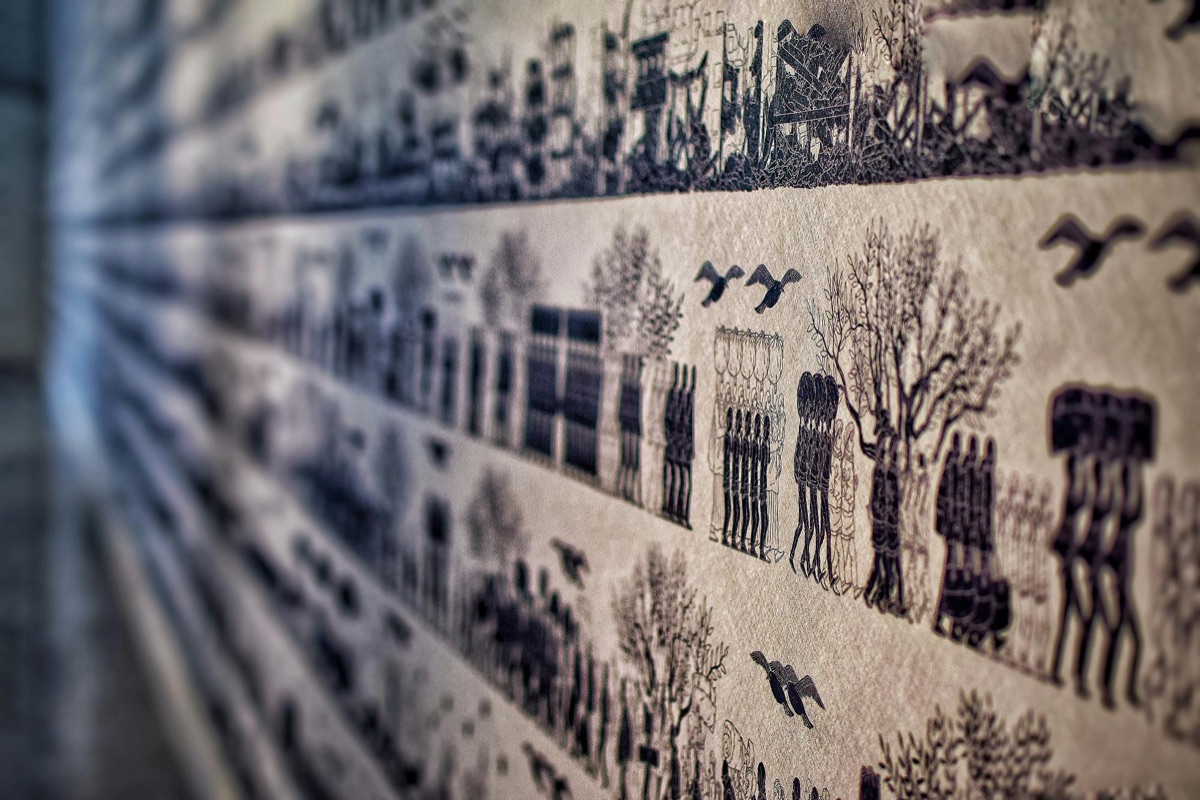
As technology advances, so too does the art of shirt prints — and that continues to inspire new ideas and techniques.
Understanding t-shirt printing techniques
The world of t-shirt printing is diverse. Each technique offers different possibilities, and knowing them helps you get high-quality results.
Screen printing is one of the oldest methods, favoured for its durability and bold colours. It uses a stencil — a screen — to push ink onto the fabric. Digital and DTF printing use computer technology to reproduce detailed, vibrant designs, which works beautifully for artwork with many colours. Heat transfer prints a design onto special paper that's then pressed onto the shirt — handy for small batches.
- Screen printing: best for bulk orders and rich, solid colours.
- Digital / DTF printing: ideal for intricate designs with no real colour limit.
- Heat transfer: great for custom, small orders.
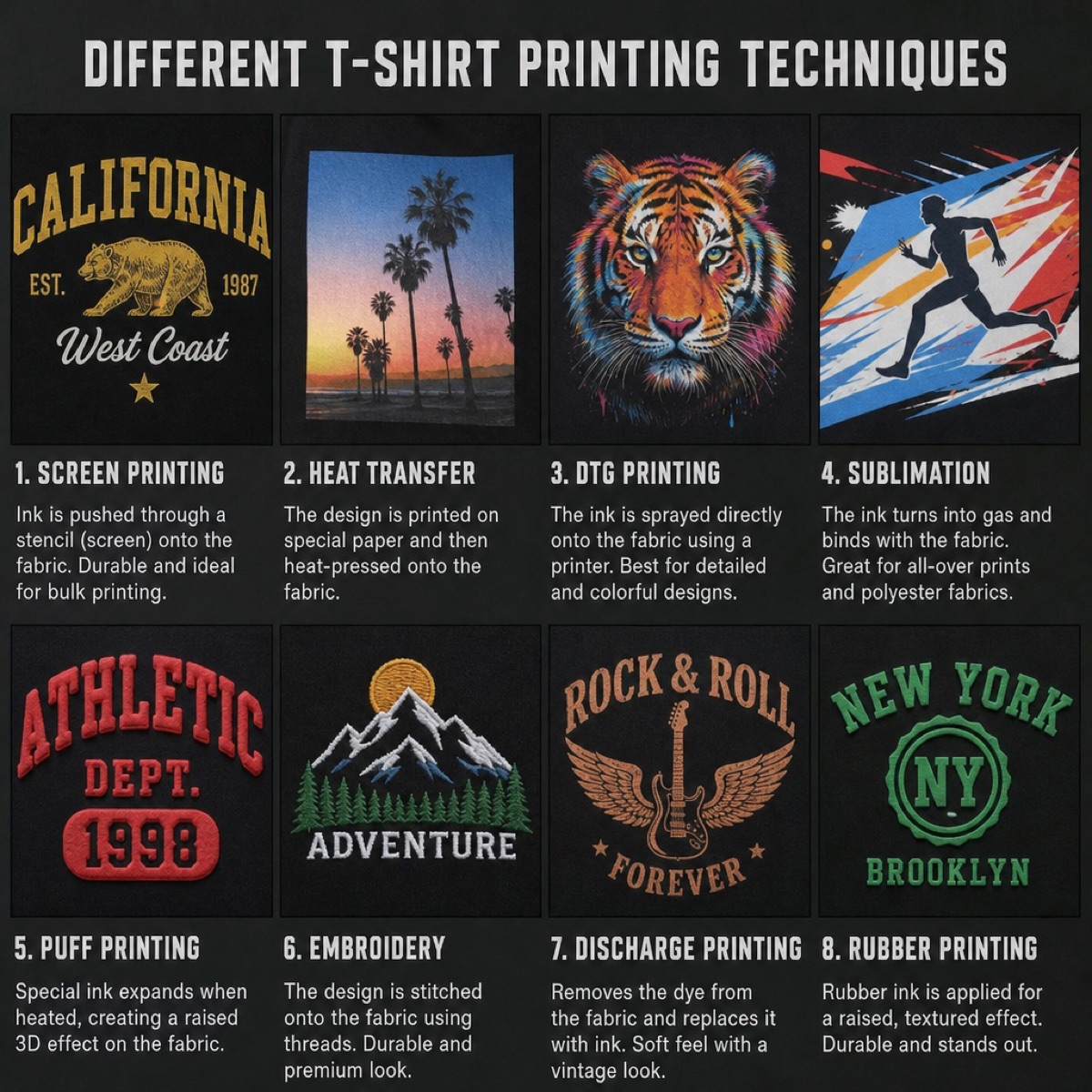
The right method depends on design complexity and order size. If you're not sure which fits your project, our DTF vs screen printing breakdown compares cost, durability, and colour side by side.
Choosing the right fabric for custom shirts
Fabric selection is crucial — it affects both print quality and how the shirt wears. Cotton is soft, breathable, and holds prints well, but it's more prone to shrinking. Polyester is durable, resists wrinkles, and dries quickly, which makes it ideal for sportswear and moisture-wicking shirts.
- Cotton: comfortable, absorbs ink easily, soft feel.
- Polyester: durable, retains shape, quick-drying.
- Blends: balance comfort and longevity, often the most cost-effective.
When you're choosing, think about the shirt's purpose and how long you want the print to last. A well-matched fabric is the foundation of a custom shirt people actually keep wearing — something we help with on every custom clothing order.
Creating unique designs: inspiration and process
Striking designs start with inspiration. Look at art, nature, and everyday life for fresh ideas — personal interests often spark the best ones. Begin by sketching concepts drawn from your hobbies or passions, then refine: choose the elements that reflect your theme but keep it original so it stands out.
Experimentation is where designs come alive. Play with shapes, patterns, and textures, and layer elements for depth. A simple, repeatable process keeps it on track:
- Research themes and trends.
- Draft initial sketches.
- Refine your chosen concept.
- Experiment with different elements.
- Use design tools for precision.

Following a structured process keeps your designs both personal and professional — aim for a balance between creativity and wearability.
Colour theory and typography in shirt design
Colour is a powerful tool — it shapes emotion and perception, so choose shades that complement your theme and appeal to your audience. Typography matters just as much: pick fonts that are readable and suit the design's style, and avoid cluttering the print.
When you combine colour and type, think about contrast and harmony. A few tips that go a long way:
- Use contrasting colours for better readability.
- Choose fonts that fit your theme.
- Limit your palette for a cohesive look.
From concept to print: using design tools
Design tools turn ideas into print-ready artwork. Professional software like Adobe Illustrator or CorelDRAW offers extensive features for detailed illustration, while beginner-friendly options like Canva simplify the process with drag-and-drop templates.
You don't need any of that to get started, though. Our free online mockup studio lets you upload a logo or photo, add text, place it exactly where you want, and preview it on a real shirt — no software, no design experience. A few habits help whichever tool you use:
- Explore various design templates.
- Take advantage of online tutorials.
- Continuously test and tweak your design.
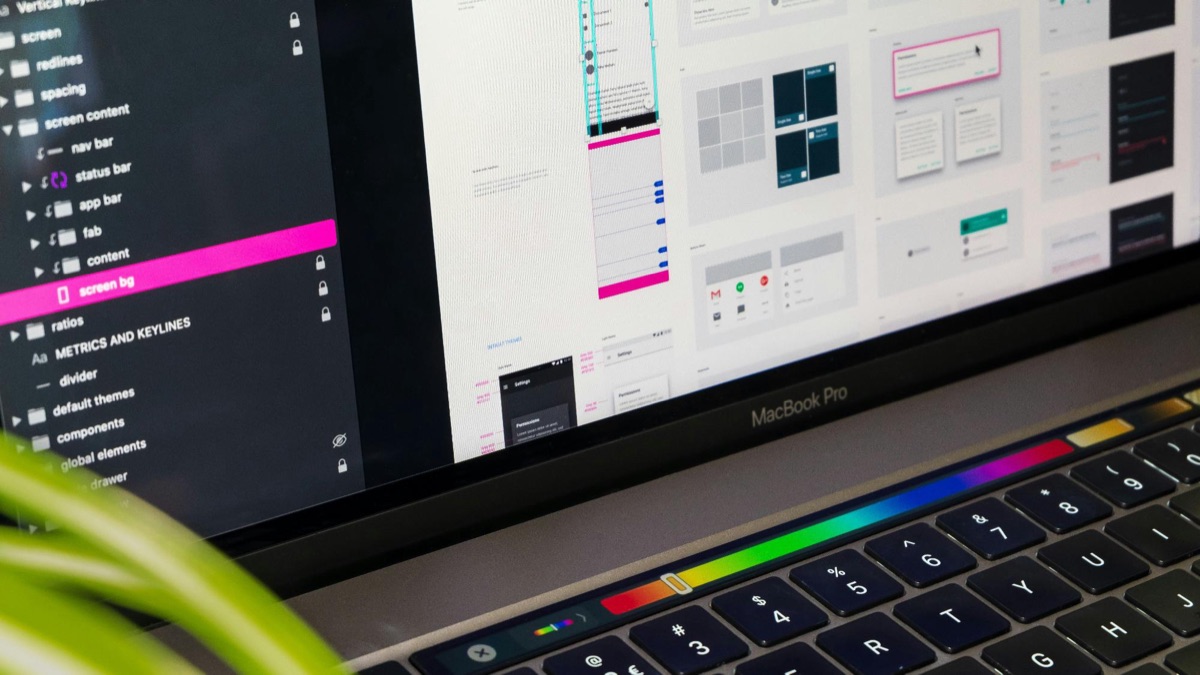
The right tools ensure your creative vision is represented accurately on the final shirt.
Selecting the best printing method
The complexity of your design usually dictates the method. Screen printing suits simpler designs and larger quantities. For intricate, vibrant prints, digital and DTF printing offer high detail and stay cost-effective on small orders. Heat transfer is versatile and works well for varied custom images. Weigh three factors:
- Design complexity
- Quantity of shirts needed
- Budget
Each method has its own strengths and trade-offs. Choosing well improves both the look and the durability of the finished shirt.
Sustainable and eco-friendly printing
Sustainability is gaining traction in t-shirt printing as more customers look for eco-friendly options — and that's pushing the industry toward greener practices. Water-based inks and organic fabrics reduce environmental harm without sacrificing quality.
- Water-based inks
- Organic cotton fabrics
- Low-waste production techniques
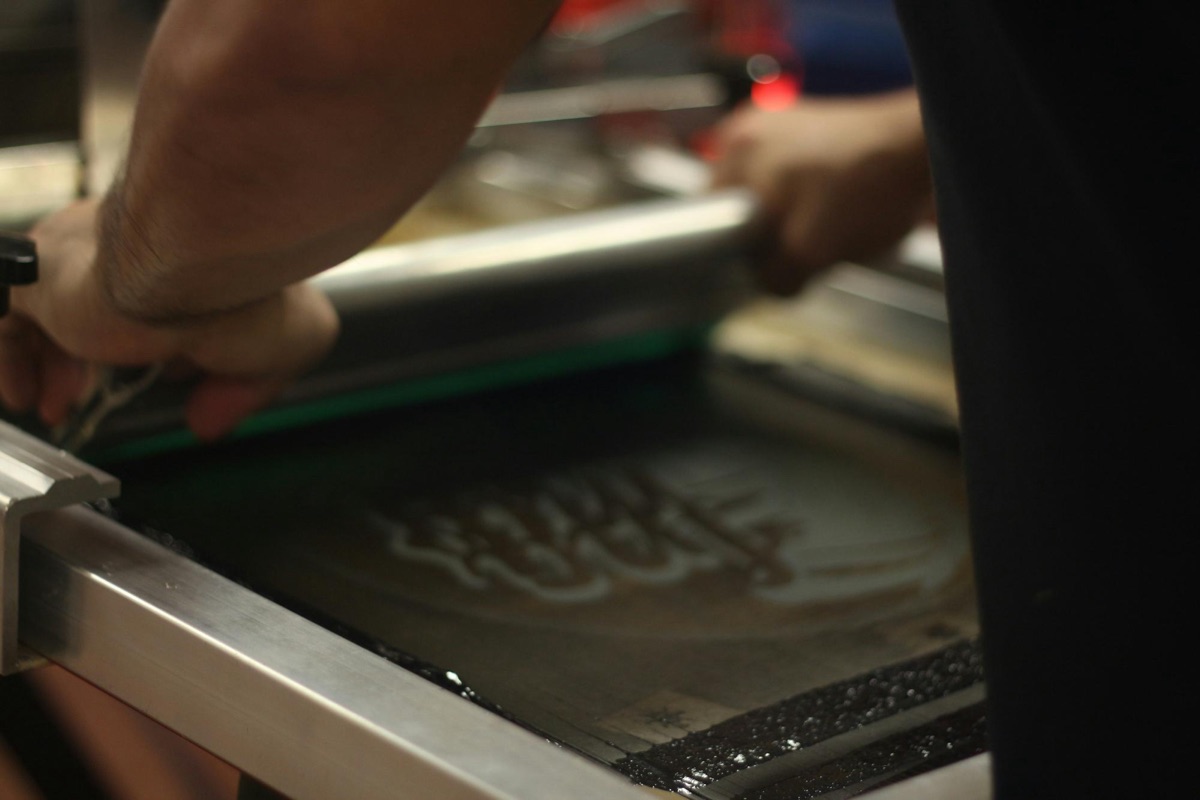
Sustainable choices don't just benefit the planet — they attract eco-conscious customers and add credibility to a brand.
Starting and growing a custom shirt business
Starting a custom shirt business takes planning. Market research helps you understand your audience and spot gaps and niches. The first moves usually look like this:
- Identifying your niche
- Selecting suitable printing methods
- Choosing reliable suppliers

A clear brand identity is key — consistency in design and values sets you apart. Marketing early through social media and collaborations drives interest, and growth comes from listening to customer feedback and refining your offering over time. If you're working on a line, our team can be your print partner from sample to full run.
Marketing and selling your shirts online
Online platforms are vital for selling custom t-shirts. Your storefront should offer a seamless, easy-to-navigate shopping experience, and social media is where visual content shines — show your designs, and engage through stories and live sessions. A few strategies to lean on:
- Use email campaigns
- Collaborate with influencers
- Employ targeted ads
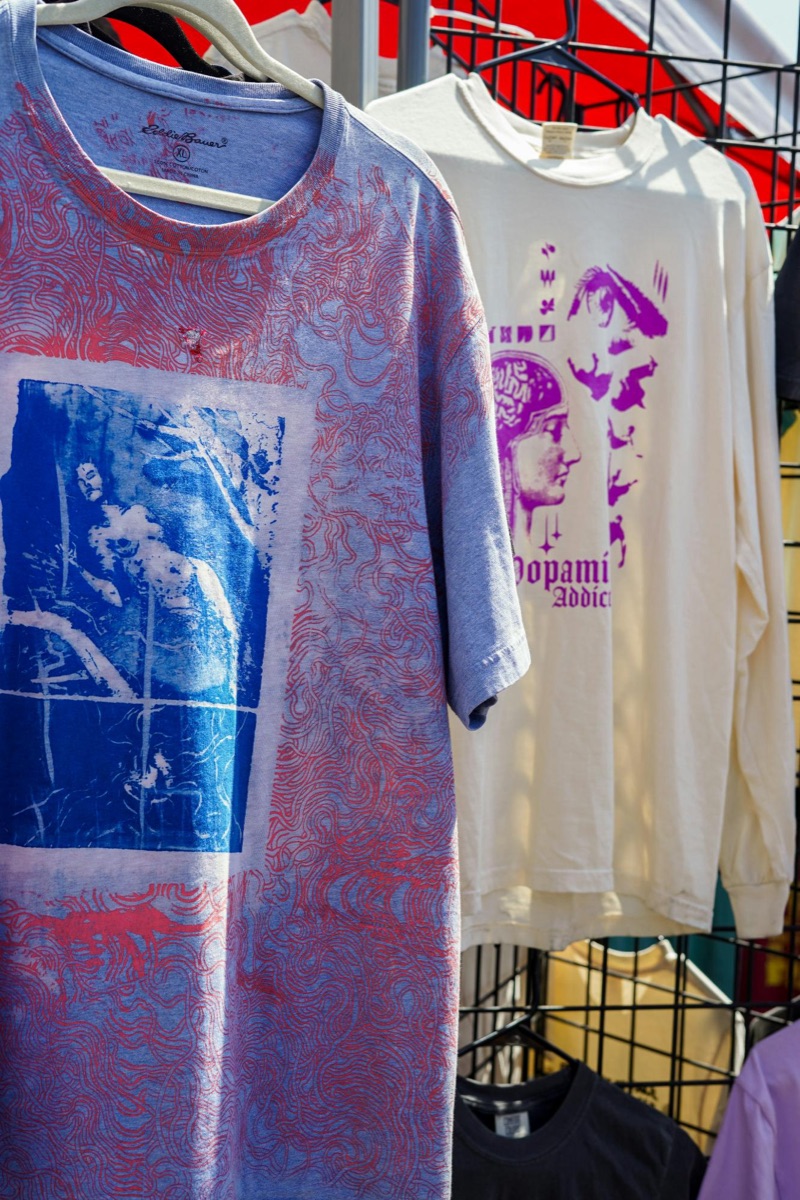
Platforms like Etsy and Shopify can boost sales with built-in inventory and payment tools, and watching your analytics tells you what customers respond to. Encourage reviews and answer questions promptly — that's how trust and repeat business get built.
Ensuring quality and customer satisfaction
Quality control makes or breaks a custom shirt brand. Every shirt should pass a thorough inspection, and print quality should be uniform across batches — good prints don't fade or crack over time. A simple QA routine keeps standards high:
- Conduct regular inspections
- Use reliable suppliers
- Offer clear communication
Gathering customer feedback is just as important — it helps you refine your process, and satisfied customers become repeat buyers.
The future of shirts and prints
The future of shirt printing is bright, with technology at the forefront. 3D printing is opening up intricate designs that weren't possible before, and augmented reality is giving brands immersive ways to let customers preview designs. The clearest trends:
- Growing use of 3D printing
- Augmented reality in shopping
- Increasing demand for personalization

Frequently asked questions
What's the best printing method for custom shirts?
It depends on your design and order size. Screen printing is best for bold, simple designs and larger quantities — it's durable and the colours pop. DTF and digital printing handle intricate, multi-colour artwork and are cost-effective for small runs. Heat transfer is great for one-offs and small custom batches. For most people designing a few shirts, DTF is the easiest way to get photo-quality detail without a minimum.
What fabric is best for custom shirt printing?
Cotton is soft, breathable, and absorbs ink well, so prints look great — but it can shrink. Polyester is durable, holds its shape, and dries fast, which makes it ideal for sportswear. Cotton-poly blends balance comfort and longevity and are usually the most cost-effective. Match the fabric to how the shirt will be worn and how long you want the print to last.
How do I design my own shirt print without design software?
You don't need Illustrator or CorelDRAW to start. Our free online mockup studio lets you upload a logo or photo, add text, pick colours, and see it on a real shirt before you order — no software and no design experience required. You can always send us a rough idea and we'll refine the artwork for print.
Is eco-friendly t-shirt printing possible?
Yes. Water-based and eco-friendly inks, organic cotton blanks, and low-waste production all reduce the environmental footprint of a custom shirt. These options are increasingly popular with customers who care about sustainability, and they don't compromise print quality.
Ready to make your mark?
Custom shirt prints are the ultimate canvas for personal style or a brand. Upload your artwork, design it your way, and see it on a real shirt — free, before you pay a cent.
Start designing free