
Cap Styles Compared: Which Hat Takes a Logo
Snapback, dad hat, trucker, five-panel or bucket. Two structural facts — stiffened front and centre seam — decide how your logo lands on every one of them.
- The decision that matters
- Structured or unstructured. A stiffened front holds a logo flat and square across a whole run; a soft front is more comfortable and can pucker under dense stitching.
- Second: the front seam
- Six-panel caps have a seam up the centre front. Five-panels and truckers do not. A wide, symmetrical or text-based logo looks visibly better on a seamless panel.
- What we stock
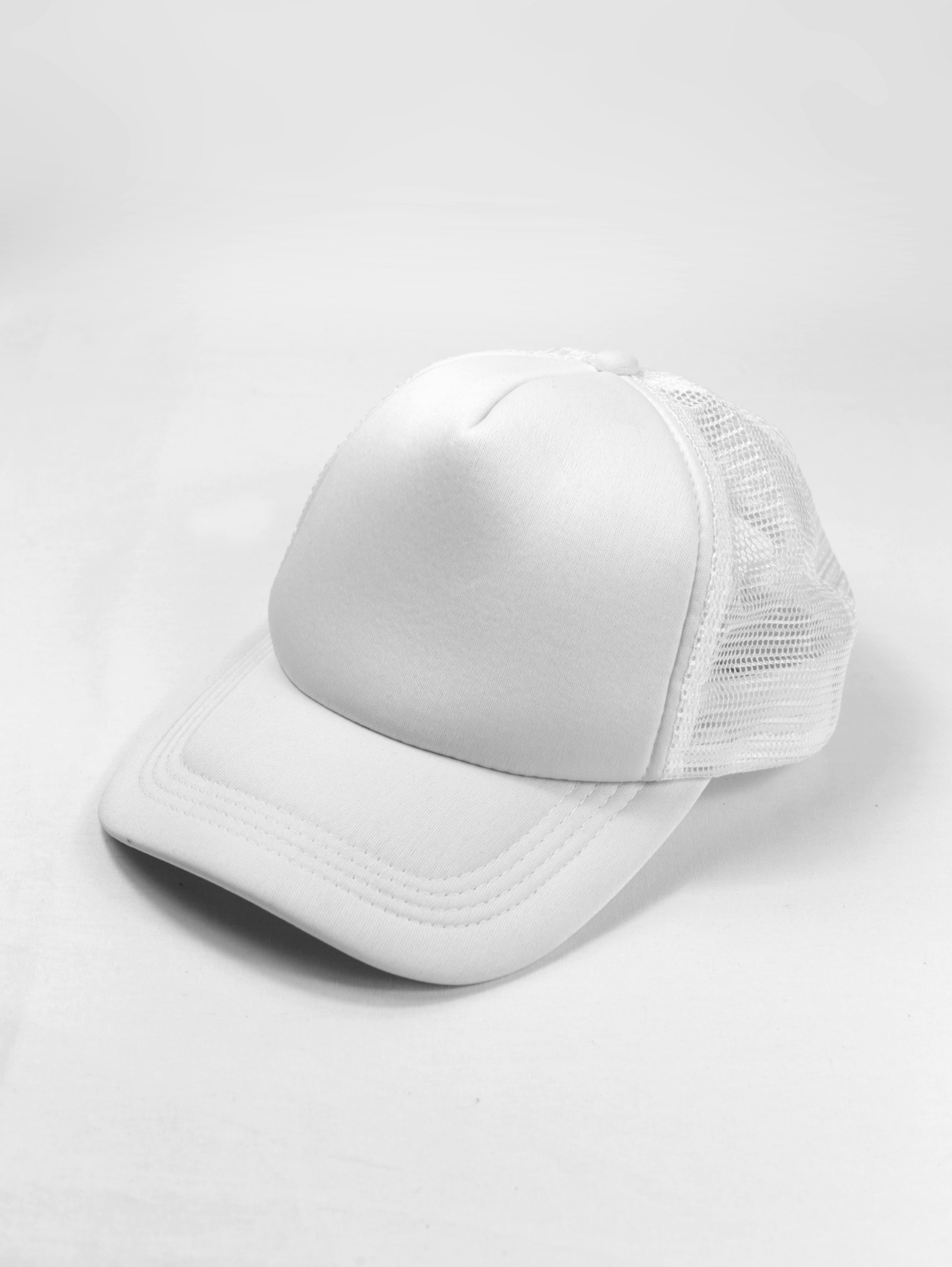
- The Yupoong / Flexfit YP Classics 6506 trucker — structured, seamless front, mesh back, adjustable snapback. Every other style here is available but quoted per order.
- Bucket hats have no front panel
- The logo goes on the side of the crown, which is a smaller and differently shaped area. Plan a compact mark rather than a wide one.
- Volume pricing
- Large orders get volume pricing. In the online design studio the per-piece price drops at 12, 24, 50 and 100 pieces, and every colour of the same garment in one order counts toward the same price break.
- A person checks your file
- Every order is reviewed by a human designer before it goes to press. A person checks artwork resolution, colour, sizing and placement, and either fixes the file or tells the customer what is wrong — it is not an automated preflight.
Two questions decide everything else
Hat styles are usually described by how they look. For a custom order, two structural facts matter far more than the silhouette.
One: is the front structured or soft?A structured cap has a stiffener — typically buckram — behind the front panel. It stands up off the head and gives the embroidery machine something firm to work against, so a logo lands flat and identical across fifty hats. A soft cap has nothing behind the panel: more comfortable, more casual, and dense stitching can pucker the fabric because there is nothing holding it steady.
Two: is there a seam up the middle?Six-panel caps have one running across the forehead. Embroidery can cross it, but stitches sit slightly differently either side, and a wide or symmetrical logo — especially one with text — will show it. Five-panels and truckers have a single seamless front.
Answer those two and the style list below mostly sorts itself.
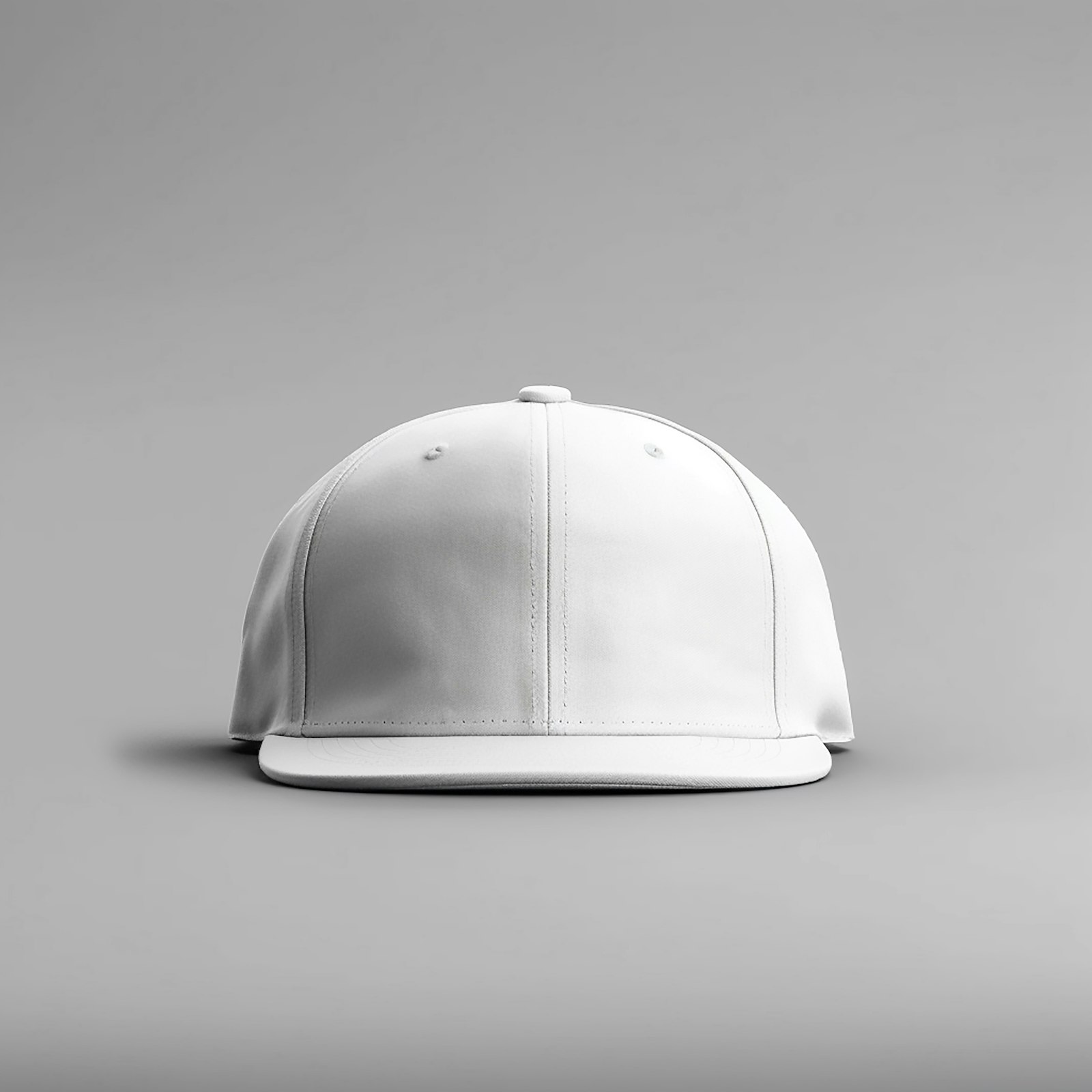
The styles, side by side
| Style | Front | Best for | Watch out for |
|---|---|---|---|
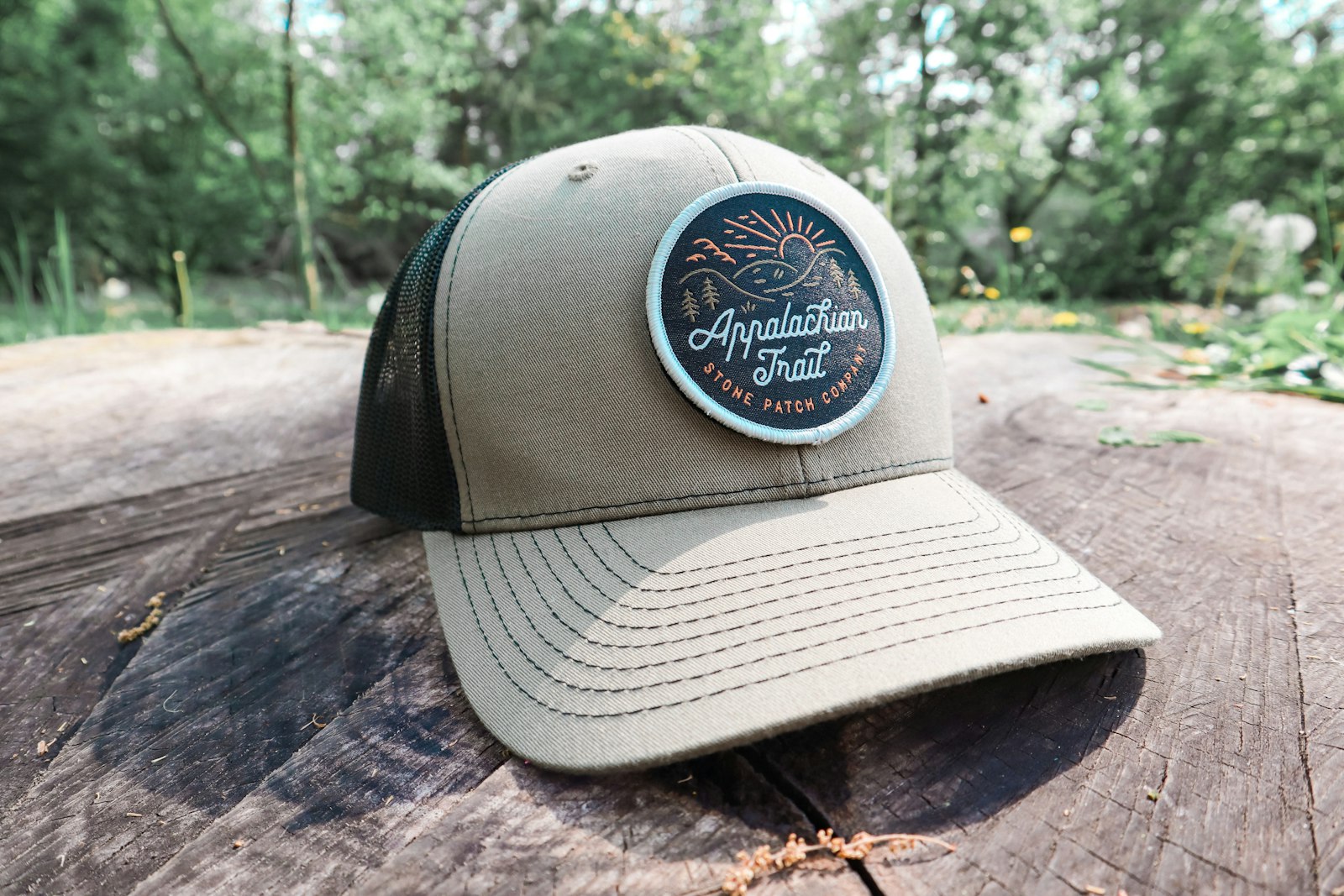
| Trucker | Structured, seamless | Logos of any width; summer wear; patches | Mesh back will not take dense stitching |
| Snapback | Structured, usually seamed | Tall logos; a bold retail look | Centre seam under symmetrical marks |
| Dad hat | Unstructured, low | Retail-feel merch; small marks | Dense stitching can pucker |
| Five-panel | Soft, flat, seamless | Outdoor brands; wide marks | Softer panel limits stitch density |
| Bucket hat | No front panel | Festivals, summer events, youth | Logo must suit a narrow side area |
We stock the trucker— the Yupoong / Flexfit 6506 — which is why it is the style you can build and price yourself online. Everything else on that table is available and quoted: we source the blank for your order rather than holding it.
Snapback or dad hat: the two people actually argue about
These two sit at opposite ends and the choice is usually about audience rather than logo.
A snapbackis structured with a high crown and a flat brim. It is the loudest cap shape — it reads as streetwear and it gives you the most vertical room, so a tall logo or a stacked two-line lockup fits where it would not elsewhere. It is also the shape a certain audience will refuse to wear.
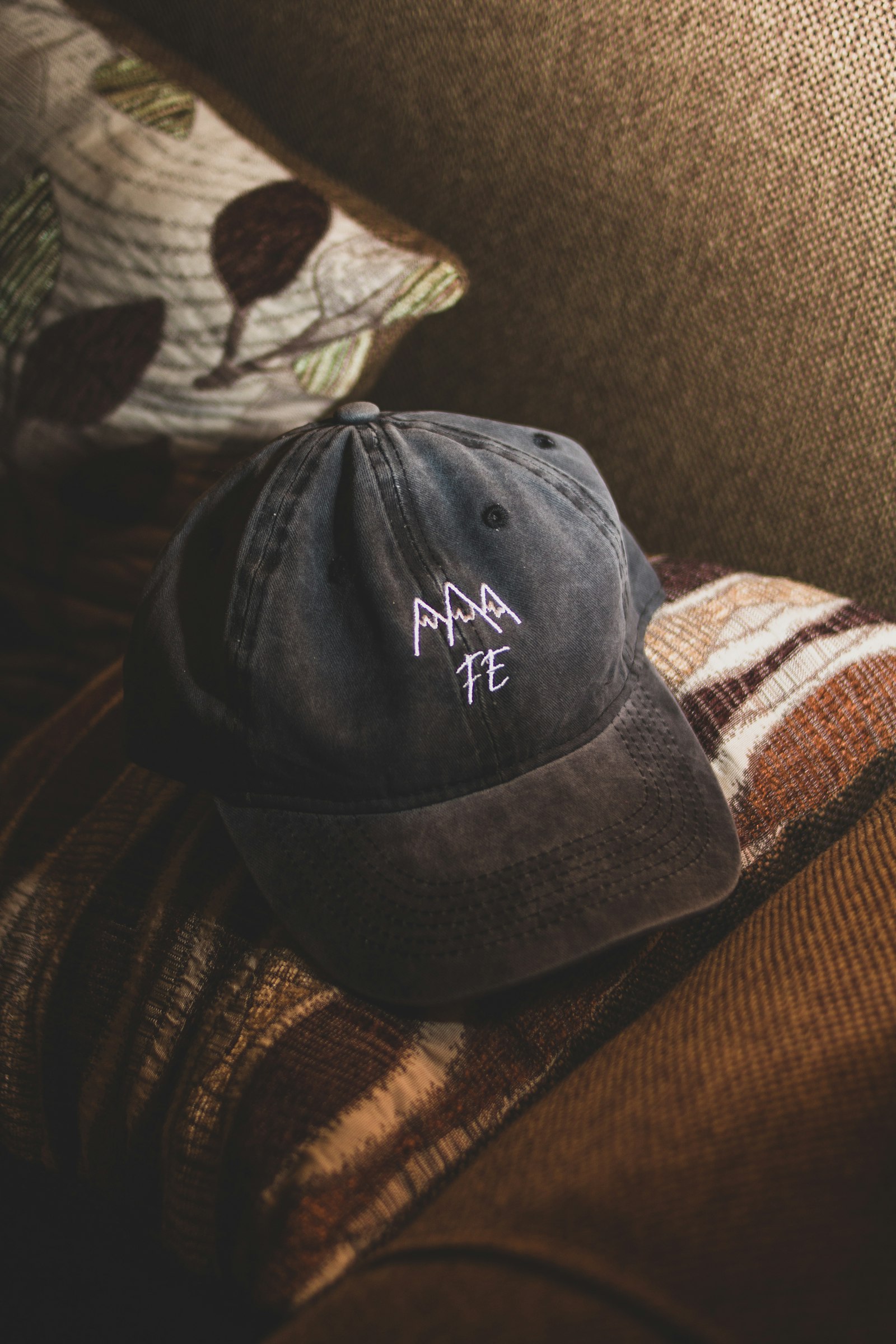
A dad hat is an unstructured, low-profile baseball cap with a curved brim and a soft front. It is the default for retail-feel merch because it looks worn-in immediately. The constraint is decoration: with no stiffener behind the panel, a large dense logo can pull the fabric. Designs for dad hats want to be small and light — a compact icon or a short wordmark rather than a full-panel crest.

Bucket hats and five-panels: different canvases entirely
A bucket hat has no front panel. The decoration area is the side of the crown, which is shorter and runs around a curve, so the logo has to be compact and horizontal rather than tall. Marks that work on a cap front often need redrawing for a bucket hat rather than just resizing.
Bucket hats have a specific audience — festivals, summer events, youth programmes, anything outdoors in July — and they are a poor choice for a corporate uniform. If you want one item that works for both a trade show and a job site, a cap is the safer buy.
A five-panel sits between the families: a soft crown with a flat, seamless front panel. It gives you the wide uninterrupted canvas of a trucker with the casual feel of a dad hat, at the cost of some stitch density. Outdoor and apparel brands favour it for exactly that mix.
Choosing by the job, not the look
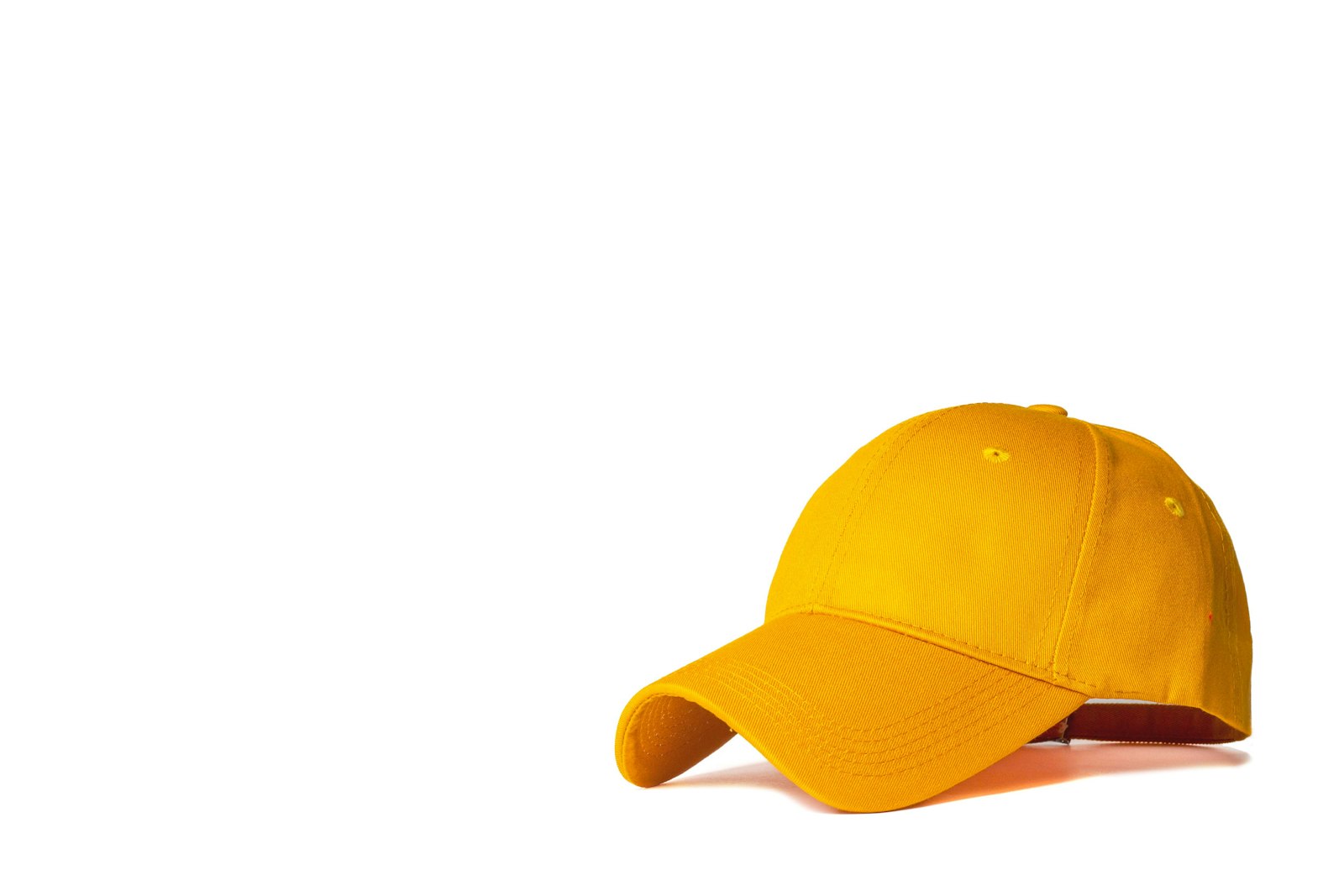
If you would rather work backwards from the use, this is how it usually falls out:
- Uniform for a crew or a site. Structured trucker. Durable, cool, consistent, and one size removes the fit problem. Pairs with workwear.
- Merch you intend to sell. Dad hat or five-panel, with a small, confident mark.
- Tall or stacked logo. Snapback, for the crown height.
- Detailed logo you refuse to simplify. Any structured cap plus a patch, made flat where the detail survives.
- Summer event or festival. Bucket hat, with the design redrawn for the side.
- Winter. Not a cap at all — see custom toques.
Whichever you land on, the embroidery rules do not change: below roughly a quarter inch stitched letters fill in, so the tagline is usually the first thing to go. Our custom hats guide covers decoration, placement and cost across every style, and you can place your logo on a real cap in the free studio to see the scale for yourself before committing.
Frequently asked questions
What is the difference between a snapback and a dad hat?
Structure and profile. A snapback is structured with a high crown and a flat brim, which gives you the most vertical room for a tall logo and reads as streetwear. A dad hat is unstructured and low-profile with a curved brim, more comfortable and more casual, but with no stiffener behind the panel it wants a smaller, lighter design or the stitching can pull the fabric.
Which cap style is easiest to put a logo on?
A structured trucker. The front is stiffened so the panel does not move under the needle, and it is a single seamless piece, so there is no centre seam for a wide or symmetrical logo to straddle. That combination is why the trucker is the blank we stock and the one most decorators steer people toward.
Can you put a logo on a bucket hat?
Yes, but the canvas is different. A bucket hat has no front panel — the decoration goes on the side of the crown, which is shorter and curves around the head. Compact, horizontal marks work; tall ones do not, and a logo designed for a cap front often needs redrawing rather than just resizing.
Do you stock all of these styles?
No, and it is worth being clear. We hold the Yupoong / Flexfit 6506 trucker, which is why that is the one you can build and price yourself online. Dad hats, snapbacks, five-panels and bucket hats are all available, but they are quoted — we source the blank for the order rather than keeping it on the shelf.
Does the front seam really show through embroidery?
On the wrong logo, yes. Stitches sit fractionally differently either side of a seam, so a round badge hides it and a wide wordmark with straight vertical strokes does not. If your mark is symmetrical or contains centred text, a seamless front panel is worth choosing deliberately rather than by accident.
Is a flat brim or a curved brim better for custom work?
Neither decorates better — it is an audience decision. Flat brims read as newer and streetwear-adjacent, curved brims as classic and workwear-adjacent. The one practical difference is crown height: flat-brim snapbacks usually have taller crowns, which gives a tall logo more room on the front panel.
What if my logo is too detailed for any cap?
Use a patch. Patches are made flat, so fine linework, small type and engraved or debossed detail survive in a way they cannot on a curved, stiffened crown. The patch is then applied to the cap of your choice. It is a separate product with its own backings, and for headwear that gets real wear it should be sewn rather than ironed on.
Design it yourself. A human designer still checks every order.
Our free studio gives you the price and the mockup in the browser. What it doesn't do is print your file blindly — every order is reviewed by a real designer before it reaches the press.
- Step 1You design it — free
Upload your logo, drop it on a real garment, set the size and placement, pick colours and quantities. No account, no deposit, no waiting on a reply.
- Step 2A human designer checks it
Before anything prints, one of our designers opens your file and checks resolution, colours, sizing and placement. If it won't print well, we fix it or tell you exactly what's wrong — a person, not an automated preflight.
- Step 3You approve, then we print
You get the corrected mockup back on the actual product. Nothing goes to press until you say yes — then it's ready in 1–2 weeks, or in 1–3 business days with a rush.
See your logo at cap scale
The quickest way to settle a style argument is to look at the mark at real size. Place your logo on a real cap in the free studio — no account, no deposit — and a designer reviews the file before anything is stitched.
Every order is reviewed by a human designer before it goes to press. A person checks artwork resolution, colour, sizing and placement, and either fixes the file or tells the customer what is wrong — it is not an automated preflight.