
Are Flyers Still Worth It in 2026? An Honest Look at Flyer Marketing
Are flyers still worth it in 2026? Yes — for targeted local campaigns. We break down real flyer response rates, 2026 Ottawa print and Canada Post delivery costs, and how to track a flyer drop so it actually pays.
Last spring a Barrhaven pizza shop owner sat in our shop convinced flyers were dead. His nephew had told him nobody reads paper anymore — spend it all on Instagram. We printed him 2,500 flyers with a coupon code, he dropped them into three specific postal walks around his store, and eleven days later he came back grinning: the code had been redeemed 47 times, at an average ticket of $34. That's a lot of pizza for a job that cost him under $600 all in.
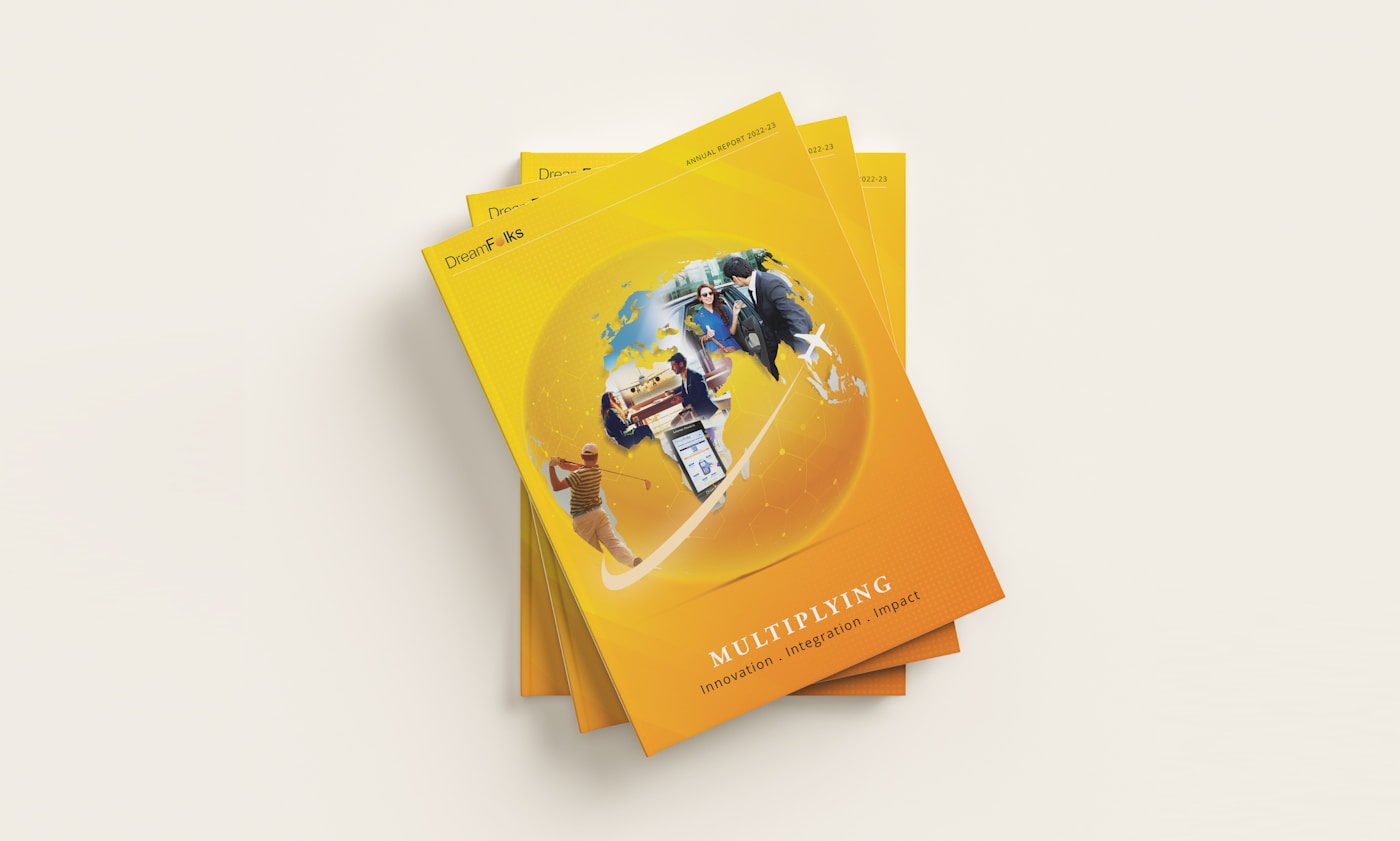
So — are flyers still worth it in 2026? The honest answer is yes, but not the way most people imagine. A flyer taped to a pole in the ByWard Market and forgotten is dead. A targeted, well-designed, trackable flyer dropped to the right 3,000 households is one of the cheapest customer-acquisition tools a local business has. This is an honest look at flyer marketing — real response-rate data, real Ottawa costs, and where the whole thing goes wrong.
We print flyers here every week for restaurants, gyms, contractors, real-estate agents and churches, so this isn't theory. Here's what actually moves the needle.
Do flyers still work in 2026? What the data says
Let's start with the numbers, because “flyers just go in the recycling” is the objection we hear most and the data pushes back on it. Roughly 90% of flyers get looked at, at least briefly, versus 20–30% of marketing emails that even get opened. Printed flyer response rates average about 4.4% compared with 1.1% for digital marketing, and direct mail overall — flyers included — averages around a 29% return on investment. Surveys put flyer use at about 78% of small businesses, and 62% of them say flyer campaigns bring in new customers.
A flyer, by the way, is just a single-sheet printed leaflet handed out, posted, or mailed to promote something — see the flyer (definition and history) if you want the full background. The medium is old, but that's the point: it doesn't need a login, a battery, or an algorithm to reach someone.
Now the reality check. The averages above are the good outcomes. Raw response for a typical flyer campaign sits at 1–5% — that's 10–50 responses per 1,000 flyers. For a cold, untargeted blanket drop, plan on the 1–2% end. That gap between “4.4% average” and “1% cold drop” is entirely explained by targeting, offer and design, which is what the rest of this article is about.
Four ways to actually get flyers into hands
“Distribute flyers” can mean four very different things, and they don't cost or perform the same:
- Door-to-door / letterbox: a crew walks a neighbourhood and puts a flyer in every mailbox or door. Cheap per piece, but response leans to the low end because it's untargeted and some people bin it on sight.
- Hand-to-hand (handout): handing flyers to people at events, markets, on a busy sidewalk, or tucked into every takeout bag. Slower, but far higher engagement because there's a human moment attached.
- Static placement: stacks left on counters, community boards, gym lobbies, coffee shops. Nearly free, and works well when the venue matches your customer.
- Addressed and unaddressed mail: Canada Post delivers them for you, either to named households (addressed) or to every address on a chosen route (unaddressed Neighbourhood Mail). This is the most scalable and the most targetable.
For most Ottawa small businesses, the winning combo is unaddressed mail for reach plus a stack of the same flyer at the counter and in every bag. You're already paying to print them — use them everywhere.
The real economics: print plus delivery
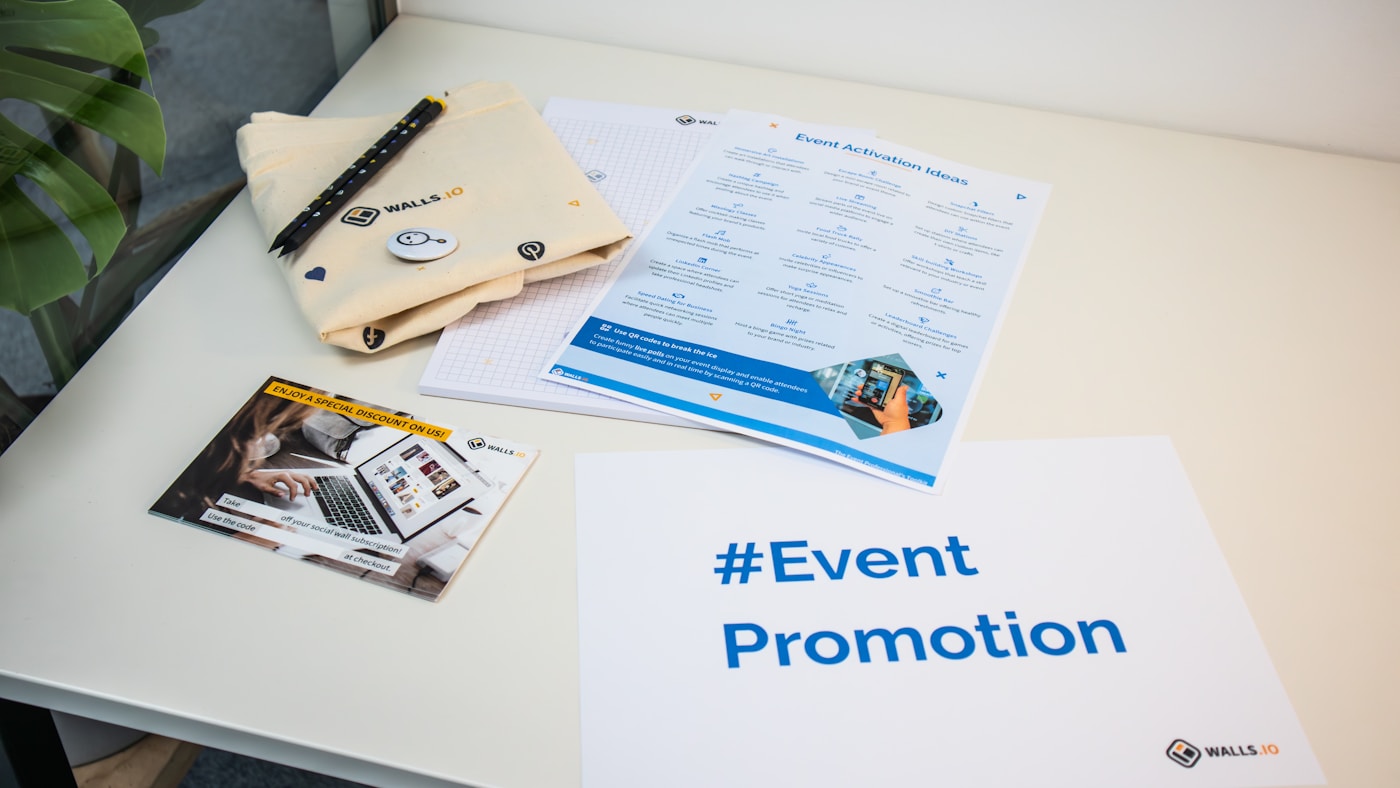
This is where flyers quietly beat digital ads, and it's the strongest case for whether flyers are still worth it in 2026. A flyer is a one-time production cost. There's no ongoing bidding, no auction, no monthly ad spend that stops the moment you stop paying. Here's what the two halves — printing and delivery — actually run in 2026 CAD:
| Quantity (8.5×11) | Per flyer (print) | Print total |
|---|---|---|
| 250 | ~40–60¢ | $100–$150 |
| 500 | ~11¢ | ~$55–$75 |
| 1,000 | ~7–9¢ | $65–$95 |
| 2,500 | ~6¢ | ~$150 |
| 5,000 | under 5¢ | ~$240 |
Going from 500 to 5,000 units drops the per-flyer print cost by roughly 55% — bulk is where flyers get genuinely cheap. Then add delivery. Canada Post Canada Post Neighbourhood Mail (the unaddressed program) runs about $0.200 per standard piece and $0.220 per oversized piece in 2026, each including a $0.013 transportation fee. Small-business accounts start around a 5% discount and heavy mailers can save up to about 40%.
Stack the two together and you're looking at roughly 25–30 cents to print and deliver one flyer to a specific, chosen local household — a one-time cost with no recurring ad bidding behind it. That's the number to hold in your head when a rep tells you paper is dead.
Sizes, weight and the Canada Post rules
Size matters for two reasons: it drives your print cost and it decides which Canada Post rate you pay. Common flyer sizes are Letter (8.5×11 in / 216×279 mm), A4 (210×297 mm), A5 (148×210 mm) and half-letter (5.5×8.5 in) — see standard paper sizes for the full chart. The one spec to memorize: Canada Post standard Neighbourhood Mail tops out at 6×12 inches and 50 g. Go bigger or heavier and you're paying the oversized rate.
In practice, a half-letter or a folded 8.5×11 on a lighter text stock keeps you in the standard rate and cuts postage across thousands of pieces. If you want to go deeper on stock weights and which size gets read, we broke that down in our flyer printing sizes and paper guide. And if your campaign is really a poster or window sign in disguise, the standard poster sizes in Canada guide covers the larger formats.
Why flyers fail — and how to make yours land
When a flyer campaign flops, it's almost never because “flyers don't work.” It's one of these:
- No targeting. A blanket city-wide drop wastes most of the run. Use Neighbourhood Mail's postal-code, income and building-type filters to hit only households that fit your customer.
- No offer. “We exist” is not a reason to call. A dated coupon, a first-visit discount, or a limited-time deal is what converts a glance into a customer.
- No tracking. If you can't measure it, you can't improve it. A promo code, QR code, or dedicated landing page tells you exactly what worked.
- One-and-done. A single drop rarely beats repeated drops to the same targeted area. Frequency builds recognition; the third flyer often outperforms the first.
- Weak design. Cramped, cluttered flyers get binned in a second. One clear headline, one offer, one call to action.
To work out how many flyers you need, run it backward from response rate. At 2% response, 5,000 flyers is about 100 leads; convert a third of those and that's ~33 new customers. If your average customer is worth $50, that campaign paid for itself several times over. That's the flyer marketing ROI math in one line — and it's why we still recommend flyers to the right businesses in 2026.
You can design your piece with us free before you commit to a run — start in our online flyer designer or hand us a rough idea and we'll lay it out. Either way you see a proof before you pay, and you can order the full run from our flyer printing page.
The verdict: are flyers still worth it?
Yes — with conditions. Flyers are still worth it in 2026 for local businesses, events and time-limited offers, when they're targeted, well-designed and tracked. They are not a magic money printer, and a lazy blanket drop with no offer will disappoint you. But at roughly a quarter to reach a chosen household, with no ongoing ad spend and a response rate that routinely beats cold email, a flyer campaign is one of the best-value marketing tools a small Ottawa business has. Print smart, target tight, track everything, and paper still pays.
Frequently asked questions
Are flyers still worth it in 2026?
Yes — for local, targeted campaigns. Around 90% of flyers get looked at versus 20–30% of marketing emails, printed flyer response rates average about 4.4% against 1.1% for digital, and direct mail (flyers included) averages roughly a 29% ROI. The honest caveat: raw response is usually 1–5%, or about 10–50 responses per 1,000 flyers, so the result depends entirely on who you hand them to and whether there's a clear reason to act.
What is the average response rate for flyers?
Industry averages land at roughly 1–5%, meaning 10–50 responses per 1,000 flyers. One widely quoted figure puts printed flyer response at 4.4% against 1.1% for digital marketing. For a cold, untargeted door drop we tell Ottawa clients to plan on the 1–2% low end and treat anything above that as a win — a good offer and a tight distribution zone are what push the number up.
How much does it cost to print flyers in Ottawa in 2026?
Bulk 8.5×11 flyers run roughly $65–$95 CAD per 1,000 at online wholesale rates, and per-unit cost drops fast with volume — about 11 cents each at 500 units falls to under 5 cents each at 5,000. Full-colour 8.5×11 flyers on 100lb gloss text sit around 40–60 cents each at 250 copies and under 20 cents each once you're into the thousands. Cheap short runs typically fall between $30 and $150 depending on size, stock, quantity and turnaround.
How much does Canada Post charge to deliver flyers?
Canada Post Neighbourhood Mail (unaddressed) 2026 rates are about $0.200 per standard piece and $0.220 per oversized piece, each including a $0.013 transportation fee. The standard size maximum is 6×12 inches at up to 50 g. Small-business discounts start around 5%, and heavy mailers can save up to roughly 40%. You can target delivery by postal code, income and building type, so you're not paying to reach households that will never buy.
How do I track whether my flyers are working?
Put a trackable call to action on every flyer: a unique promo or coupon code, a dedicated QR code or short URL, or a campaign-specific phone number or landing page. Because Canada Post Neighbourhood Mail lets you split delivery by postal walk, you can run different codes in different zones and see which neighbourhoods actually respond — then reprint into the winners instead of guessing.
Planning a flyer drop in Ottawa?
Tell us your offer and roughly how many households you want to reach. We'll send back a design mockup and a flat quote covering print and Canada Post delivery — no ongoing ad bidding, just a number.
Get a flyer quote