
Do Vehicle Wraps Ruin Your Paint? 7 Wrap Myths, Answered
Do vehicle wraps ruin your paint? In nearly every case, no — a quality cast-vinyl wrap on healthy factory paint actually protects it. We bust the 7 biggest wrap myths, from paint damage and resale value to DIY removal, from our Ottawa shop.
A few winters back a nervous first-time customer sat in our Ottawa shop before signing off on a colour-change wrap for his leased Audi. His actual question wasn't about colour or price — it was the one we hear most: do vehicle wraps ruin your paint? He'd read a horror story online about a wrap that peeled clear coat off a car when it came off, and he was ready to walk away from the whole idea.
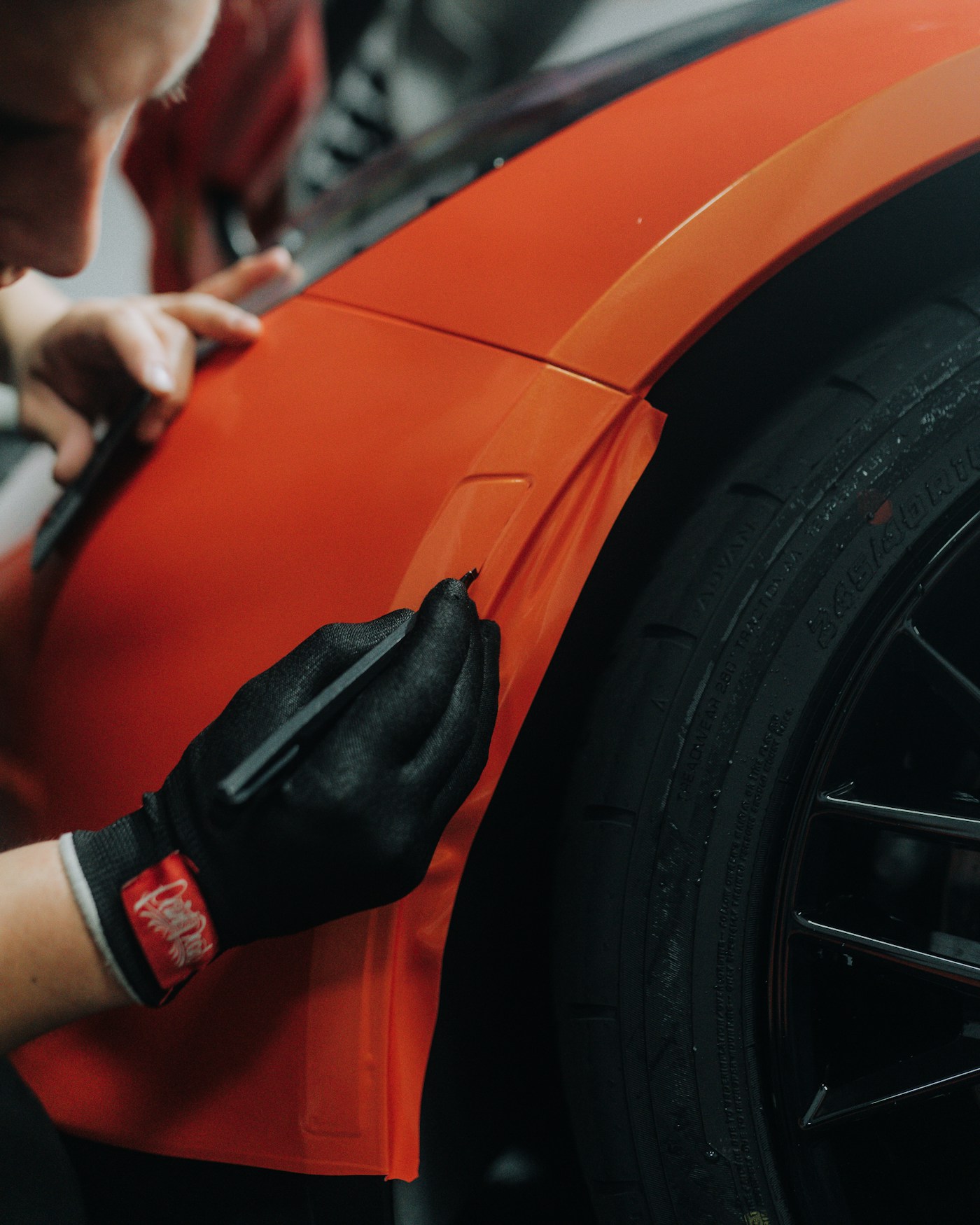
We wrapped that car, and three years later he brought it back so we could remove the film before the lease return. The factory paint came out looking better than the unwrapped cars parked next to it — no fading, no stone chips, no swirl marks. That's the story nobody posts online, so let's clear the air. Do vehicle wraps damage paint? In almost every real-world case, no — and this article busts the seven myths that keep good customers up at night.
We run wraps out of Ottawa every week, on everything from single work vans to full fleets. Below is the honest version of what actually damages paint, what protects it, and where the scary stories really come from.
Myth 1: Vehicle wraps ruin your paint
This is the big one, so let's take it head-on. A quality cast-vinyl wrap, applied over healthy factory paint and removed correctly, does not damage paint. The whole system is engineered around that promise. Manufacturer films use a removable, pressure-activated adhesive — it grips hard once you squeegee it down, but releases cleanly with gentle heat.
Read the spec sheet for the 3M Wrap Film Series 2080 (manufacturer product page) and you'll see it plainly: a dual-cast 3.5-mil film with an adhesive designed to remove cleanly within the warranty period. So when people ask us "does a car wrap damage paint," the honest answer is that the film itself is built to be paint-safe. The variables that cause damage are the installer, the material grade, and how long the film is left on — not the concept of wrapping.
Myth 2: A wrap will always tear paint off when removed
Removal is where the internet horror stories live, but they almost always share the same three ingredients: cheap vinyl, film left on years past its warranty, or a botched DIY peel. Quality film removed by a professional within its warranty window comes off in clean sheets. The mechanism is well documented — even the neutral Vehicle wrap (definition and how cast vinyl works) reference describes cast vinyl's repositionable adhesive and its ability to leave the original finish intact.
Where it goes wrong: someone leaves a bargain wrap baking in the sun for eight years until the adhesive cures rock-hard, then tries to scrape it off with a metal blade in a cold garage. That can absolutely lift clear coat. A professional removal — done warm, with heat and plastic tools, before the warranty runs out — avoids the whole problem. Skipping that can cost $700–$1,000 in paint correction, which is why we always recommend booking removal rather than winging it.
Myth 3: You can wrap over damaged or peeling paint
This one runs in the opposite direction — people assume a wrap will hide bad paint. It won't, and trying is where real damage starts. Vinyl needs a flat, clean, sound surface to bond to. If it bonds to peeling clear coat, chips, or rust, it grabs that failing paint and takes it with the film when it's removed.
This is exactly why we inspect every panel before quoting. If the clear coat is lifting or there's rust bubbling under the door, that has to be repaired first. A wrap is a finish, not a band-aid. The good news: on a vehicle with sound factory paint, the film sits on top and protects it — which brings us to the myths worth getting excited about.
Myth 4: Wraps offer no real protection
Plenty of people assume a wrap is purely cosmetic. In practice it's a sacrificial layer. Once it's applied to healthy paint, the vinyl takes the UV, the minor scratches, the stone chips off the 417, and the road film — instead of your clear coat. In Ottawa that matters more than most places: our paint fights brutal summer UV and then months of winter road salt. A wrap shields the factory finish through both.
We've pulled wraps off three- and four-year-old vehicles where the wrapped panels looked showroom-fresh while the un-wrapped bumper plastics had faded. So no — a wrap isn't just paint that peels. On sound paint, it's cheap insurance for the finish underneath.
Myth 5: Wrapping tanks your resale value
The fear is that a buyer sees "it was wrapped" and assumes something's being hidden. Done right, the opposite is true. A wrap over healthy factory paint, removed correctly before sale, hands the next owner the original finish that buyers actually want — and that finish has been shielded from UV, chips, and salt the entire time. The panels under the wrap are usually in better shape than an equivalent unwrapped car.
The only way wrapping hurts resale is the myth-2 scenario: cheap film left on too long and yanked off carelessly. If you're wrapping a lease or a car you plan to sell, tell your installer up front so they build the removal into the plan. Curious how wrap pricing itself breaks down? Our Ottawa vehicle wrap cost guide covers full and partial pricing by vehicle type.
Myth 6: All vinyl is the same, so cheap is fine
This is the myth that causes the most actual paint damage. Low-quality vinyl and poor installation are the leading reasons wraps go bad — it bubbles, lifts, fades fast, and bakes adhesive onto the paint. Premium cast films are a different animal. The Avery Dennison Supreme Wrapping Film SW900 is a dual-layer super-cast vinyl rated for durability up to 12 years across 140+ colours, engineered to conform to curves and remove cleanly.
Here's how the two categories stack up on the things that decide whether your paint stays safe:
| Factor | Premium cast (3M 2080 / Avery SW900) | Cheap calendar / import vinyl |
|---|---|---|
| Construction | Dual-cast, ~3.5-mil, conformable | Thicker, stiffer, resists curves |
| Rated lifespan | 5–7 yrs (2080) up to 12 yrs (SW900) | 1–3 yrs before lifting / fading |
| Adhesive | Removable, pressure-activated | Can bake onto paint over time |
| Clean removal | Peels cleanly within warranty | Tears, leaves residue, risks clear coat |
| Paint risk | Very low on sound paint | High if left past its life |
When someone quotes a full wrap for a fraction of everyone else's price, this table is usually the reason. The savings up front become a paint-correction bill later.
Myth 7: Wraps are maintenance-free (and car washes are fine)
A wrap isn't fragile, but it isn't bulletproof either — and this is the myth that quietly shortens a wrap's life. Automatic car washes with spinning brushes lift edges over time, and harsh chemicals dull the finish. Matte and satin films are the touchiest: they show marks and adhesive residue more readily than gloss, so they want gentle hand washing and matte-safe products.
The care routine is simple. Hand wash every couple of weeks, use touchless washes instead of brush tunnels, keep pressure washers at a distance, and skip the abrasive polishes. Do that and a quality wrap easily reaches its rated 5–7 years, protecting the paint the whole time. Neglect it and you're back to the removal problems from Myth 2.
So do vehicle wraps damage paint? The bottom line
Put the seven myths together and a clear pattern emerges. Wraps don't damage paint — installers, materials, and timing do. A premium cast film, installed on sound factory paint by a real shop and removed before its warranty expires, protects your finish rather than harming it. Every genuine damage story we've ever untangled came down to cheap vinyl, pre-existing paint problems, film left on for a decade, or a DIY removal gone wrong.
If you're weighing a wrap against other branding options for a work vehicle, our guide on wraps vs decals vs lettering breaks down the trade-offs, and you can spec a full colour-change design in our vehicle wraps service or start a concept in the mockup creator.
Frequently asked questions
Do vehicle wraps ruin your paint?
No, in nearly all cases. A quality cast-vinyl wrap applied over healthy factory paint and removed correctly does not damage paint. Manufacturer films like 3M 2080 and Avery SW900 use removable, pressure-activated adhesives that are engineered to peel away cleanly within the warranty period. The vinyl actually shields the paint from UV, stone chips, and road contamination while it's on the vehicle.
Does a car wrap damage the paint when it's removed?
Not if it's quality film removed professionally within the warranty window. 3M states its 2080 film removes cleanly within the warranty period, and any adhesive residue wipes off easily. The damage stories almost always trace back to cheap vinyl left on years too long, or DIY removal that pulls too fast, uses metal tools, or skips heat — mistakes that can turn into $700–$1,000 in paint correction.
Can you wrap over damaged, peeling, chipped, or rusted paint?
No — this is one of the most common myths. Vinyl needs a flat, clean, sound surface to bond to. Wrapping over peeling clear coat, chips, or rust can pull that failing paint off when the wrap is later removed. Any existing paint problems have to be fixed before the vehicle is wrapped, which is exactly why we inspect the panels before quoting.
How long does a vehicle wrap last?
Typically 5–7 years for a quality wrap with proper care, and some films are rated longer. 3M 2080 carries up to a 7-year vertical / 2-year horizontal warranty (up to 8 years durability), and Avery SW900 is rated up to 12 years. Colour and shine can start to dull after roughly 4 years of hard sun exposure, but the paint underneath stays protected the whole time.
Can I remove a vehicle wrap myself?
Small areas can be removed with patience, heat, and plastic (not metal) tools. Large or commercial wraps are best left to a professional. DIY errors — pulling too fast, using metal scrapers, or skipping the heat step — cause tears, micro-scratches, and baked-on adhesive that can run $700–$1,000 in paint correction to fix. If your wrap is past its warranty, book a professional removal.
Thinking about wrapping your vehicle?
Send us a photo of the vehicle and what you have in mind. We'll tell you straight whether your paint is wrap-ready, which cast film we'd use, and what it'll cost — no myths, no surprise removal bills.
Get a wrap quote