
T-Shirt Printing Methods Explained: Screen, DTF, Vinyl & Embroidery
Screen printing, DTF, heat-transfer vinyl or embroidery? Here's how our Ottawa shop chooses the right custom t-shirt printing method for every design, quantity and fabric — what each one costs, and where it shines.
Every week someone walks into the shop, puts a design on the counter, and asks us to "print some shirts." Simple enough — except there are four completely different ways we could do it, and picking the wrong one is how you end up overpaying, or with a print that cracks after three washes.
This is the guide we wish every customer read first. Below is exactly how we choose between screen printing, DTF (direct-to-film), heat-transfer vinyl, and embroidery for custom t-shirts and apparel — what each one is, what it costs, and where it shines.
The four methods at a glance
If you only read one section, read this table. It's the 90% answer for most orders that come through our door.
| Method | Best for | Sweet-spot qty | Full colour? |
|---|---|---|---|
| Screen printing | Bold 1–3 colour designs, tees & hoodies | 24+ | Costly (a screen per colour) |
| DTF transfer | Photos, gradients, small runs, one-offs | 1–50 | Yes, no surcharge |
| Heat-transfer vinyl | Names, numbers, single-colour text | 1–20 | Limited (solid colours) |
| Embroidery | Polos, caps, jackets, premium logos | 12+ | Thread colours, no gradients |
1. Screen printing
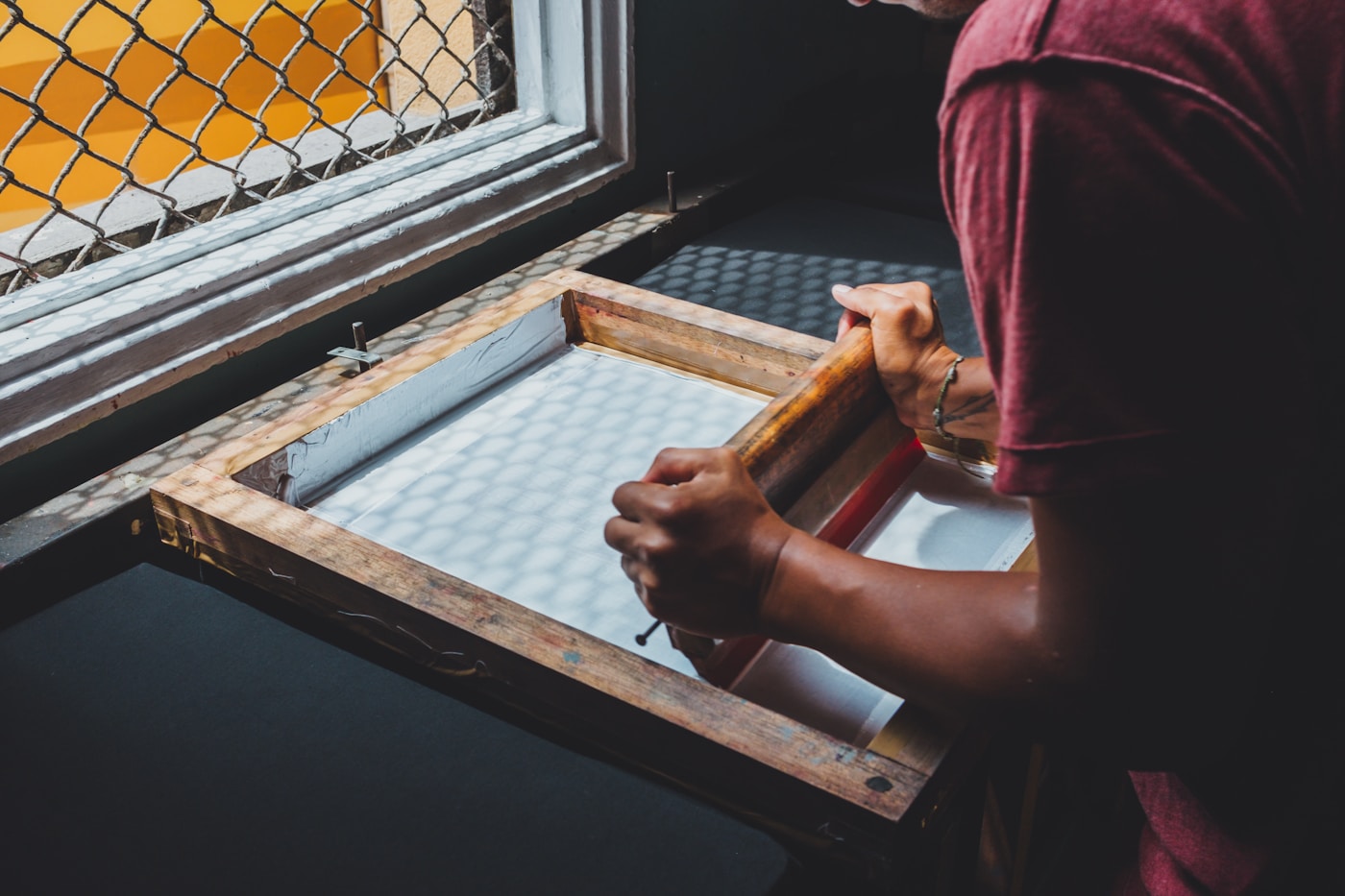
Screen printing pushes ink through a fine mesh stencil onto the fabric — one screen per colour — then cures it in a heat tunnel at around 320°F so it bonds permanently. Most shops use a plastisol ink, though water-based inks give a softer, "barely there" feel.
The result is vibrant, durable, and sits slightly into the fabric. The catch is setup: every colour needs its own screen, and each screen costs time to burn, register and clean. That's why screen printing is a bargain at 100 shirts and brutal at 6. It's the workhorse behind our screen printing service and the default for team and event tees.
2. DTF (direct-to-film)
DTF printing prints your artwork onto a special film, backs it with adhesive powder, and heat-presses it onto the garment. Because it's a digital print, full colour and photographic detail cost exactly the same as a one-colour design — and there's no minimum. One shirt? No problem.
DTF has quietly become our most-requested method for small orders. If you want the full breakdown against traditional printing, we wrote a whole comparison: DTF vs Screen Printing. You can also read more about our DTF transfer service.
3. Heat-transfer vinyl (HTV)
Heat-transfer vinyl is coloured vinyl cut into shapes and pressed onto fabric. It's the method behind the names and numbers on the back of a sports jersey. For solid-colour text and simple graphics in tiny quantities it's fast, sharp and cost-effective — but it's not built for photos or fine detail, and large solid areas can feel heavy on the shirt.
4. Embroidery
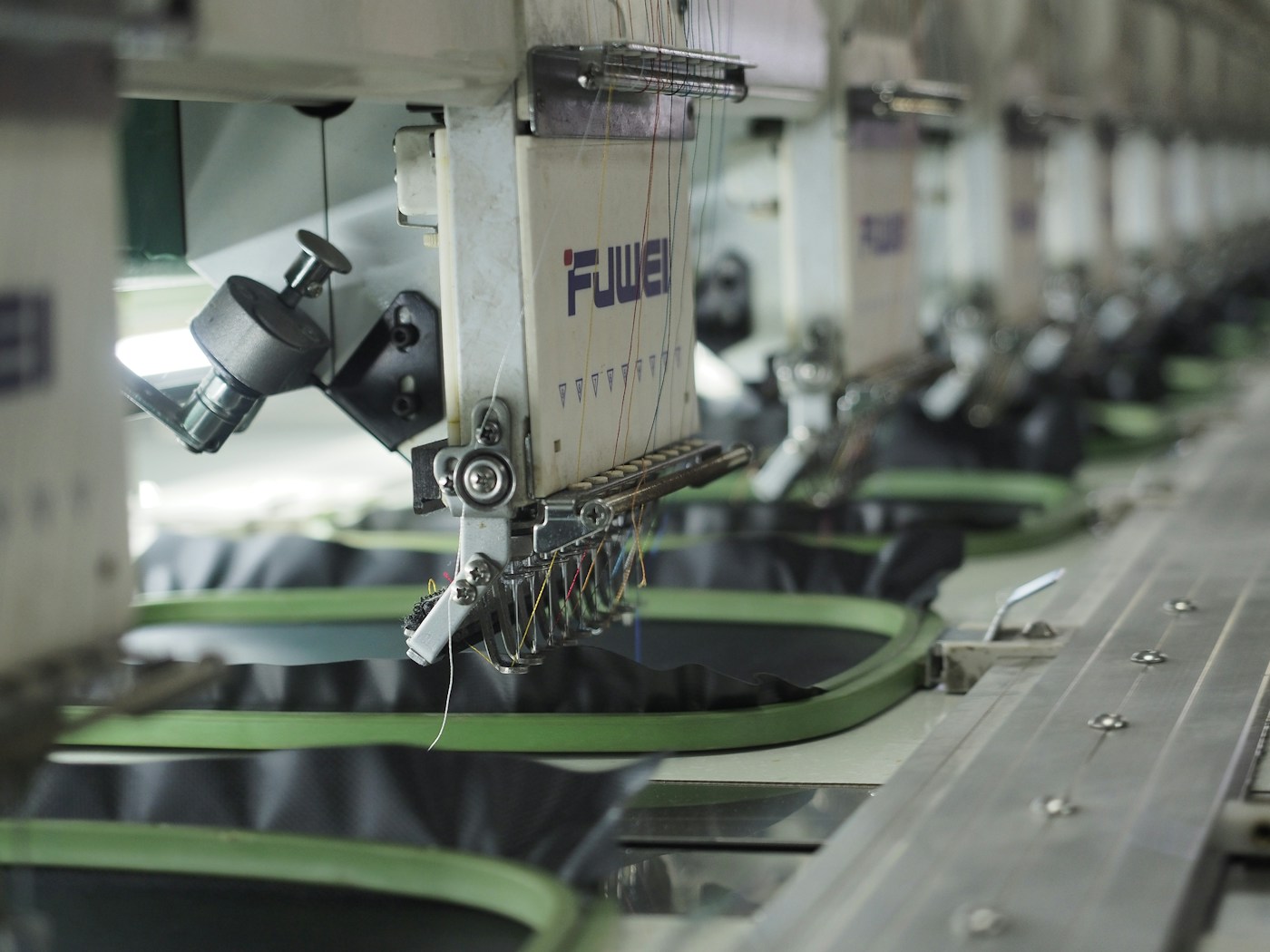
Machine embroidery stitches your logo into the fabric with thread. It reads as premium, lasts the life of the garment, and is the only real option for caps. It's not made for t-shirts — the stitches pull on light cotton — but on polos, jackets and hoodies it's unbeatable.
We break down the print-versus-stitch decision in detail here: Screen Printing vs Embroidery, or see our embroidery service.
Not sure which method your design needs? Drop your logo into our free online studio, put it on a real shirt, and we'll recommend the method that costs the least for your quantity — no account, no payment required.
Open the free mockup studioSo which one should you pick?
Fast rules of thumb from the press room:
- 1–20 shirts, any artwork → DTF.
- 24+ shirts, 1–3 bold colours → screen printing.
- Names & numbers on jerseys → heat-transfer vinyl.
- Polos, caps, jackets, premium logos → embroidery.
- Not sure? Send us the design — we quote it every way for free.
One more factor people forget: the shirt itself. The fabric changes how a print looks and lasts, so it's worth a read before you order — choosing the right t-shirt fabric. And whichever method you choose, our t-shirt printing service covers it all under one roof here in Ottawa.
Frequently asked questions
What is the best t-shirt printing method?
There isn't one 'best' method — there's a best method for your job. Screen printing wins on bold designs and larger runs, DTF wins on full-colour art and small quantities with no minimum, heat-transfer vinyl wins on names and numbers, and embroidery wins on polos, caps and anything you want to feel premium. Once we know your design, quantity and fabric, the right choice is usually obvious.
Which printing method lasts the longest?
Properly cured screen printing and quality DTF both survive 50+ washes without meaningful fading. Embroidery effectively lasts the life of the garment because it's thread, not ink. The fastest way to shorten any print's life is a hot dryer — wash cold, inside out, and hang or tumble low.
Can you print a full-colour photo on a t-shirt?
Yes — DTF (direct-to-film) and DTG reproduce photos and gradients cleanly with no colour-count surcharge, which makes them ideal for detailed or multi-colour artwork. Screen printing can do photo-real work too, but every colour needs its own screen, so it only makes sense at higher quantities.
How many shirts do I need to order?
With DTF there's effectively no minimum — we'll print a single shirt. Screen printing has setup costs per colour, so it starts to make financial sense around 12–24 pieces and pulls clearly ahead of everything else past 50. Send us the design and quantity and we'll tell you which method costs least for your run.
What file should I send for printing?
A vector file (AI, EPS, PDF or SVG) is ideal because it scales to any size without going blurry. A high-resolution PNG with a transparent background (at least 300 DPI at full print size) also works well for DTF. If all you have is a logo off your website, send it anyway — we can often redraw it.
Ready to see your design on a shirt?
Send us your artwork and quantity. We'll recommend the right method, send a free mockup, and quote it — usually the same day.
Start your free mockup