
Wrap, Decals, or Lettering? Branding a Work Van on Any Budget
Cut vinyl lettering, a partial wrap, or a full wrap — here's how the three tiers of commercial van graphics compare on cost, coverage, and payback, with real work van wrap cost ranges for Ottawa in 2026.
A drywall contractor walked into our Ottawa shop last spring convinced he needed a full van wrap and braced for a $5,000 bill. He had one white Ford Transit, three crews starting, and a marketing budget that was mostly already spent. We talked him out of it. For $480 we put clean cut-vinyl lettering on both doors and the rear — logo, phone number, website, and his WSIB line — and he drove off looking like an established company. Six months later he came back and upgraded that same van to a partial wrap because the phone had not stopped ringing.
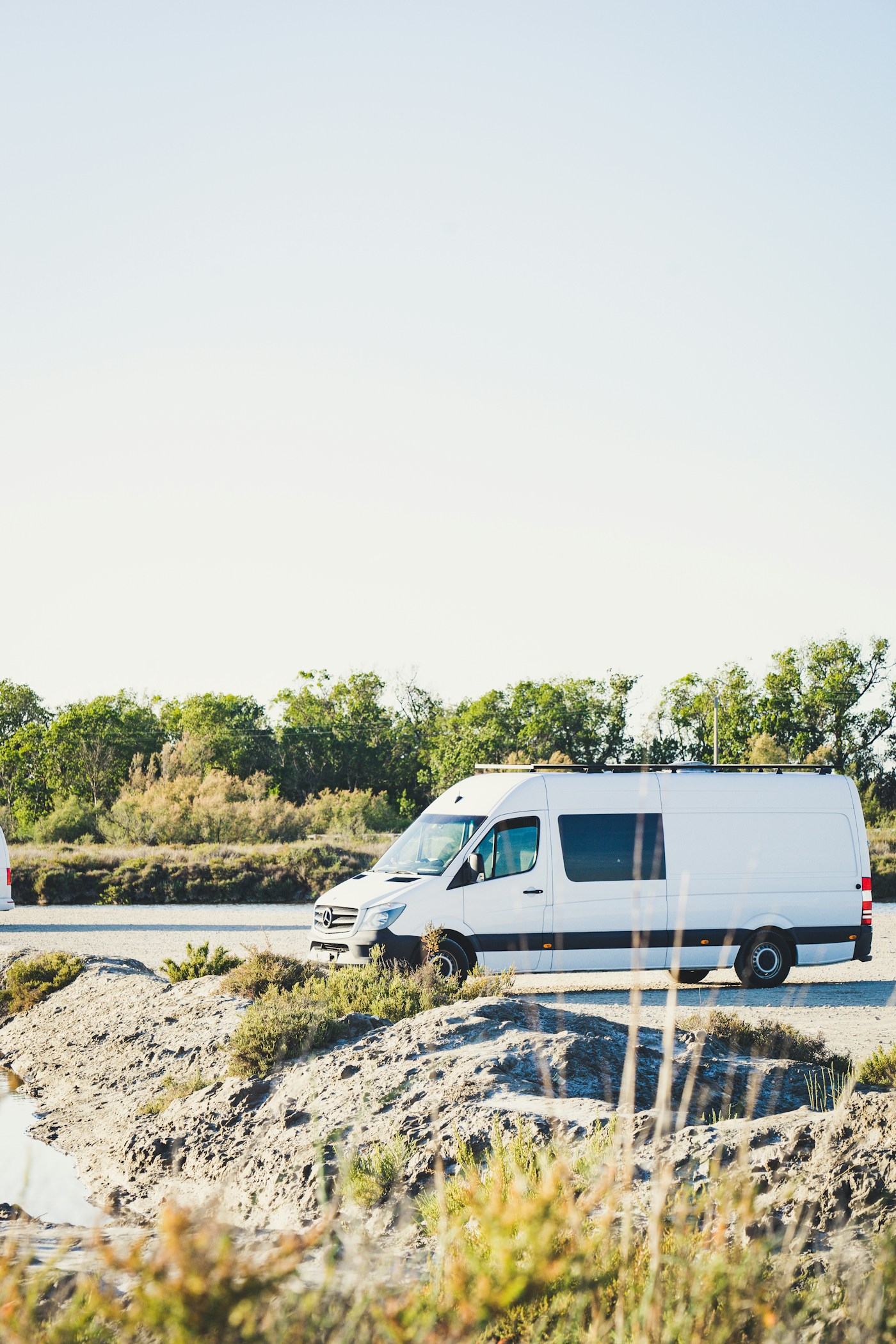
That is the thing about branding a work van: the honest answer to "what should I get" is almost never "the most expensive option." The right choice depends on your budget, how visible you need to be, and how long the vehicle is staying in your fleet. This guide breaks down the three tiers — cut vinyl lettering, a partial wrap, and a full wrap — and gives you real work van wrap cost ranges for the Ottawa market in 2026 so you can spend where it actually pays off.
Three ways to brand a work van
Every commercial vehicle graphic falls into one of three categories, and they map neatly onto three budgets. Understanding the difference is most of the decision:
- Cut vinyl lettering & decals: individual shapes — a logo, text, a phone number, a rear-window graphic — cut from solid-colour vinyl and applied to specific spots. Tightest budget, most durable, no printing involved.
- Partial wrap: printed film on select high-visibility panels (doors, hood, lower sides). Mid budget, big jump in impact over lettering alone.
- Full wrap: printed cast vinyl covering every visible surface, roof to bumpers. Maximum impact, maximum cost, looks factory-painted from a few metres away.
If you want the deep dive on materials and how the vinyl actually behaves on a vehicle, how vehicle wraps and cast vs calendered vinyl work is a good neutral primer. For pricing specifically, our Ottawa vehicle wrap cost guide goes deeper on full-wrap numbers by vehicle type.
Wrap vs decals vs lettering: cost and coverage compared
Here is the whole decision on one screen. These are Ottawa market ranges for 2026 in CAD, covering design, material, and professional install — treat them as planning numbers, not a fixed quote:
| Option | Typical cost (CAD) | Coverage | Best for |
|---|---|---|---|
| Cut vinyl lettering | $100–$500 | Logo, text, phone, web on doors/rear | Tightest budget, solo operators |
| Lettering + window graphics | $200–$1,000 | Adds rear-window & side decals | More presence, still low cost |
| Partial wrap | $1,000–$2,500 | Printed film on doors, hood, sides | Mid budget, high visibility |
| Full wrap | $3,500–$5,000 | Every panel, roof to bumpers | Max impact, fleets, rebrands |
A full-size cargo van eats roughly 300–400 square feet of printed film for a full wrap, which is the main reason a van costs more than a car. For comparison, a compact car or sedan full wrap runs $2,000–$4,000, a midsize SUV or crossover $3,500–$6,000, and a full-size pickup $5,000–$10,000.
Tier 1: cut vinyl lettering and decals
This is where most trades and service businesses should start, and where a surprising number should just stay. Cut vinyl lettering is solid-colour film — no printer — weeded into shapes and applied by hand. A logo and phone number on both doors and the rear runs $100–$500. Add a rear-window decal or side graphics and you are in the $200–$1,000 range.
The advantages are real: it is the cheapest option, it is the most durable (a single layer of quality vinyl with nothing to delaminate), and it installs in a couple of hours. For an owner-operator plumber, electrician, or landscaper with one white or grey van, a clean lettering job reads as "real business" from across a parking lot for a few hundred dollars. It is genuinely the cheapest way to brand a work van without looking cheap.
The limitation is impact. Lettering communicates who you are; it does not transform the vehicle. If you are in a crowded market and want the van to turn heads, keep reading.
Tier 2: the partial wrap
A partial wrap is the value sweet spot for a lot of Ottawa businesses. Instead of covering the whole vehicle, we print cast film for the highest-visibility panels — usually the rear doors, the lower sides, and sometimes the hood — and blend it into the factory colour. Coverage like this runs about $1,000–$2,500, with lighter coverage jobs starting nearer $500.
The reason it works: you get printed, full-colour graphics — gradients, photos, big bold brand blocks that cut vinyl simply cannot do — on the panels people actually look at, without paying to wrap the roof nobody sees. A partial wrap also installs faster, roughly half a day (about four hours) versus one to three days for a full wrap. For most single vans, a partial wrap delivers 80% of the visual punch of a full wrap for well under half the cost.
Tier 3: the full work van wrap
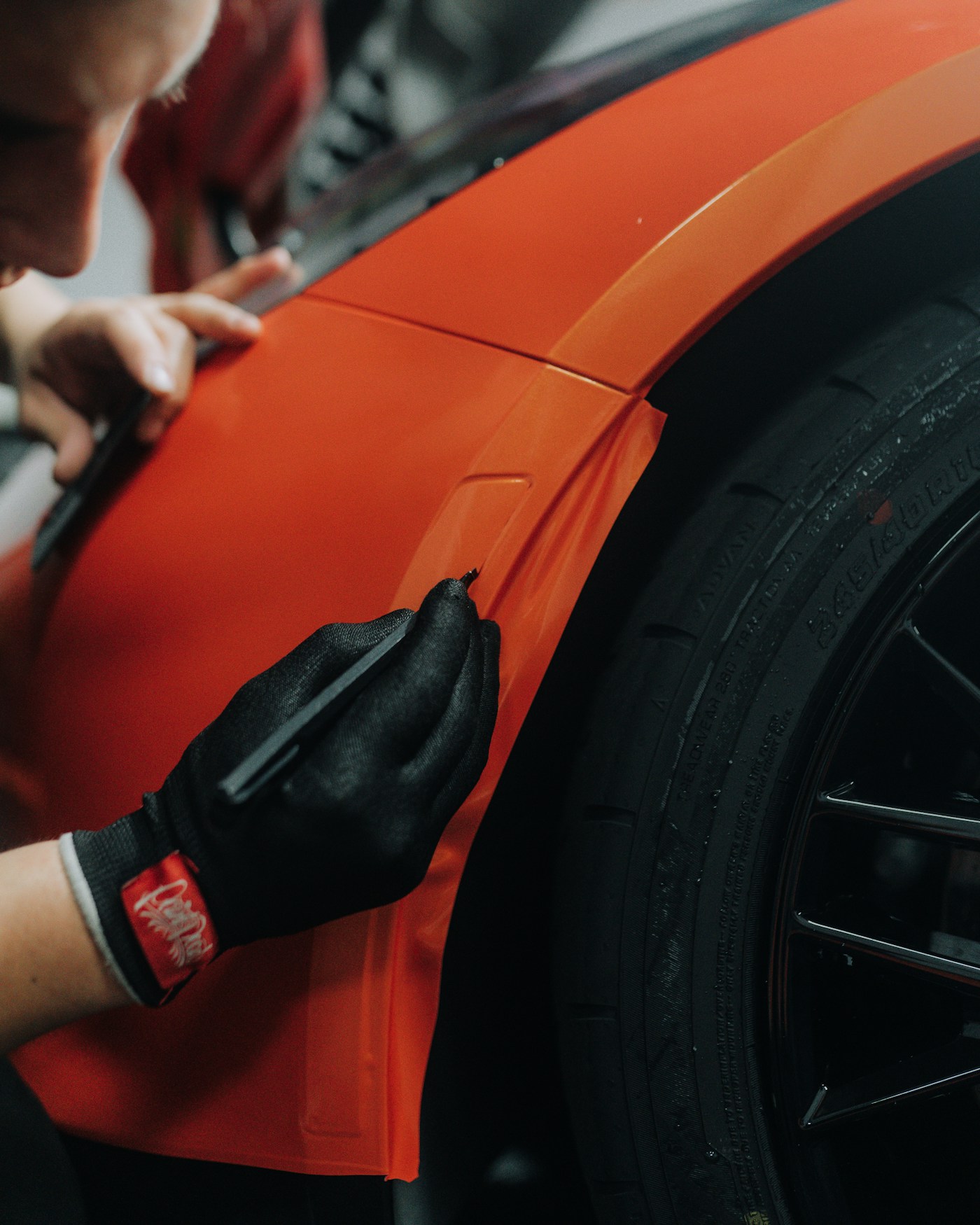
A full wrap covers every visible body panel in printed cast vinyl. From a few metres away the van looks custom-painted. This is the tier where work van wrap cost in Ottawa lands at $3,500–$5,000 for a typical cargo van, with the broader market spanning $2,500 to $5,000+ depending on design complexity and vehicle size.
Full wraps make sense in three situations: you are running a fleet and want every vehicle instantly recognizable, you are rebranding and want a dramatic before-and-after, or your brand leans on photography and colour that only a fully printed surface can carry. Plan for the vehicle to be in the shop one to three days — a large van needs about 10–16 hours of skilled install time — plus printing lead time before that.
Worried about the factory paint underneath? A professional wrap is designed to remove cleanly and even adds a thin protective layer over the original finish. We cover that in detail in our myths-answered piece on whether wraps ruin your paint.
Cast vs calendered vinyl: do not skip this
Whatever tier you choose, the film grade decides how long it survives an Ottawa winter. There are two families:
- Cast vinyl: 2–4 mils thick, cast from liquid so it conforms to curves, rivets and recesses and resists shrinkage. Lasts 5–7+ years. This is what you want for any printed or wrapped surface. 3M's 2080 series is a 3.5-mil dual-cast film with a warranty of up to 8 years.
- Calendered vinyl: extruded and rolled, cheaper and thinner, and it wants to shrink back to flat. Lasts 3–5 years at best and can crack or lift in 1–3 years on a vehicle. Fine for flat, short-term decals and simple lettering; wrong for a full or partial wrap.
Film manufacturers like Avery Dennison vehicle wrapping films publish clear grade and durability specs, and any legitimate shop will tell you exactly which film they are quoting. If a price looks too good, ask the film grade first — a calendered "wrap" and a cast wrap look identical the day they go on and very different two winters later.
The advertising math that makes it easy
Here is the part that turns a van from an expense into a marketing line item. A single wrapped vehicle generates roughly 30,000–70,000 impressions per day just driving your normal routes. That puts the cost-per-thousand impressions somewhere around $0.15–$0.77 — compared with about $3.56 for a billboard and $19.70 for a print ad. Vehicle graphics are among the lowest cost-per-impression advertising you can buy, and unlike a billboard you own the asset outright.
Run the math on the drywall contractor from the top of this article: his $480 lettering job paid for itself in one job. When we design any of these — lettering, partial, or full — supplying clean artwork matters, since large-format printing needs adequate print resolution (DPI) for large-format graphics and proper bleed on printed panels. You can rough out a concept in our online mockup tool or hand us a logo and let us build it. Either way, see the full vehicle wraps and graphics service for what we offer.
Frequently asked questions
How much does it cost to wrap a work van in Canada?
A full commercial cargo-van wrap typically runs $3,500–$5,000 CAD, with the overall market range landing between $2,500 and $5,000+. A full-size cargo van needs roughly 300–400 square feet of printed film, which is why it costs more than a car wrap ($2,000–$4,000). If that number is out of reach, cut vinyl lettering ($100–$500) or a partial wrap ($1,000–$2,500) gets you branded for far less.
What is the difference between a wrap, decals, and lettering?
Cut vinyl lettering and decals are applied to specific areas — door logos, a phone number, a rear-window graphic — and cost the least. A partial wrap covers select panels (doors, hood, sides) with printed film and gives a balance of cost and visibility. A full wrap drapes every visible surface, roof to bumpers, in printed cast vinyl for maximum impact. They are three budget tiers of the same idea: turning your van into a moving billboard.
How much is simple vinyl lettering or a door logo?
Simple cut-vinyl lettering and logos on the front, side or rear run $100–$500 CAD. Add window graphics and you are looking at $200–$1,000, while a door logo plus a rear-window decal package lands around $200–$800. It is the cheapest, most durable way to look professional — a contractor with a white van can get a clean logo, phone number, and web address on for a few hundred dollars.
How long does a vehicle wrap last?
Premium cast vinyl lasts 5–7+ years outdoors, while budget calendered vinyl lasts 3–5 years and can lift, shrink or crack in as little as 1–3 years in Ottawa's freeze-thaw climate. Cast films like 3M's Wrap Film Series 2080 carry manufacturer warranties of up to 8 years on vertical applications. For anything printed or wrapped, insist on cast vinyl — calendered is only sensible for flat, short-term decals.
Is a van wrap worth it as advertising?
A wrapped vehicle generates roughly 30,000–70,000 impressions per day. That works out to a cost-per-thousand impressions of about $0.15–$0.77 — far below a billboard ($3.56) or a print ad ($19.70). For an Ottawa trades or service business whose van is already driving the same routes every day, graphics are one of the lowest-cost-per-impression forms of advertising you can buy.
Branding a work van on a budget?
Tell us your vehicle and your budget and we will show you the smartest tier for it — lettering, partial, or full wrap — with a straight quote and a free mockup before you pay a cent.
Get a van graphics quote