
Vinyl vs Retractable vs Mesh Banners: Which One Do You Need?
Confused about vinyl vs retractable vs mesh banners? Our Ottawa print shop compares all five banner types — solid vinyl, roll-up, mesh, fabric, and pole — on use case, durability, indoor vs outdoor, and cost, so you pick the right one the first time.
Last spring a general contractor came in wanting a big banner for a site fence on a windy corner in Kanata. He'd ordered a solid vinyl one online the year before, zip-tied it to the chain-link, and watched it shred itself into ribbons inside three weeks. He assumed he'd bought a cheap banner. He hadn't — he'd bought the wrong type of banner. A vinyl sheet on an open fence is basically a sail, and the wind won that fight.
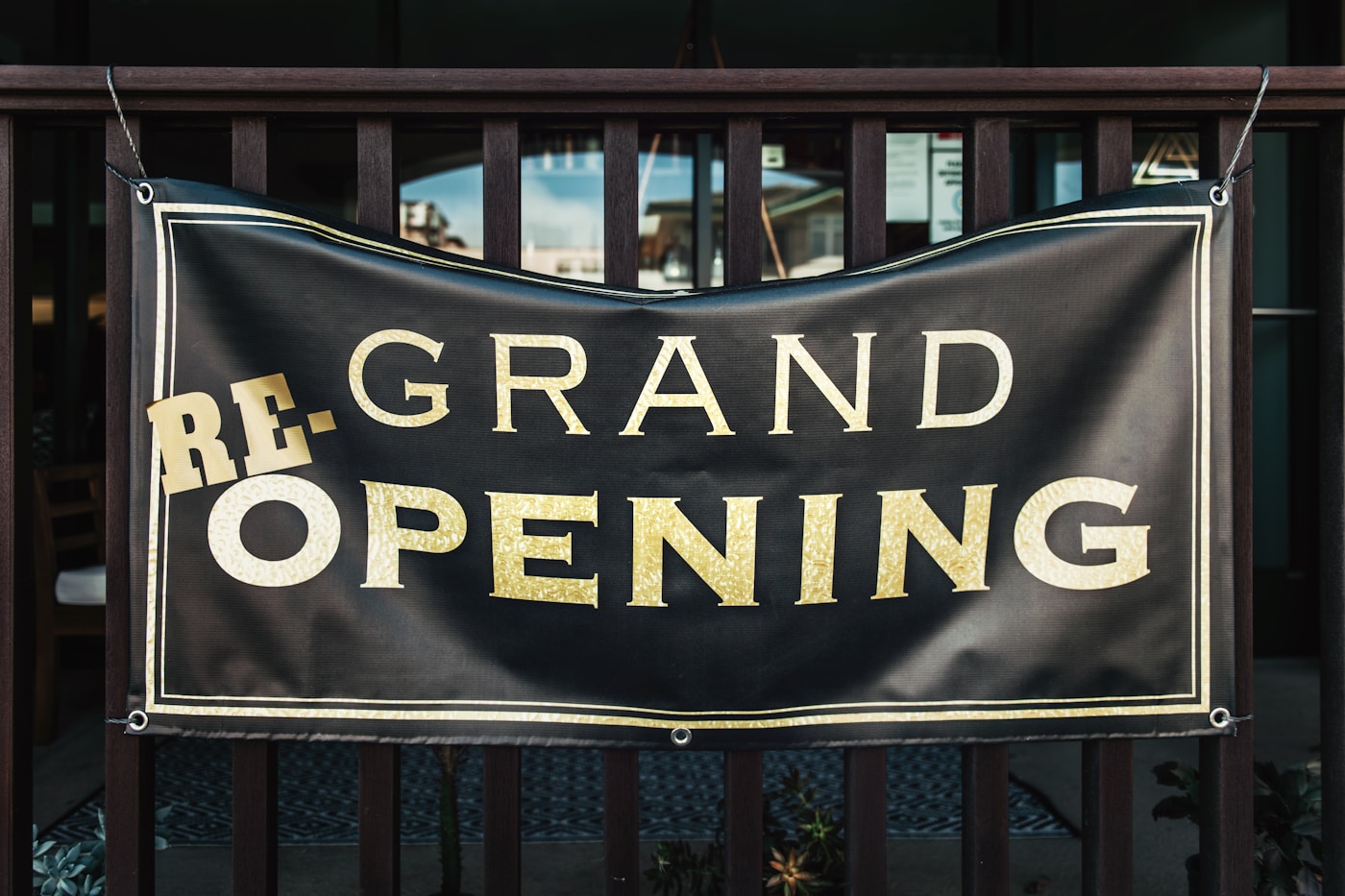
We reprinted the same artwork on mesh, which lets the wind pass through instead of pushing against it. That one is still up today. The whole confusion — vinyl vs retractable vs mesh banners — trips up more customers than almost any product we print, because they all look similar in a photo and cost wildly different amounts to run and install.
This is our honest field guide to the five banners we quote most often: solid vinyl, retractable roll-ups, mesh, fabric, and pole banners. By the end you'll know exactly which one your job actually needs — and which ones will waste your money.
The five banner types at a glance
Before we go deep on each, here's the quick decision table. Ottawa pricing is CAD and covers a typical single-sided print with standard finishing — your exact number depends on size, sides, and material weight.
| Type | Best use | Durability | Indoor / outdoor | Typical cost |
|---|---|---|---|---|
| Solid vinyl | Storefronts, events, backdrops | 2–5 yrs outdoor | Both (sheltered outdoor) | ~$1–$2 / sq ft |
| Retractable / roll-up | Trade shows, lobbies, events | Years (reusable stand) | Indoor | ~$120–$200 complete |
| Mesh | Fences, scaffolding, windy spans | 2–3 yrs outdoor | Outdoor | Slightly above vinyl |
| Fabric | Premium indoor displays, photos | Indoor-lifetime | Indoor | Above vinyl |
| Pole banner | Streets, campuses, storefronts | 1–3 yrs outdoor | Outdoor | Per-set + hardware |
Solid vinyl: the print-quality champion
Solid vinyl is the default banner and for good reason. It's a PVC scrim — a woven polyester base coated in polyvinyl chloride (PVC) — with a smooth, uninterrupted face. That smooth surface is why vinyl gives you the crispest type, the deepest colour, and the cleanest photo reproduction of any banner material. When print clarity is the priority, this is the answer.
Standard weights are 13oz for general use and 18oz for heavier-duty, long-term outdoor work. We finish vinyl banners with aluminum grommets roughly every 20 inches, then you rope or bungee them between posts, walls, or a frame. Outdoors and sheltered they can last 2–5 years; in relentless full sun with no UV coating, closer to 1–2. The one place vinyl struggles is open, windy exposure — which is exactly where mesh takes over. For a full size-by-size breakdown, see our Ottawa vinyl banner pricing guide.
Mesh: built for wind
Here's the single most useful fact in the whole vinyl vs retractable vs mesh banners debate: mesh is perforated. Those thousands of tiny holes let roughly 35% of the wind pass straight through — about a 70/30 vinyl-to-open ratio — so the banner stops behaving like a sail. That airflow is the entire reason a mesh banner survives on a construction fence, on scaffolding, or across an exposed span where solid vinyl would flap itself to death.
Mesh is a PVC-coated polyester spec'd by weight per square yard, typically 8oz, 9oz, or 10oz — heavier weights are more durable. Up close you'll notice slightly softer print detail than vinyl (the holes interrupt the image), but from any normal viewing distance on a fence it reads perfectly. On chain-link, mesh is usually zip-tied through the grommets straight to the fabric of the fence. It runs about 2–3 years outdoors and 3–4 years indoors, and while it often costs a touch more than standard vinyl up front, it saves money outdoors by not tearing.
Retractable roll-ups: the trade-show workhorse
A retractable — or roll-up — banner is a different animal. The graphic is a smooth blockout vinyl (an opaque layer stops light bleeding through) or a premium polyester fabric, mounted in a self-contained aluminum base. You pull it up out of the base, hook it to a support pole, and it stands on its own. When you're done, it rolls back into the base and drops into a carry bag.
That self-standing, pack-it-and-go design makes roll-ups the go-to for trade shows, lobbies, conferences, and any indoor event you set up and tear down the same day. In Canada a 33-inch by 80-inch economy unit — printed banner and carry bag included — runs about CAD $141, a deluxe unit about $201, and stand-only hardware starts near $17 if you just want to reprint a new graphic for the base you already own. Because the stand is reusable, roll-ups are the cheapest banner to keep fresh over time — design a new one in our free banner designer and just swap the graphic.
Fabric and pole banners: the specialists
Fabric banners print on a polyester textile instead of PVC. They look premium — no glare, a soft matte finish that photographs beautifully — which is why they're a favourite for indoor step-and-repeat backdrops, retail displays, and anywhere the banner is on camera. They fold without permanent creases, so they travel well too. The trade-off is that fabric isn't built for hard weather; keep it indoors or under cover.
Pole banners are the tall vertical banners you see lining streets, campuses, and shopping districts, mounted on brackets with pole pockets top and bottom. They're printed on double-sided blockout material so both sides read clearly, and they mount in matched sets. Because they live fully exposed and take constant wind load, plan on 1–3 years of life and budget for the mounting hardware separately from the print.
How to choose — and how to set up your file
Strip away the jargon and the decision is simple:
- Best print quality, indoor or sheltered outdoor: solid vinyl.
- Windy, exposed, on a fence or scaffolding: mesh, every time.
- Portable, self-standing, indoor events: retractable roll-up.
- Premium on-camera indoor display: fabric.
- Streets, campuses, storefront rows: pole banners.
Whichever you pick, the file setup is the same. Design at full size and add about 1/8-inch (3mm) to 1/4-inch (6mm) of print bleed on every edge so nothing important gets trimmed off. Supply vector art or high-resolution files — our wide-format printers output at 300–720 DPI, so crisp source art keeps your logo and headline sharp even at billboard scale. (The neutral definition of a banner backs up the vinyl-or-fabric, grommet-finished, wide-format basics we've covered here.)
Banners are only one piece of a signage lineup, of course. If you're outfitting a location, it's worth reading our storefront sign options guide and, for indoor graphics, our large-format poster printing guide. And you can always see the full range on our banner printing and signs and banners pages.
Frequently asked questions
What is the difference between a vinyl banner and a mesh banner?
Vinyl is a solid PVC scrim — usually 13oz for general use or 18oz for heavy-duty jobs — with a smooth face that gives you the sharpest colour and print detail. Mesh is a perforated PVC-coated polyester (roughly 8–10 oz per square yard) with thousands of tiny holes that let about 35% of the wind pass straight through. You trade a little bit of print crispness for wind resistance, which is exactly the trade you want on a fence or an open outdoor span.
Which banner is best for windy or outdoor conditions?
Mesh. Because its perforations let roughly 35% of airflow through (about a 70/30 vinyl-to-open ratio), the banner stops acting like a sail. That's what prevents the flapping and tearing that rips solid vinyl apart on chain-link fences, scaffolding, and long exposed runs. If it's going anywhere the wind gets a grip, we quote mesh.
How long do vinyl banners last outside?
Generally 2–5 years. In full sun with no UV-resistant ink or coating you might only get 1–2 years before fading; with UV-resistant inks and coatings you're looking at 2–5 years; and a shaded, well-installed banner can run 5+ years. Mesh typically lasts about 2–3 years outdoors and 3–4 years indoors. The install and the environment matter as much as the material.
How much is a retractable / roll-up banner stand?
In Canada a 33-inch by 80-inch economy roll-up — printed banner plus a carry bag included — runs around CAD $141, and a deluxe unit lands near $201. Hardware-only stands (no print) start as low as about $17. Complete printed 3×6 packages start around $120. It's the easiest banner to justify because the stand is reusable and you can swap the graphic later.
Can you use a vinyl banner indoors for a trade show?
You can, but a retractable roll-up is usually the better call indoors. It stands on its own, sets up in seconds, and packs down into a carry bag you can wheel through a convention centre. A flat vinyl banner needs a wall, a frame, or grommet tie-points to hang from — great for a backdrop, awkward for a booth you set up and tear down in a day.
Not sure which banner your job needs?
Tell us where it's going — a fence, a trade-show booth, a storefront — and we'll recommend the right material, send a free mockup, and quote it. No guessing, no wrong-type reprints.
Get a banner quote