
How Much Does a Vinyl Banner Cost? Ottawa Banner Pricing (2026)
A transparent look at vinyl banner cost in Ottawa for 2026 — real CAD prices by size (2x4 to 4x10 ft) and material (13oz, 18oz and mesh), plus what grommets, hemming and wind slits actually add to your quote.
A caterer once ran into our shop on a Thursday afternoon holding a torn banner she'd bought online for a Saturday farmers' market in the ByWard Market. The print looked fine, but the corners had blown out — no hemmed edge, grommets punched straight through single-ply vinyl, and a full-sun spot with no wind slits. It had lasted exactly one gusty morning. We printed her a proper 13oz replacement with welded hems that afternoon and she picked it up the next day.
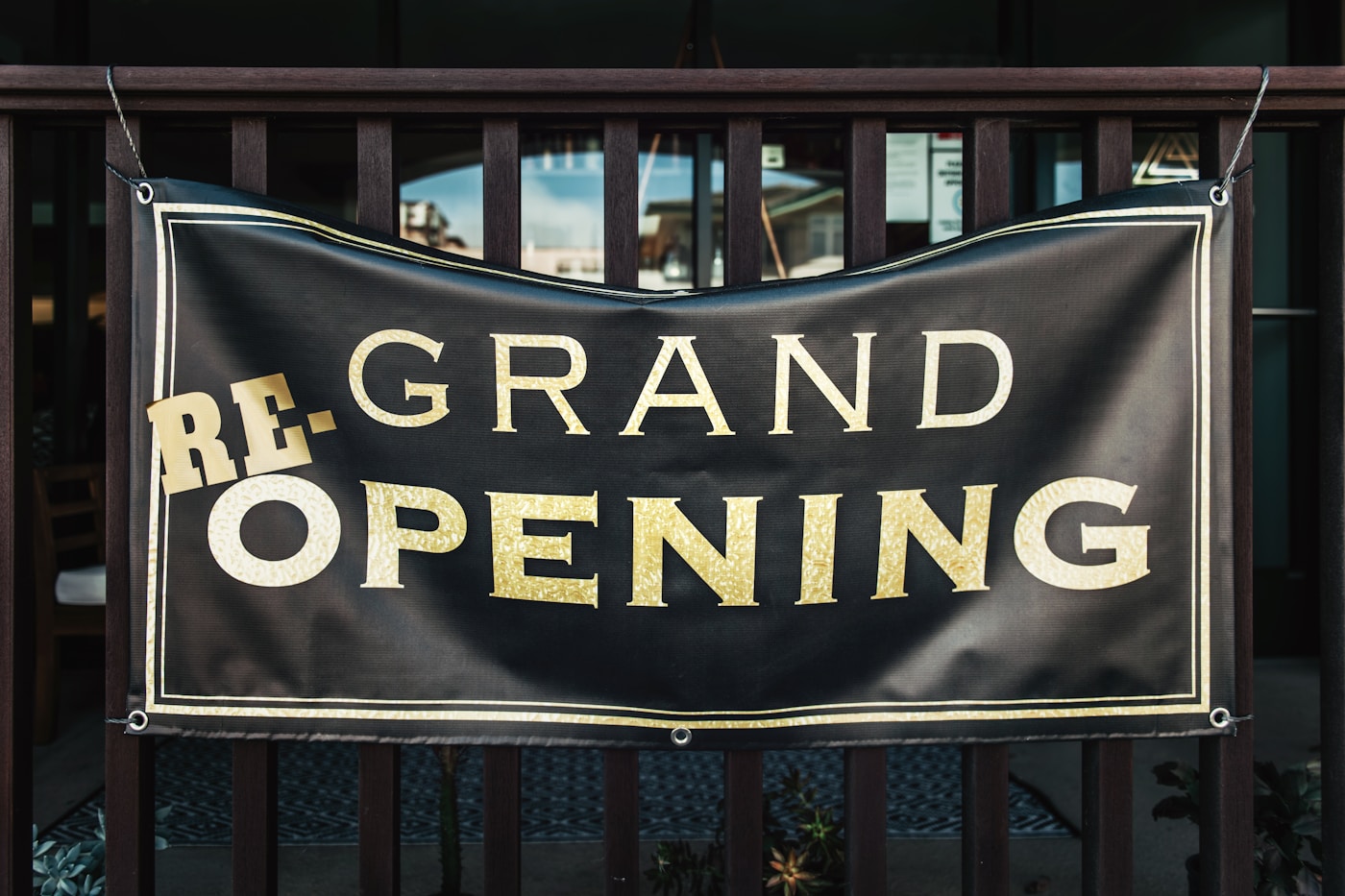
That's the thing about banners: the print is the easy part. What you actually pay for — and what determines whether the thing survives an Ottawa summer — is the material weight and the finishing. So let's talk honestly about vinyl banner cost, size by size, in real 2026 CAD.
Quotes for the "same" banner can swing wildly because two shops aren't always quoting the same product. One is pricing bare 13oz vinyl with cut edges; the next includes hemming, grommets and a heavier material rated for years outdoors. This guide breaks down what changes the vinyl banner cost so you can compare apples to apples.
How vinyl banner cost is calculated
Almost every shop, us included, starts from a price per square foot and then adds finishing. Across Canada that base rate lands in the $3–$8 per square foot range for full-colour banners. Bigger banners get cheaper per square foot (one Canadian provider quotes roughly $4/sq ft under 8 feet and $3.25/sq ft over 10 feet), and high-volume orders can fall toward $1.40/sq ft. A common local sign-shop rule of thumb is $8/sq ft — on that math a 3' x 6' (18 sq ft) banner would be about $144 before design, which is the top of the range.
Multiply your two dimensions to get square footage, then picture where it lands in that band. The five things that move a quote up or down:
- Size (square footage): price scales almost linearly with area — pick the smallest size that stays legible from your viewing distance.
- Material weight: 9oz mesh, 13oz standard, 15oz pole-pocket, 18oz heavy-duty. Heavier costs more.
- Single vs double-sided: two-sided banners need a light-blocking blockout core, so they cost noticeably more.
- Finishing: hems, grommets, pole pockets and wind slits. Some shops include the basics free; others itemize them.
- Turnaround: standard is usually next-day; true rush can add a fee.
Ottawa banner pricing by size and material
Here's what we quote in 2026 on the most-ordered banner sizes, with basic hemming and grommets included. Solid 13oz is the everyday standard; 18oz is the heavy-duty upgrade for permanent outdoor signs; mesh is the wind-friendly option for fences and building fronts. These are CAD estimates — your exact number depends on artwork and finishing.
| Size | 13oz vinyl | 18oz heavy-duty | 9oz mesh |
|---|---|---|---|
| 2' x 4' (8 sq ft) | $45–$65 | $60–$85 | $55–$80 |
| 3' x 6' (18 sq ft) | $75–$110 | $100–$150 | $90–$135 |
| 4' x 8' (32 sq ft) | $120–$180 | $165–$240 | $150–$220 |
| 4' x 10' (40 sq ft) | $150–$230 | $210–$300 | $190–$280 |
Two format notes that don't fit neatly in a per-square-foot table. Retractable (roll-up) banner stands are a fixed-size trade-show product — a 33" x 79" graphic in an aluminum base — and run roughly $180–$320 depending on hardware quality, since you're paying for the stand, not just the print. Double-sided banners add a blockout core and typically cost 40–70% more than the single-sided prices above. If you're weighing these formats against each other, our companion guide on vinyl vs retractable vs mesh banners walks through which one fits which job.
13oz vs 18oz vs mesh: which material
The "oz" number is weight per square yard, and it's the biggest driver of both durability and price. All three are plasticized PVC, the vinyl in vinyl banners, coated onto a scrim mesh for strength — they just differ in thickness and construction.
- 13oz vinyl: the all-purpose standard. Great indoors and good for 1–2 years outdoors. This is what most events, sales and grand-opening banners should be.
- 18oz vinyl: heavier, stiffer, far more tear- and weather-resistant. Worth the upgrade for a banner that lives outside permanently through winters and wind.
- 9oz mesh: perforated so wind passes through. Best for fences, scaffolding and building wraps; lasts around 3 years in exposed spots but is single-sided and slightly less vivid.
Manufacturers publish the specifics if you want to go deep — the Avery Dennison banner media data sheets list frontlit, backlit, mesh and blockout films with their weights and outdoor ratings. For most Ottawa customers, though, the choice is simple: 13oz for events, 18oz for permanent outdoor, mesh for windy or fenced installs.
Grommets, hemming and wind slits
This is the finishing that separates a banner that survives from one that shreds. It's also where cheap online orders cut corners, so it's worth knowing what each term means.
Hemming folds the edge over and heat-welds it into a doubled border. That reinforced edge is what a grommet bites into. A banner with grommets punched through a single layer of vinyl — no hem — will tear at the corners in the first real gust, exactly like our caterer's did.
Grommets are the metal-reinforced holes you thread rope, zip ties or hooks through. We space them every 2–3 feet so wind load is shared across the whole edge instead of concentrated on two corners. Pole pockets are sewn sleeves the top and/or bottom edge folds into so a rod or pole slides through — the tidy look for hanging banners, usually done on 15oz material.
Wind slits are small half-moon cuts across a solid banner that let gusts vent through instead of ballooning the whole sheet like a sail. For an exposed outdoor 13oz banner we'll recommend them — or steer you to mesh, which vents wind by design.
Setting up your banner file
Good files keep the price down (no design time) and the turnaround fast. Two specs matter most: resolution and bleed. Banners are viewed from a distance, so they don't need photo-grade DPI. Use DPI (dots per inch) explained as a guide: 100–150 DPI at full size for close viewing (around 3 feet), 75 DPI for very large banners, and as low as 25 DPI for something read from 50 feet away.
Add about 0.125"–0.25" of what "bleed" means in printing on every side so there's no unprinted white strip after we trim, and keep your text and logo at least 0.5" inside the trim edge. Send CMYK colour, and PDF or EPS where possible. If your logo is only a small PNG, our online design tool or our team can rebuild it at banner scale before we print.
Getting the most from your banner budget
A few ways we help Ottawa customers spend smart. If a banner is for a recurring event, don't put a date on it — a reusable "Summer Sale" banner rolled face-in (never folded) rehangs for years. If it lives outdoors year-round, the 18oz upgrade is cheaper than reprinting a blown-out 13oz banner every season. And if you're ordering signage anyway, bundling a banner with other signs and banners or a storefront sign often unlocks a bulk rate.
When you're ready for a real number, send us the size, where it'll hang, and your artwork. Our banner printing service turns most orders around in one business day, and you'll see a free mockup before you pay a cent.
Frequently asked questions
How much does a vinyl banner cost?
In Canada, vinyl banners generally run about $3–$8 per square foot. A standard 3' x 6' (18 sq ft) 13oz banner lands around $75–$110 CAD with basic hemming and grommets included, and many Ottawa shops start custom banners in the $70–$90 range. A small 2' x 3' can be as low as $30. The number moves with size, material weight, single vs double-sided printing, and finishing.
What is the difference between 13oz and 18oz vinyl banners?
The ounce number is the material weight per square yard. 13oz is the standard, all-purpose banner — scrim polyester woven between two PVC layers — and it's ideal for indoor use and 1–2 years outdoors. 18oz is heavier, stiffer and far more tear- and weather-resistant, so it's the pick for permanent outdoor signage. On the same 3' x 6' banner, 18oz typically costs 30–50% more than 13oz. 15oz is the usual default for pole-pocket banners.
What are grommets, hemming, and wind slits?
Grommets are metal-reinforced holes punched every 2–3 feet so you can hang the banner with rope, zip ties or hooks. Hemming folds and heat-welds the edge into a doubled border so the material won't tear at the fastening points. Wind slits are small half-moon cuts that let gusts pass through a solid banner instead of turning it into a sail. We include hems and grommets on most banners; wind slits are optional for exposed outdoor spots.
Should I choose mesh or solid vinyl for a windy location?
For open fences, rooftops and building wraps that catch wind, go with mesh — it's a perforated PVC (around 9oz) that lets air pass through, resists tearing, and can last roughly 3 years outdoors. Solid 13oz or 18oz vinyl catches more wind but gives you brighter, fully opaque graphics and supports double-sided printing. Mesh is almost always single-sided. If the banner lives on a wall or indoors, solid vinyl wins on colour.
How fast can I get a banner printed in Ottawa?
Most standard custom banners are a 1-business-day turnaround once your artwork is approved, and we keep rush options open for last-minute events. Sending print-ready files — CMYK, PDF or EPS, with bleed — is the fastest path. If you only have a logo, we can build the layout for you and send a free mockup before you pay.
Need a banner printed this week?
Tell us the size, where it's hanging, and send your artwork or logo. We'll send back a free mockup and a straight quote — hems and grommets included, no surprises.
Get a banner quote