
Custom Gym and Fitness Apparel in Toronto: Member Merch, Coach Shirts and Run-Club Gear That Survives the Wash
Gym and fitness apparel in Toronto is three orders: embroidered coach and staff shirts that have to be recognisable across the floor, member merch that has to sell at the front desk, and event tees for a six-week challenge or the club’s 10K. Cotton versus performance polyester and what changes on the press, a twelve-piece merch test with no minimum, two colourways instead of six, run-club shirts read from behind, embroidered caps for the merch wall, and recording the blank and thread so the reorder matches — printed in-house in Ottawa and shipped to Toronto in 1–2 days once it leaves the shop.
- Minimum order
- None on DTF or DTG — we will print one shirt, so a twelve-piece merch test is a normal order. Screen printing starts around 6 pieces and becomes the best value past roughly 24–50.
- Typical cost
- Roughly $12–$18 CAD per screen-printed tee at 50 pieces, dropping under $10 each in the hundreds. Full-colour DTF sits slightly higher per piece with no setup fee. Embroidery is priced by stitch count, not by colour.
- Turnaround to Toronto
- Standard turnaround on clothing is 1–2 weeks after you approve the mockup and pay. Most apparel orders can rush — 4–5 business days or 1–3 business days, priced at checkout — and every order shows the dates it will be ready before you pay. Then typically 1–2 days in transit from Ottawa.
- Artwork check
- A human designer reviews every order before it goes to press — resolution, colour, sizing and placement. Not an automated preflight.
- Design it yourself
- Free online studio at yayaprints.ca/mockup-creator builds tees, long-sleeves, hoodies, polos and caps on the real garment with live pricing. No account, no deposit. Toques, crewnecks, singlets and rash guards go through the quote form.
- Three fitness orders
- Coach and staff uniforms (embroidered polos and printed performance tees, small and reordered forever), member merch for the front desk (cotton tees, heavyweight hoodies and caps in two colourways) and event tees for a six-week challenge or the club’s 10K (screen printed by the hundred on a fixed date).
- Where it is printed
- In-house in Ottawa, Ontario, then shipped to Toronto. No GTA storefront, pickup or local rep. Printed in Canada, so no cross-border customs holds or surprise duties, and nothing is drop-shipped from overseas.
Gyms order three different things, and each is its own job
The email from a gym owner almost always says “we need shirts,” and it almost always means three things: a uniform for the coaches, something to sell at the front desk, and a tee for the January challenge or the club’s fall 10K. Those are three orders with different blanks, decoration, quantities and dates, and whether they come from a functional-fitness gym in a Leslieville warehouse unit, a yoga studio on Queen West or a boxing gym in the Junction, the Toronto orders sort into the same three piles.
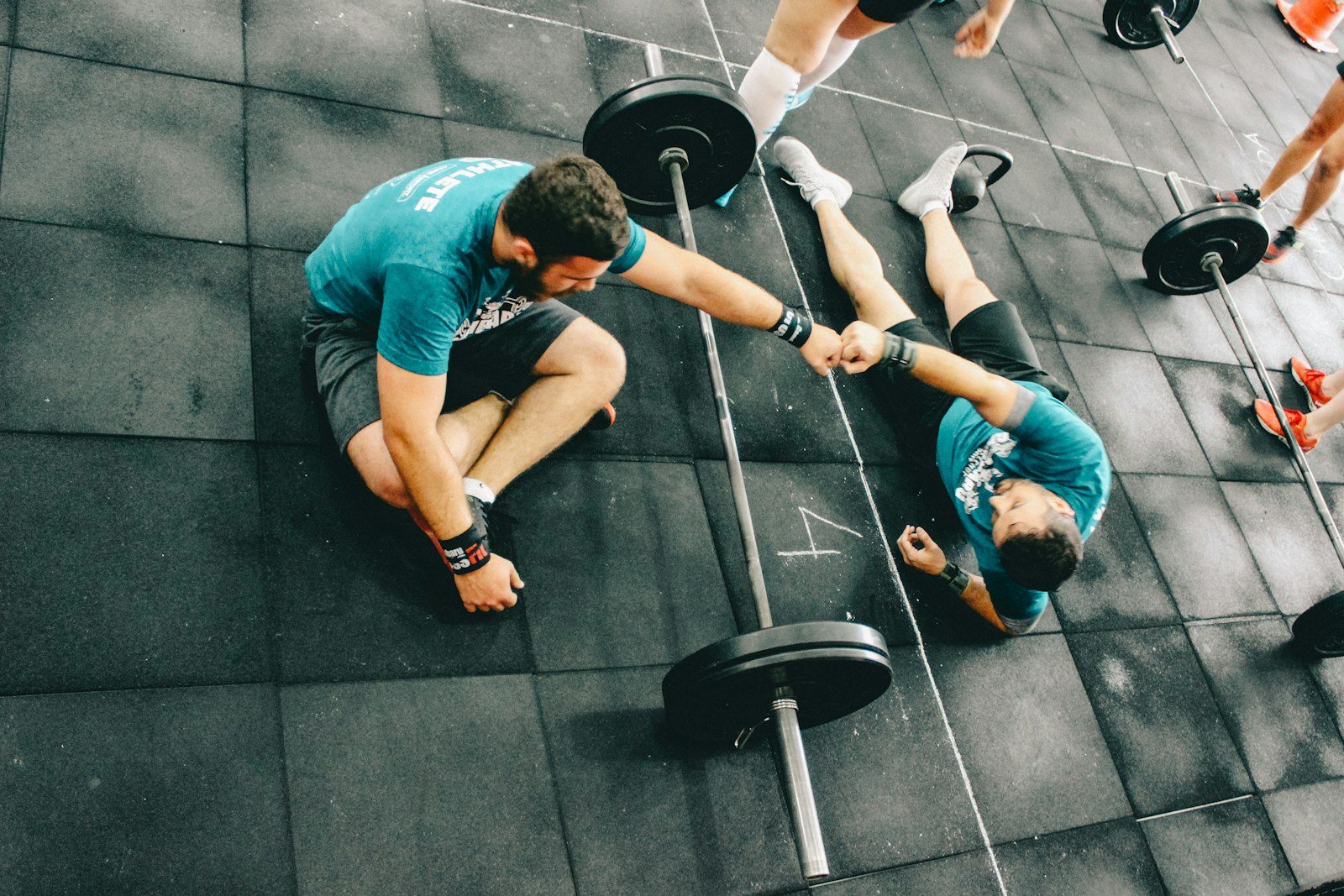
The coach and staff order is small, judged closely and reordered forever: an embroidered polo for whoever meets a new member at the desk and a printed performance tee for whoever is on the floor, the same two-tier logic as corporate apparel in Toronto. The merch order is the opposite bet: nobody has to wear it, so it has to be something a member would pay for with no logo at all, and a heavyweight hoodie outsells everything else on the wall. The event orderis bulk: a six-week challenge, a member day, the club’s 10K. Cost per piece rules, screen printing wins and the date does not move; our event shirts guide goes deep on that one.
One thing to say plainly first: we are an Ottawa shop. Everything is printed and embroidered in-house in Ottawa, Ontario and shipped to you. There is no storefront on Queen West, no pickup counter in Liberty Village and no rep driving around the GTA, so if your plan depends on collecting a box this afternoon we are the wrong shop, and it is better to know that now.
Cotton for the merch wall, polyester for the training floor
Fabric decides more at a gym than the print does. Cotton, from a standard tee to a heavyweight fleece hoodie, is what people wear out of the building: it takes the softest print and belongs on the merch wall. Performance polyester is for anything that will be sweated in; it wicks, dries fast and does not hang heavy when soaked. Our fabric guide covers weights and hand feel; the short version is cotton for after class, polyester for during it.
Here is the wrinkle with polyester. Both DTF and screen printing work on it, but polyester dye can migrate into the ink, which is how a white logo on a red training tee turns faintly pink a few weeks later, so a poly job is set up differently from a cotton job. We handle that; just tell us what the garment is made of, or pick the actual blank in the studio.
The wash is where a gym shirt lives or dies. A one-colour screen print on a heavyweight cotton tee is the most durable thing we make, a DTF print holds up washed cold and inside out (see the DTF care guide), and embroidery does not crack or fade at all.
Merch that sells is two colourways, not six
Merch goes wrong the same way at every gym: six colours of tee and three of hoodie in a full size run, and eighteen months later a bin of small pink tees under the front desk. The fix is boring. Two colourways, usually black and one accent, in a size spread weighted toward medium, large and extra-large.
The neighbourhood on the chest sells better than the slogan. A small logo on the left chest and THE JUNCTION or LESLIEVILLE across the back reads as clothing rather than an ad, and people buy the shirt that says where they train. The chest logo size guide has the measurements, custom hoodies in Toronto covers fleece weights, and how to order custom hoodies in Toronto is the step-by-step.
Then test before you commit. There is no minimum on DTF or DTG, so print twelve of a new design, put them on the wall and watch for a month. If it sells, reorder the winner as a screen run; if not, you are out twelve shirts, not a hundred and twenty. Build the test in the free studio and the price updates as you change the count. Once a design has earned a run in the hundreds the tee costs under $10 each, and a tee at that cost sells for two to three times that at the desk; starting a clothing brand in Toronto uses the same logic for a first drop.
Two more pieces earn a place. An embroidered cap sells to the member who will never buy a hoodie; the studio builds caps, and cap printing in Toronto covers the styles. An embroidered toque is the November-to-March seller, quoted by hand rather than built in the studio, and so is a crewneck: size the logo on a hoodie in the studio, then order the crewnecks on the quote.
Run clubs, martial-arts schools and boxing gyms wear different things
Toronto’s run clubs are their own market now: the Tuesday-night group that meets outside a cafe on Ossington and runs to the lake, the Sunday long-run crews in High Park, and the September charity runs along the lakeshore. They order three garments, and none is a singlet: a performance tee for summer, a long-sleeve for the cold mornings that make up most of the running year here, and a hoodie for the coffee afterwards. All three build in the studio with the club name in a print-quality font; a singlet is quoted by hand.
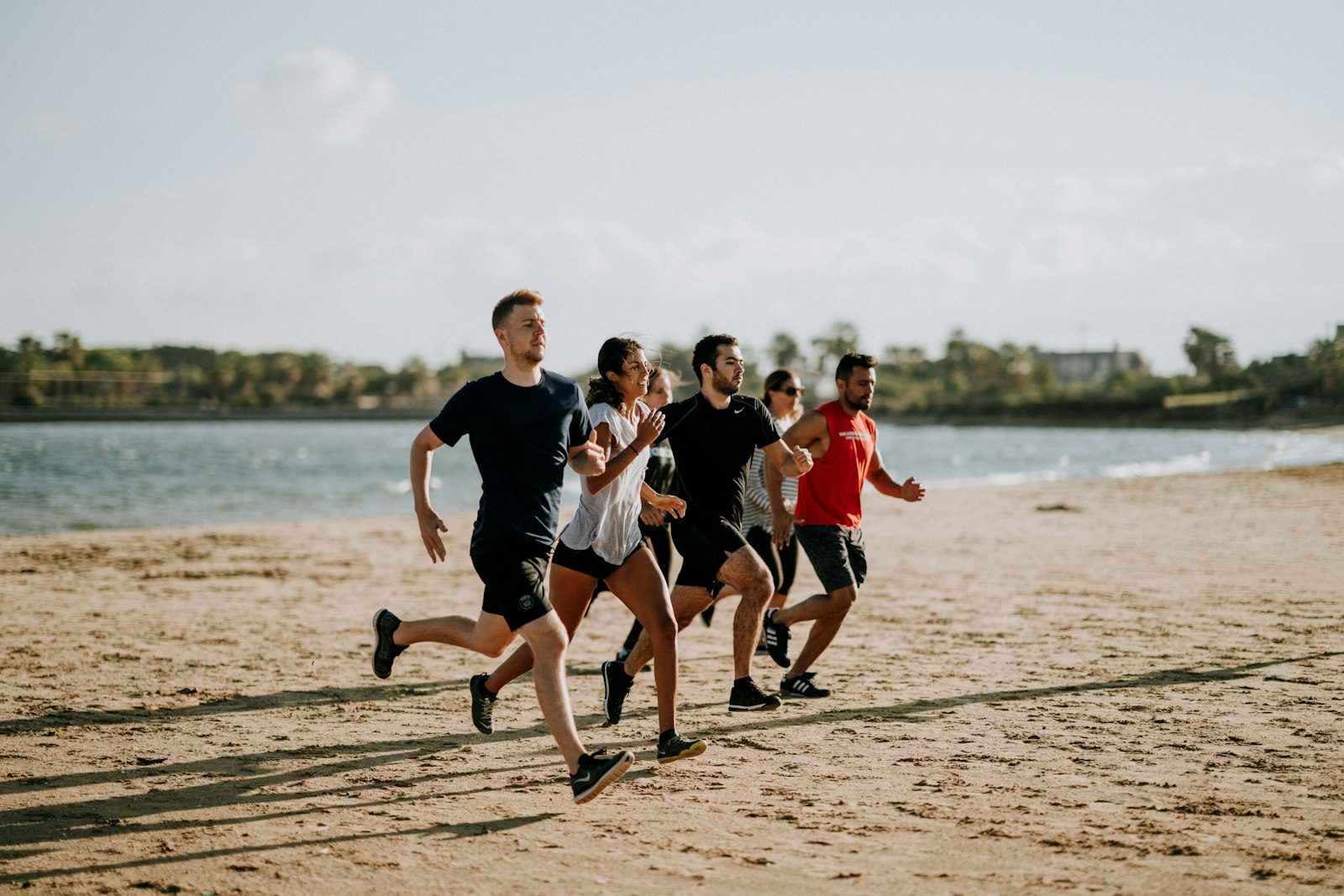
Members pay for their own shirt, so pre-sell it: collect sizes and money before anything prints, close the form on a date, and add a few spares in medium and large for the spring joiners.
Martial-arts schools and boxing gyms are a different animal. A boxing gym in a basement off Dundas West or a jiu-jitsu school in a Scarborough plaza washes its tees harder than anyone in the city, and the order that lasts is a heavyweight cotton tee with a one-colour screen print, plus a hoodie for the walk home in January. Rash guards and fight shorts are sublimated pieces the studio does not build; we quote them by hand and run them with the tees so the logo matches. The studio does have youth tees and youth hoodies for the kids’ classes. Personal trainers are the smallest order here: two embroidered polos, a dozen tees with a phone number on the back, maybe a cap, and with no minimum on DTF or DTG that order costs what it costs.
Window graphics and banners are printed here and shipped, not installed
A gym’s window is its best ad on a street like Queen East or Bloor West, and a ground-floor studio usually wants three things on the glass: the logo and hours in cut lettering, frosted privacy film at eye level so a class is not on display to the sidewalk, and, on a big window, one-way perforated vinyl. The window graphics page lists what we print.
Plainly: we print and ship window graphics; we do not install them in Toronto. That is local work for a sign installer or, for small lettering, an owner with a squeegee. Send the glass measurements and a storefront photo and we size the artwork and ship it rolled. Banners are simpler: a vinyl banner for the challenge wall, a stand-up banner for the front desk and a mesh banner for a bootcamp fence all come from banner printing, and the print studio prices banners online. Order the banner in the same job as the challenge tees so the logo colour matches.
Reorders match only if the first order was written down
Coach shirts turn over and merch runs out in medium first, so the reorder is where a gym’s apparel either holds together or starts to look scrappy. The failure is always the same: the second batch of black hoodies is a slightly different black, the stitched logo is a touch bigger, the back print sits an inch lower.
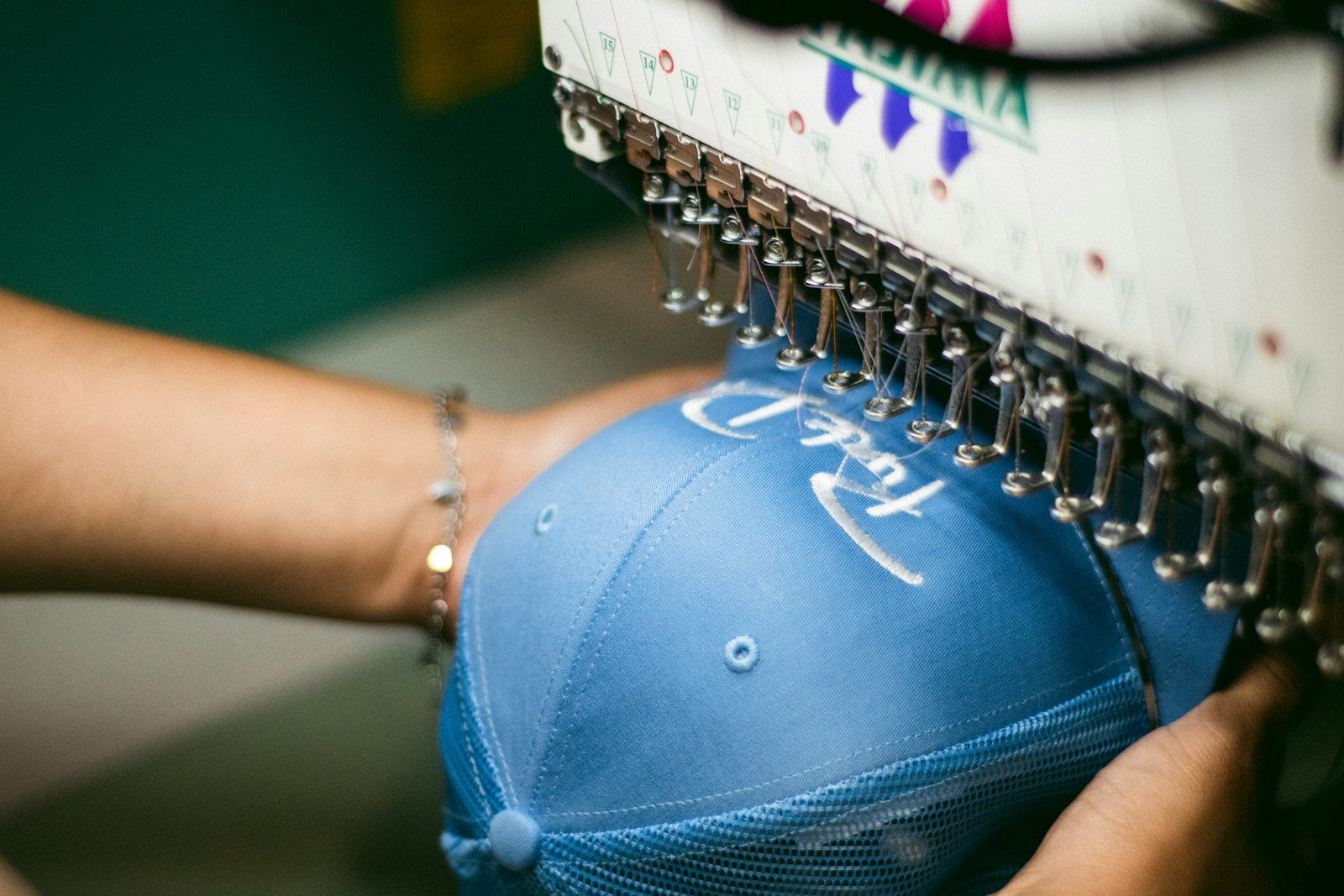
Write down four things on the first order and the problem goes away: the blank by style number and the manufacturer’s colour name, not “black”; the method; the thread or ink colour references; and the placement and print size. We keep it on file and reuse the stitch file and artwork on every reorder, so a top-up skips setup; keep your own copy too. Hold the merch design steady for a year and change the colourway rather than the logo. How to reorder company uniforms so they match covers the whole system, including what to do when a blank is discontinued.
Screen printing, DTF or embroidery for each gym order
These are different tools, not competing products, and the three gym orders map onto them cleanly.
| Method | Typical gym order | Practical minimum | Colour handling |
|---|---|---|---|
| Screen printing | Challenge and race-day tees by the hundred, a proven merch design in 1–2 colours | ~6 pieces | Priced per colour; brightest ink on coloured shirts |
| DTF | Twelve-piece merch tests, coach tees with a name, full-colour art, performance polyester | 1 piece | Unlimited colours, every shirt can differ; no setup fee |
| DTG | One-offs and the softest hand on a cotton merch tee | 1 piece | Unlimited colours; flat per-piece price |
| Embroidery | Coach polos, caps, toques, a wordmark on a heavyweight hoodie | Small runs fine | Thread colours; no gradients or tiny text |
Screen printing pushes ink through a stencilled mesh, one screen per colour, so it is cheapest by far at volume; the challenge tee and the proven merch design belong here. DTF prints the design onto a film that is heat-pressed onto the garment, so every shirt can differ at the same price; the twelve-piece test and the coach tee with a name on it belong here. Machine embroidery stitches the logo in thread, never cracks or fades in the wash, and cannot do gradients, photographs or text under about a quarter inch; the coach polo, the cap and the toque belong here.
Between twenty and fifty pieces the artwork breaks the tie: a two-colour wordmark goes to screen, a full-colour graphic or a different back on every shirt goes to DTF. The printing methods guide goes through all four in detail, and the t-shirt printing page lists what we run in-house.
What gym apparel costs, and shipping it from Ottawa to Toronto
Anyone quoting gym apparel from a single number is guessing, because five inputs move the price: blank, method, ink colours, print locations and quantity. A one-colour screen print on a standard cotton tee runs roughly $12–$18 each at 50 pieces and drops under $10 each in the hundreds. Full-colour DTF sits slightly higher per piece with no setup fee, so at twelve or twenty pieces the total is usually lower. Embroidery is priced by stitch count rather than colour, so keep the stitched logo small and clean. A hoodie costs more than a tee because the blank does. Every quote is free and includes a mockup, and custom t-shirt printing in Toronto uses the same anchors.
Standard turnaround on clothing is 1–2 weeks.Most apparel orders can rush, to 4–5 business days or 1–3 business days, priced at checkout, and every order shows the dates it will be ready before you pay. The clock starts only when the free mockup is approved and the order is paid. Then it is typically 1–2 days in transit from Ottawa to Toronto once the order leaves the shop. Shipping is quoted for your postal code and shown before you pay, and a gym with a studio in Etobicoke and another in Scarborough can run one order and split the boxes. It is printed in Canada, so no customs hold, no duty invoice, and nothing drop-shipped from overseas.
The calendar matters more than the price. A January challenge should be approved in early December, and holiday merch ordered in October, before the nicer fleece blanks sell down in November. It is late September now: the fall race season is under way, and a club that wants long-sleeves for the spring races has time if it decides before the new year.
A designer checks every file, and how to start your order
Every order is reviewed by a human designer before it goes to press. A person checks artwork resolution, colour, sizing and placement, and either fixes the file or tells you what is wrong; it is not an automated preflight. What arrives from gyms is usually a logo pulled from a social profile at a few hundred pixels wide, or a wordmark with a tagline too thin to stitch at cap size. We rebuild it as vector art, and a full redraw goes to the vectorization service. Then you see the result on a free mockup of the actual product before any payment. Nothing prints until you approve it.
Starting is simple. Tees, long-sleeves, hoodies, polos and caps build in the free online studio at yayaprints.ca/mockup-creator: upload the logo as a PNG, JPG, SVG or PDF, drop it on the real garment in the real colour, add the neighbourhood name or COACH in a print-quality font, enter sizes and quantities, and the price updates as you build. No account and no deposit. Toques, crewnecks, singlets, rash guards, window graphics and banners go through the free quote form or to order@yayaprints.ca, and we build the mockup for you. Call or WhatsApp 613-666-9292 if it is easier to explain out loud, in English or French.
Send all three orders in one message and we will price each on the right blank and method and ship them together. The gym and fitness apparel page is the short version of this article, custom hoodies in Toronto is the deeper read on the piece that sells, and if the gym also fields a team in a league, sports team apparel covers names and numbers.
Frequently asked questions
How much does custom gym apparel cost in Toronto?
Five inputs move the price: the blank, the method, the number of ink colours, the number of print locations and the quantity. A one-colour screen-printed tee on a standard cotton blank runs roughly $12–$18 CAD each at 50 pieces and drops under $10 each in the hundreds. Full-colour DTF sits slightly higher per piece with no setup fee. Embroidery is priced by stitch count, not by colour. Every quote is free and includes a mockup.
Do you have a shop or pickup location in Toronto?
No. We print and embroider everything in-house in Ottawa, Ontario and ship to Toronto and across the GTA. There is no storefront, pickup counter or local rep anywhere in the Toronto area. It is printed in Canada, so there are no customs holds or surprise duties and nothing is drop-shipped from overseas, and transit to Toronto is typically 1–2 days once the order leaves the shop. Shipping is quoted for your postal code and shown before you pay.
How long does a gym apparel order take to reach Toronto?
Standard turnaround on clothing is 1–2 weeks, counted from the moment you approve the free mockup and pay. Most apparel orders can rush — 4–5 business days or 1–3 business days, priced at checkout — and every order shows the dates it will be ready before you pay. Add typically 1–2 days in transit from Ottawa once the order leaves the shop. For a January challenge, approve the artwork in early December.
What is the minimum order for gym merch or coach shirts?
There is no minimum on DTF or DTG. We will print a single shirt, and the per-piece price does not jump because you only wanted one, which is what makes a twelve-piece merch test or two polos for a new coach a normal order. Screen printing starts around 6 pieces and becomes the best value past roughly 24–50 pieces. Embroidered polos, caps and toques are fine in small runs.
Can you print on performance polyester training shirts?
Yes. Both DTF and screen printing work on performance polyester, which is the right fabric for anything that will be sweated in. The catch is that polyester dye can migrate into the ink, so a polyester job is set up differently in the shop from a cotton one. We handle that; just tell us what the garment is made of, or pick the actual blank in the studio. Keep cotton for the merch wall, where softness matters more than wicking.
Should coach and staff shirts be embroidered or printed?
Split it by role. Whoever meets a new member at the desk gets an embroidered polo, because thread on a stable knit does not crack or fade and reads as a uniform. Whoever is on the floor gets a printed performance tee, because it is cheaper to replace when a coach leaves. Keep the base pieces logo-only so they can be reissued, and put names only on pieces for long-term staff. Embroidery is priced by stitch count, so keep the stitched logo small and clean.
Can I design gym merch myself, or do I have to email you?
You can. The free studio at yayaprints.ca/mockup-creator needs no account and no deposit: upload a logo as a PNG, JPG, SVG or PDF, place it on a real t-shirt, long-sleeve, hoodie, polo or cap in a real colour, add text in a print-quality font, pick sizes and quantities and order online with live pricing. Toques, crewnecks, singlets, rash guards, window graphics and banners are not built in the studio; send those through the quote form or to order@yayaprints.ca and we make the mockup for you. Either way a designer reviews the file.
Do you install window graphics or banners in Toronto?
No. We print window lettering, frosted film, perforated vinyl and banners in Ottawa and ship them to you; installation is local work for a sign installer in Toronto. Send the glass measurements and a photo of the storefront and we size the artwork to fit and ship it rolled. Banners need no installer: a vinyl or mesh banner hangs from its grommets and a stand-up banner comes with its own stand.
Design it yourself. A human designer still checks every order.
Our free studio gives you the price and the mockup in the browser. What it doesn't do is print your file blindly — every order is reviewed by a real designer before it reaches the press.
- Step 1You design it — free
Upload your logo, drop it on a real garment, set the size and placement, pick colours and quantities. No account, no deposit, no waiting on a reply.
- Step 2A human designer checks it
Before anything prints, one of our designers opens your file and checks resolution, colours, sizing and placement. If it won't print well, we fix it or tell you exactly what's wrong — a person, not an automated preflight.
- Step 3You approve, then we print
You get the corrected mockup back on the actual product. Nothing goes to press until you say yes — then it's ready in 1–2 weeks, or in 1–3 business days with a rush.
Price the coach shirts and the merch wall before you pay a cent
Drop your gym’s logo on a tee, a hoodie and a cap, pick two colourways, enter sizes and quantities and watch the price update. No minimum on DTF or DTG, screen printing from around 6 pieces, printed in-house in Ottawa and shipped to Toronto in 1–2 days once it leaves the shop.
Every order is reviewed by a human designer before it goes to press. A person checks artwork resolution, colour, sizing and placement, and either fixes the file or tells the customer what is wrong — it is not an automated preflight.