
How Much Does Embroidery Cost? 7 Price Drivers
How much does embroidery cost? The seven things that set the price of an embroidered logo, from stitch count and digitizing to the garment and quantity.
- How embroidery is priced
- By stitch count — the logo's size and density — and the number of placements, not by the number of thread colours. Digitizing is a one-time setup per logo.
- Volume pricing
- In the online design studio the per-piece price drops at 12, 24, 50 and 100 pieces, and every colour of the same garment in one order counts toward the same price break.
- Seeing the price
- The online studio shows the exact price before you pay. Every quote is free and includes a mockup.
- Digitizing
- A one-time setup per logo. The stitch file is kept and reused on every reorder.
- Turnaround
- Standard turnaround on clothing is 1–2 weeks. Most apparel orders can rush — 4–5 business days or 1–3 business days, priced at checkout — and every order shows the dates it will be ready before you pay.
- Minimum
- No minimum on embroidery: a single cap or jacket is a normal order.
- Large orders
- Orders in the hundreds are quoted directly — through the free quote form, by email or by phone.
The 7 things that set the price of embroidery
Every embroidery price is built from the same seven drivers. Here they are on one scale, from the one that moves the price most to the one that moves it least, for a typical left-chest order. Tap one to jump to its card.
Sets the base
Moves it most
Depends on the order
Fine-tunes it
Digitizing and rush move with the order: digitizing matters most on a single piece, a rush matters most on a tight date.
Quick picks: what are you pricing?
One logo, a few pieces
Staff uniforms
A big back design
An event next week
Reordering for new staff
Each embroidery price driver, one by one
What each driver is, how much it moves the price, and how to keep it down. The meter on each card shows its usual effect, four bars for the biggest.
3.5 in chest logo · to scale
How stitch count sets the price of embroidery
The logo's size × how densely it is filled
An embroidery machine sews one stitch at a time, so the work in a logo is its stitch count: how big it is, times how densely it is filled. A 3.5 in left-chest logo covers about a tenth of the area of an 11 in full back, drawn dashed beside it, so it takes a fraction of the stitches and machine time.
Density counts as much as size. A solid-filled crest takes far more stitches than an outlined one of the same width. Dropping a tagline, outlining instead of filling, or stitching a little smaller all lower the count.
How much the garment adds to embroidery cost
Polo, cap, hoodie, jacket or workwear
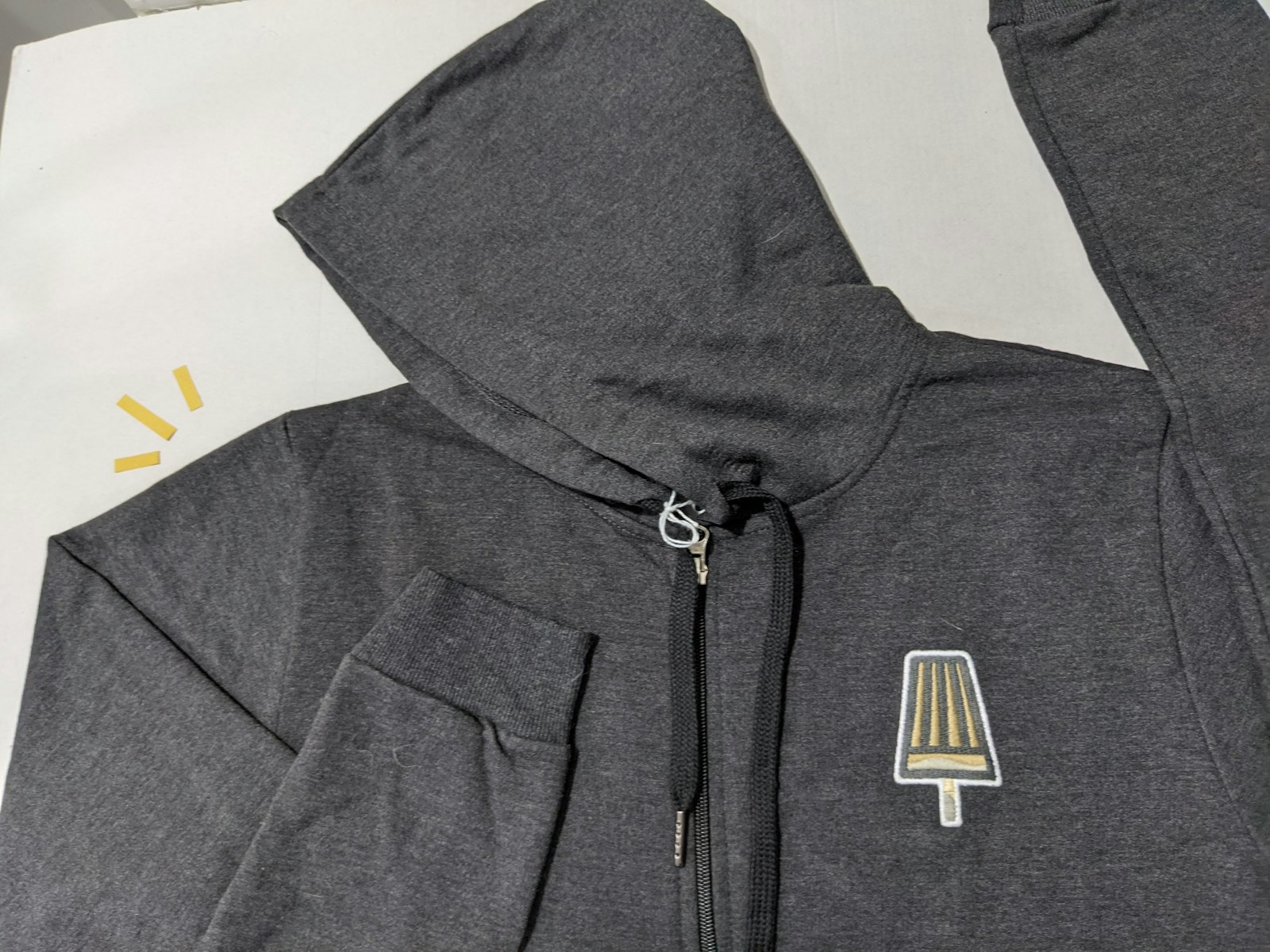
The embroidery is added to a garment, and the garment is a large part of the price. A heavy canvas work jacket or a softshell costs more to buy than a polo, so the same chest logo finishes at a different price on each. Sizes 2XL and up cost a little more per piece, because the bigger blanks do.
Lightweight t-shirts are the exception: dense stitching distorts thin fabric, so a t-shirt logo is better printed. See embroidered hoodies for how fleece takes a stitched logo.
Does a second logo placement cost more?
Chest, sleeve, cap front, back
Yes. Each placement is its own design and its own run on the machine, so a left chest plus a 3 in sleeve logo costs more than the chest alone, and a full back adds the most because it is also the biggest. In the online studio the price per piece updates as you add or remove a placement, so you can see what each one adds before you order.
Embroidery price breaks at 12, 24, 50 and 100
Per-piece price drops at 12 · 24 · 50 · 100
In our online studio the per-piece price drops at 12, 24, 50 and 100 pieces, and every colour of the same garment in one order counts toward the same break: 8 navy polos and 4 white ones are a 12-piece run. Youth hoodies count with the adult ones. Different garments reach their own breaks, so polos and caps are counted separately.
There is no minimum, so a single piece is a normal order. Orders in the hundreds are quoted directly; our guide to bulk and corporate embroidery covers planning one.
How much does embroidery digitizing cost?
One-time, per logo
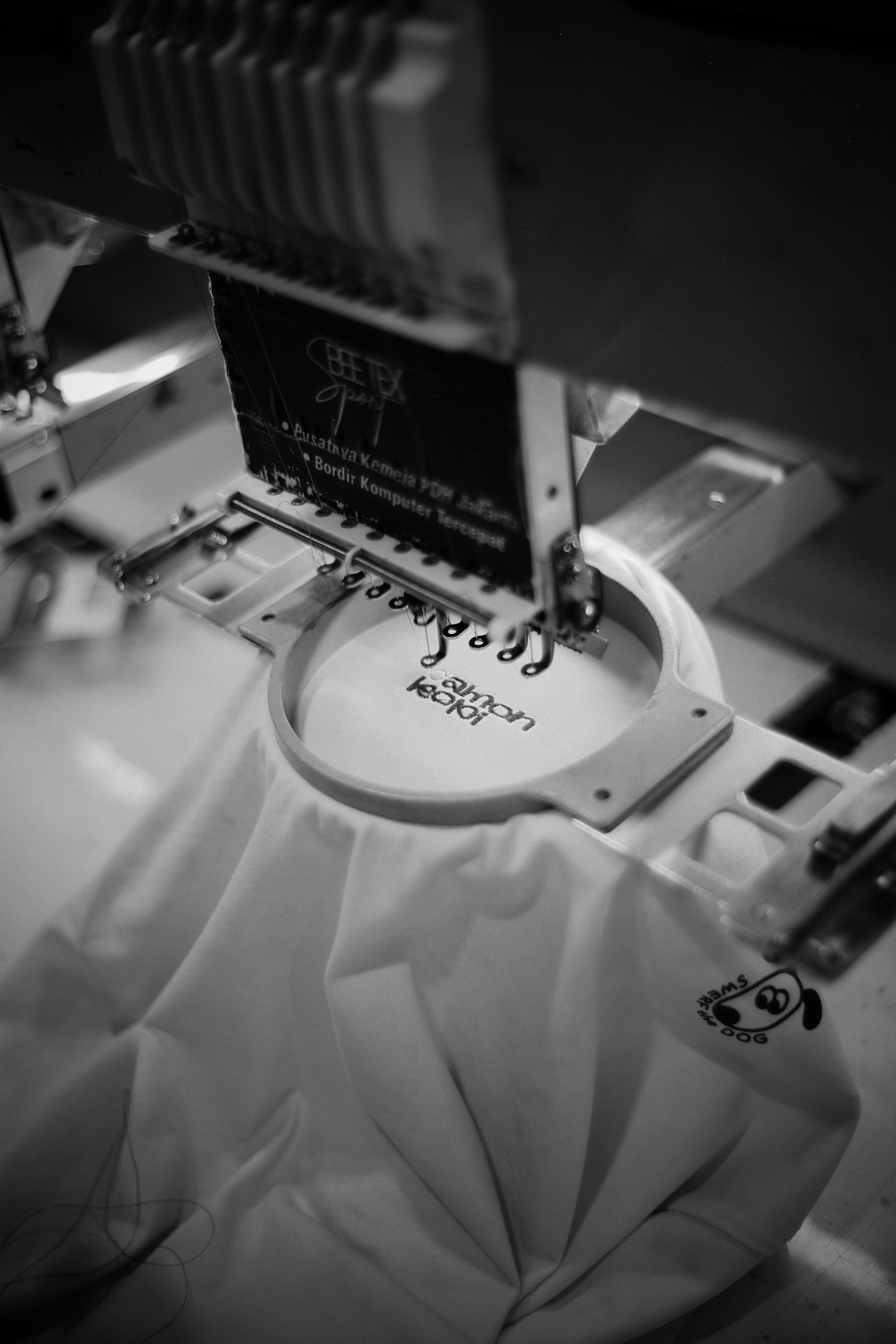
Digitizing turns your logo into the stitch file the machine runs: every stitch's path, direction and density, and the order the colours go down. It is a one-time setup per logo. The file is kept, so a reorder of three pieces months later skips it entirely.
That is why its effect depends on the order: spread over one piece it is a noticeable share, spread over a hundred it barely registers. A logo stitched at two very different sizes, like a 3.5 in chest and an 11 in back, may need a file for each.
Does rush embroidery cost more?
Standard 1–2 weeks · rush 4–5 or 1–3 business days
Standard turnaround is 1–2 weeks and adds nothing. Most orders can rush, in 4–5 business days or 1–3 business days, priced at checkout as a share of the order that steps down as the order grows. Every order shows the dates it will be ready before you pay. The 1–3 day rush is offered up to the number of pieces the shop can clear that fast, so a very large order may only show the 4–5 day option. More in same-day embroidery.
Do caps, fleece and pique cost more to embroider?
Caps · fleece · pique · knit toques
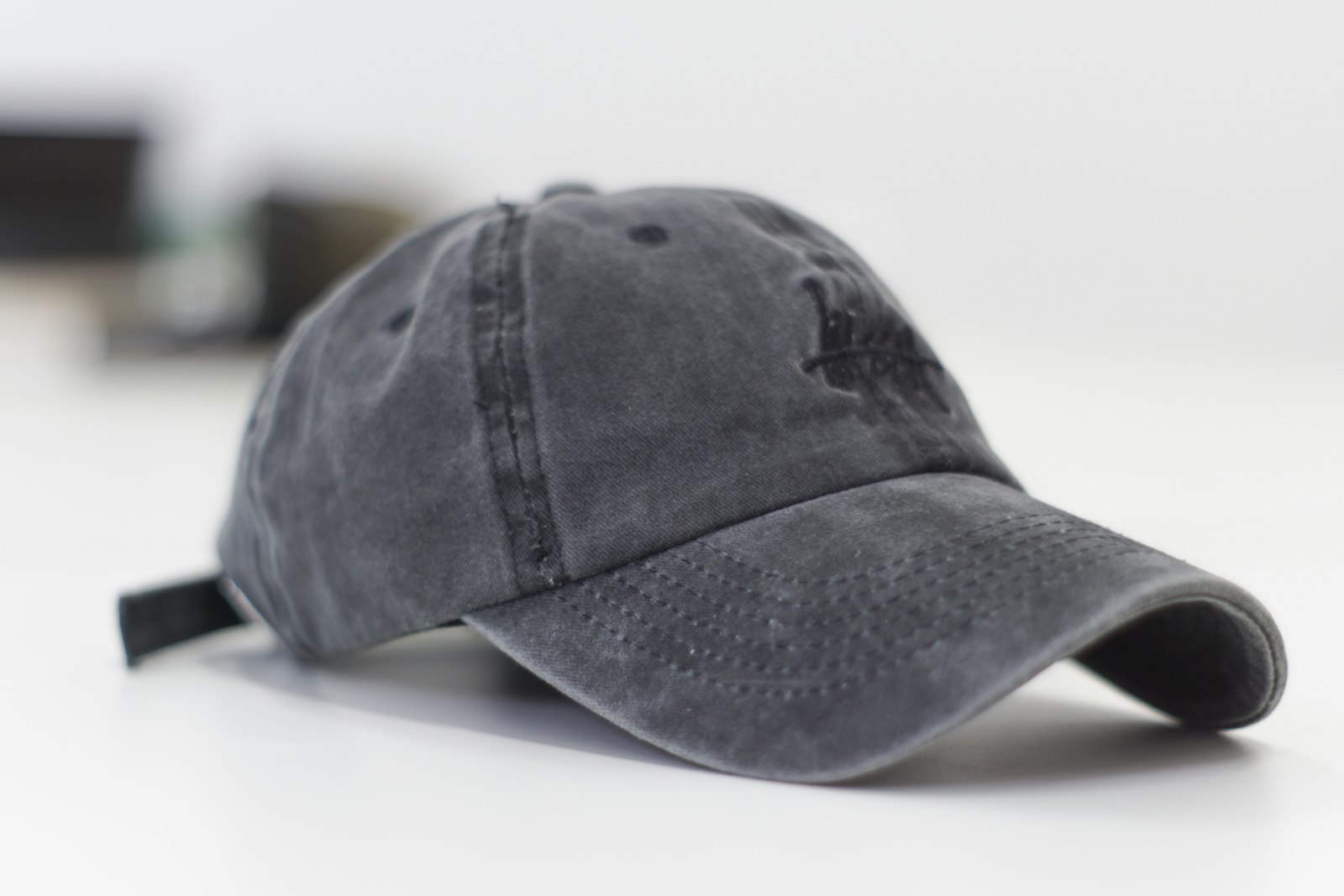
Some fabrics take more care. A cap is stitched on a curved front panel, so its logo is digitized for that panel, and a soft unstructured cap like this one holds stitches less flat than a structured one. Fleece and stretch knits move under the needle, and pique, the textured knit on many polos, can swallow hairline strokes, so they get thickened. Most of that is handled in digitizing, so its effect on the price per piece is small next to size, garment and quantity.
12 · 24 · 50 · 100
Studio price breaks
Once
Digitizing per logo
~10×
Back vs chest logo area
1–2 wks
Standard turnaround
Why embroidery is priced by stitches, not colours
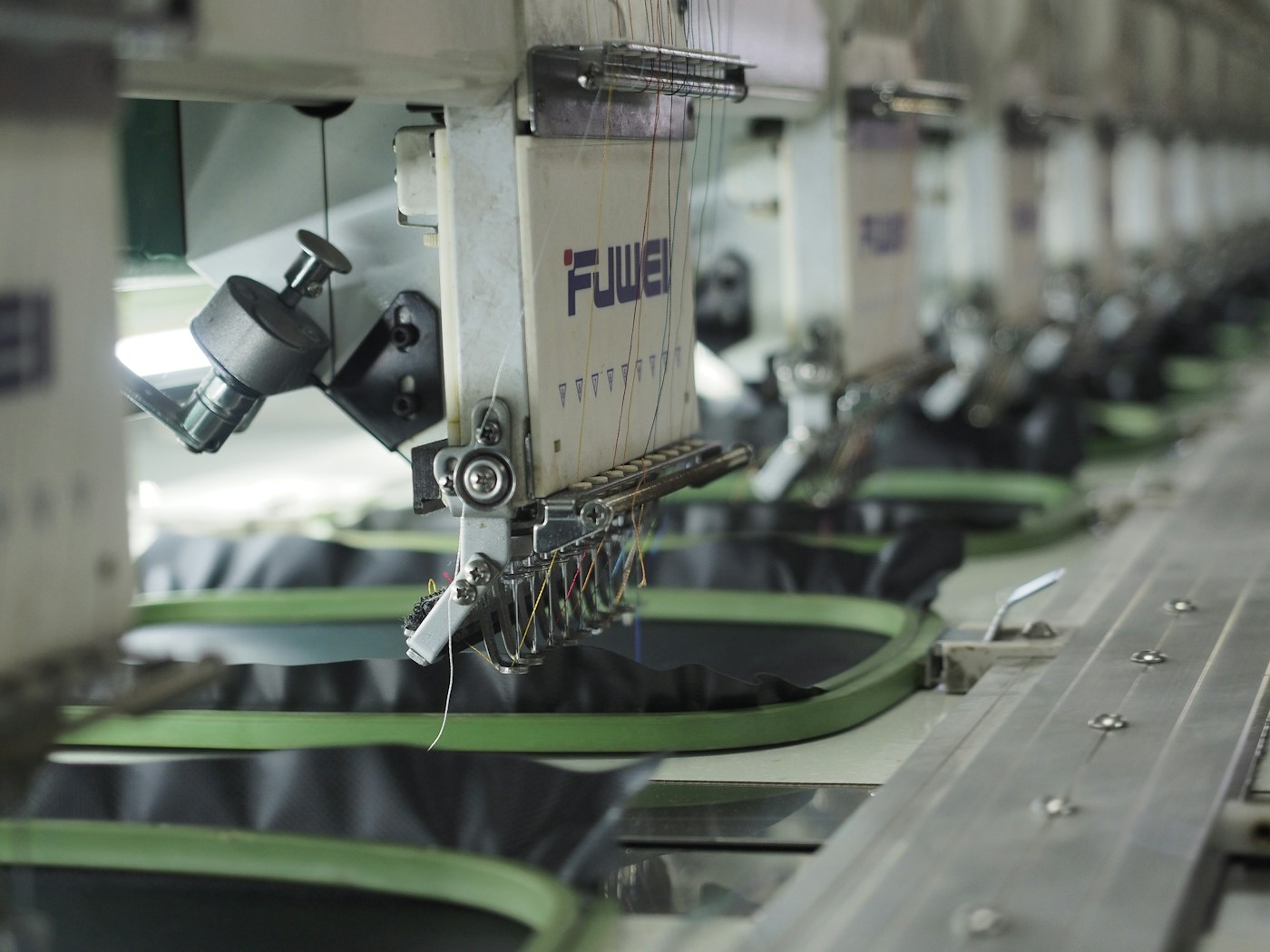
Screen printing is priced by colours because every ink colour needs its own screen, set up before the run. Embroidery works differently. A multi-needle machine holds a different thread on each needle and switches between them as it goes, so an extra colour is just another thread change. What takes time is sewing the stitches, one after another, so the stitch count is what the price follows.
| Screen printing | Embroidery | |
|---|---|---|
| Priced by | Ink colours and print locations | Stitch count and placements |
| Setup | A screen per colour, each run | Digitizing, once per logo |
| One more colour | Another screen | Another thread on the machine |
| Bigger, denser logo | More ink | Many more stitches and machine time |
| Small reorder | New setup each run | Setup already done |
In our online studio, the number of thread colours does not change the price at all; the size of the logo and the number of placements do. Our side-by-side of screen printing vs embroidery shows when each method is the better buy.
Is there an embroidery price list?
Not a fixed one, and a printed price list would mislead you. The same logo costs a different amount on a cap and on a softshell, at 3.5 in and at 11 in, on 6 pieces and on 60. A list that covered every combination would run to pages, and a list that didn't would be wrong for most orders.
The online design studio works as a live price list instead: pick the garment, place your logo, choose embroidery and enter the quantities, and the per-piece price and the total show before you pay, including the drop at each break. For anything the studio doesn't cover, a free quote gives you the same: an exact price and a mockup. To get an exact quote, send:
- The logo, as a vector or a high-resolution PNG.
- The garments, with the colours and the quantity in each size.
- The placements, for example left chest only, or chest plus sleeve.
- The date you need them, so the quote shows whether standard or a rush gets there.
How to lower the cost of embroidery
Every one of these cuts the price without making the result look cheaper:
- Keep the chest logo at 3.5 in. It is the standard size for a reason: big enough to read, a fraction of the stitches of a large design.
- Outline instead of fill. An outlined crest takes far fewer stitches than a solid one of the same width.
- Drop the tagline. It would fall under the quarter-inch detail floor anyway, and it costs stitches.
- Choose one placement. A clean left chest often beats chest plus sleeve; add the second spot only where it earns its place.
- Combine colours of one garment. Navy and white polos in the same order count toward the same break at 12, 24, 50 or 100.
- Print the back, stitch the front. A stitched chest with a printed back gets the premium look up close for a lower price.
- Plan for the standard 1–2 weeks. A rush is there when you need it, but it is priced on top.
Our logo embroidery guide shows how to adapt a logo for thread, and embroidery vs a printed logo on polos compares the two finishes on the most common uniform garment.
Frequently asked questions
How much does it cost to embroider a logo on a shirt in Canada?
It depends on the garment, the logo's stitch count (its size and density), the number of placements and the quantity. A standard left-chest logo is 3.5 inches wide, about a tenth of the area of a full back. Our online studio shows the exact per-piece price before you pay, with breaks at 12, 24, 50 and 100 pieces, and quotes are free.
Why is embroidery priced by stitch count instead of colours?
Because the machine's time goes into sewing stitches, one after another. A multi-needle machine holds a different thread on each needle and switches between them as it runs, so an extra colour adds little, while a logo twice as big or twice as dense takes far more stitches. In our studio the number of thread colours does not change the price.
How much does embroidery digitizing cost?
Digitizing is a one-time setup per logo: the stitch file is made once, kept and reused on every reorder, so you do not set up the same logo twice. Its share of the price is noticeable on a single piece and small across 100. A logo stitched at two very different sizes, such as 3.5 and 11 inches, may need a file for each.
Is there an embroidery price list?
Not a fixed one, because the price changes with the garment, logo size, placements and quantity. Our online design studio works as a live price list: choose the garment, place the logo, enter quantities and the exact price shows before you pay, dropping at 12, 24, 50 and 100 pieces. Quotes for anything else are free.
Does embroidery get cheaper in bulk?
Yes. In our studio the per-piece price drops at 12, 24, 50 and 100 pieces, and every colour of the same garment in one order counts toward the same price break. Orders in the hundreds are quoted directly, through the free quote form, by email or by phone.
Does rush embroidery cost more?
Yes, but only if you choose it. Standard turnaround is 1–2 weeks with nothing added. Most orders can rush in 4–5 business days or 1–3 business days, priced at checkout, and every order shows the dates it will be ready before you pay.
Design it yourself. A human designer still checks every order.
Our free studio gives you the price and the mockup in the browser. What it doesn't do is print your file blindly — every order is reviewed by a real designer before it reaches the press.
- Step 1You design it — free
Upload your logo, drop it on a real garment, set the size and placement, pick colours and quantities. No account, no deposit, no waiting on a reply.
- Step 2A human designer checks it
Before anything prints, one of our designers opens your file and checks resolution, colours, sizing and placement. If it won't print well, we fix it or tell you exactly what's wrong — a person, not an automated preflight.
- Step 3You approve, then we print
You get the corrected mockup back on the actual product. Nothing goes to press until you say yes — then it's ready in 1–2 weeks, or in 1–3 business days with a rush.
Get an exact embroidery price
Place your logo on the garment in the free studio and see the price before you pay, or send the logo, garments and quantities for a free quote with a mockup.
Every order is reviewed by a human designer before it goes to press. A person checks artwork resolution, colour, sizing and placement, and either fixes the file or tells the customer what is wrong — it is not an automated preflight.