
Custom T-Shirt Printing in Halton Region: Oakville, Burlington, Milton and Georgetown Without the Drive Downtown
Halton people drive the QEW for everything, but printed shirts should not be one of them. What Oakville’s big youth clubs, Burlington’s Brant Street businesses, Milton’s warehouses and schools, and Georgetown’s main street actually order, when screen printing beats DTF, real per-shirt pricing, the 1–2 week standard turnaround with rush tiers, and how an Ottawa shop gets a free mockup to your inbox and boxes to Halton in 1–2 days once they leave the shop.
- Minimum order
- None on DTF or DTG — we will print a single shirt. Screen printing starts around 6 pieces and becomes the best value past roughly 24–50 pieces.
- Typical cost
- Roughly $12–$18 CAD per screen-printed tee at 50 pieces, dropping under $10 each in the hundreds. Full-colour DTF sits slightly higher per piece with no setup fee. Embroidery is priced by stitch count, not by colour.
- Turnaround to Halton
- Standard turnaround on clothing is 1–2 weeks. Most apparel orders can rush — 4–5 business days or 1–3 business days, priced at checkout — and every order shows the dates it will be ready before you pay. Then typically 1–2 days in transit from Ottawa once the order leaves the shop.
- Artwork check
- A human designer reviews every order before it goes to press — resolution, colour, sizing and placement — and either fixes the file or tells you what is wrong. Not an automated preflight.
- Design it yourself
- Free online studio at yayaprints.ca/mockup-creator. No account, no deposit, real garments and colours, and the price updates as you build it.
- Four Halton towns
- Oakville sends youth-club rosters and QEW office polos; Burlington sends Brant Street staff tees, plant workwear and festival crews; Milton sends school spirit wear and 401 warehouse crew tees; Halton Hills sends main-street shops, the fall fair and the trades.
- Where it is printed
- In-house in Ottawa, Ontario, then shipped to Oakville, Burlington, Milton and Halton Hills. No storefront, pickup or local rep in Halton, the GTA or Hamilton. Printed in Canada, so no customs holds or surprise duties.
Who orders custom shirts across Halton Region
Halton is four municipalities that behave like four markets, and the orders that reach us from it prove the point. Oakville sends youth-club rosters and office polos. Burlington sends kitchen staff tees, plant workwear and festival crews. Milton sends spirit wear for schools that did not exist five years ago and crew tees for the warehouses along the 401. Halton Hills sends the small-town mix: main-street shops, the fall fair and the trades who leave Georgetown at 6 a.m. A printer that quotes all four the same way gets at least two of them wrong.
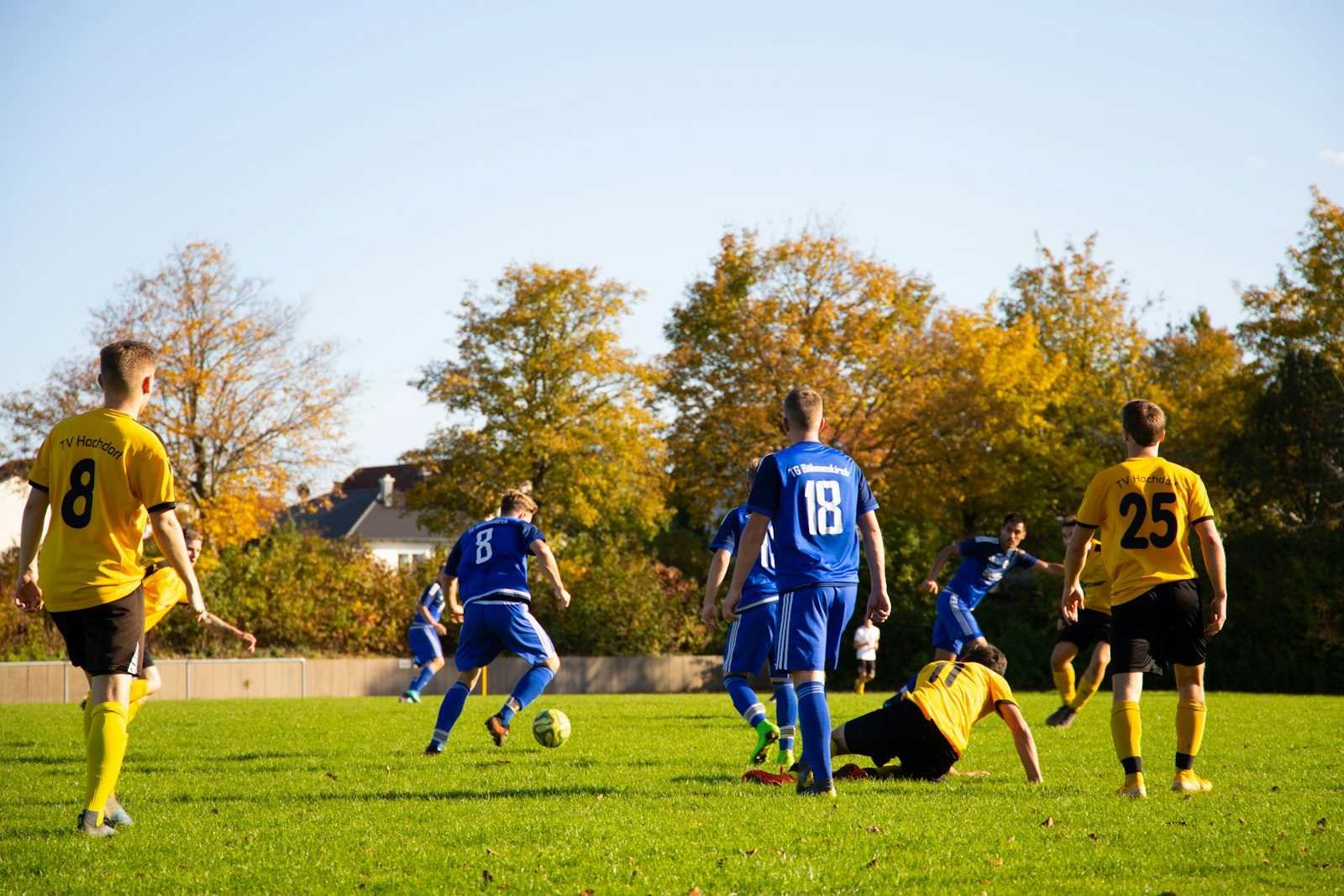
What the four share is geography and a habit. Everyone in Halton lives along the QEW or the 401 with Toronto to the east and Hamilton to the west, and everyone has learned that anything specialised means a drive. Printed shirts are one of the few purchases where that habit is wrong, and this article is organised around that: the drive first, then each town in turn, then the parts that are the same for everyone, which are method, cost, shipping from Ottawa and the check a person does on your file before anything prints. If you want the region-wide comparison rather than one shop’s view, where to print custom shirts in the GTA covers every corner of it, this one included.
Nobody in Halton should drive to Toronto for printed shirts
Anyone who has taken the QEW east at eight in the morning knows what a visit to a printer in Mississauga or Etobicoke costs: an afternoon, most of it stationary. A shirt does not need you in the room. It needs your artwork, your sizes and your approval, and all three travel better over the internet than you travel down the highway.
Let us be plain about what we are, once, so nobody is surprised later. YAYA Prints prints in-house in Ottawa, Ontario. There is no storefront, counter or pickup in Oakville, Burlington, Milton or Georgetown, none anywhere in the GTA or Hamilton, no delivery van and no local rep. If your plan depends on someone collecting a box from a counter this afternoon, a walk-in shop is the right answer and we will say so. What you get instead is the whole job done without leaving Halton: a free digital mockup on the actual product arrives before any payment, you approve it on your phone, a person checks the file, and the boxes land on a doorstep in Bronte or Georgetown South. Everything is printed in Canada and nothing is drop-shipped from overseas, so there is no customs hold and no surprise duty invoice the week of the tournament.
Transit is the small cost of the arrangement: typically 1–2 days from Ottawa once the order leaves the shop, on the same courier lane as Mississauga next door and Hamilton across the bay. Shipping is quoted for your postal code and shown before you pay. Our Mississauga guide and Hamilton guide cover those two cities, and the Durham Region guide makes the same argument for the east end of the GTA, where the drive is longer and the instinct is identical. If a crew or a club spans a boundary, with one bench in Burlington and one in Hamilton, run it as one order and ask for the boxes to be split: one production run, one colour match, one price break.
Oakville: big youth clubs, QEW offices and Lakeshore Road shops
Oakville runs on youth sport. The soccer and hockey clubs drawing from Bronte, Glen Abbey, River Oaks and West Oak Trails are among the largest in the country, and a club that size is not one order; it is a hundred small ones landing in the same two windows. Winter rosters were registered this month, so the bench-gear requests are arriving now, and the spring soccer wave follows in April. Every roster wants the same thing: a crest on the front, a name and a number on the back, a coach set, and a parent who needs four more in adult sizes for the stands.
Names and numbers are a digital job, done by DTF, because every variation is free and no screen has to be made per player. Send one row per player with size, name spelled exactly as it should print, and number, and have a second parent check the spelling; the names and numbers guide gives the format. Printed bench gear, meaning warm-up tees, hoodies, parent shirts and coaching polos, is what you can build tonight in the online studio, which has sports-number fonts built in and youth tees and youth hoodies beside the adult sizes. Sublimated game jerseys are a different product, quoted by hand through the quote form, and running both as one order keeps the crest matching between the jersey and the bench tee. Custom sports team apparel in Toronto covers a whole-club order rather than one team.
The office side is the other Oakville. The corporate parks around the QEW and Winston Park and the firms along Cornwall Road order the way head offices order everywhere: a printed onboarding tee for the whole floor, an embroidered polo for the people who meet clients, a quarter-zip for the field staff on a quote. The count is rarely large and the expectation of quality is, and the most common correction we make on an office order is shrinking a left-chest logo that was sized like a back print. Then Lakeshore Road, the Old Oakville shops and the Bronte Harbour patios: ten to thirty staff tees, or a volunteer run for a lakeside festival weekend, ordered by somebody doing it on top of a real job. There is no minimum on DTF, so the boutique that wants twelve shirts is not told to come back with fifty. The Oakville page has the neighbourhood detail.
Burlington: Brant Street kitchens, Aldershot plants and lakeside festival crews
Burlington sits on the lake between Hamilton and Oakville, and its orders borrow from both neighbours. Downtown, the food-and-drink stretch along Brant Street orders staff tees, embroidered polos and aprons in small, personality-driven runs. A kitchen of eight and a front-of-house of six is a normal Burlington order, and DTF makes the reorder cheap when two servers leave in October, because there is no setup to repeat. Aprons are not something the studio builds, so size the logo on a tee in the studio and order the aprons on a quote alongside it.
Out by the QEW and the 403, and in Aldershot toward the bay, the manufacturers and aerospace shops order the workwear pile: a chest logo and a back print on tees and hoodies for the floor, embroidered polos for the office, a size run past 2XL, and a reorder in six months when the crew turns over. That buyer cares about durability and the reorder far more than about the print being clever, and the advice is boring and works: pick a mainstream blank with a stable colour range, put the logo where a vest will not hide it, and use screen printing or DTF for the floor and embroidery for the office, so the supervisor’s polo and the labourer’s tee read as one company.
Then there is the lakeside calendar. Spencer Smith Park hosts the summer festivals, and festival crews order the way festival crews order everywhere: a hundred or more volunteer shirts in one or two colours, a bright tee that reads as “crew” from across a field, and a date fixed by the permits months ago. Use one shirt colour and print the role on the back rather than four shirt colours for four roles, which turns one job into four; how to organize a group apparel order has the counting rules. Millcroft, Headon Forest, Alton Village and The Orchard supply the minor-sports and school-fundraiser orders on the same seasonal clock as Oakville’s clubs, and the Burlington page carries the rest.
Milton: new schools, 401 warehouses and a roster every season
Milton is one of the fastest-growing towns in the country, and the order book shows it. Hawthorne Village, Coates, Harrison, Scott and Dempsey filled with families inside a decade, which means schools opening with no spirit wear yet, a youth soccer and minor hockey population that grows at every registration, and a Main Street of new businesses that need their first twelve staff shirts. Old Milton anchors the small-shop end, and the cycling crowd around the velodrome and Kelso adds club tees to the pile.
Schools order on the school-year calendar, and the buyer is a teacher or a parent-council member doing it on top of a real job: spirit wear in September, grad hoodies for the Class of 2027 ordered through the fall, spring teams, the June grad tee. Grad hoodies with individual names are a digital job, so every hoodie can differ at one price. School spirit wear in Toronto walks the whole calendar, custom grad and team hoodies settles the weight, fit and where-the-names-go questions, and the school spirit wear page covers the standard setups. Youth tees and youth hoodies are in the studio, so a spirit-day tee can be mocked up on the real garment before the parent council meets.
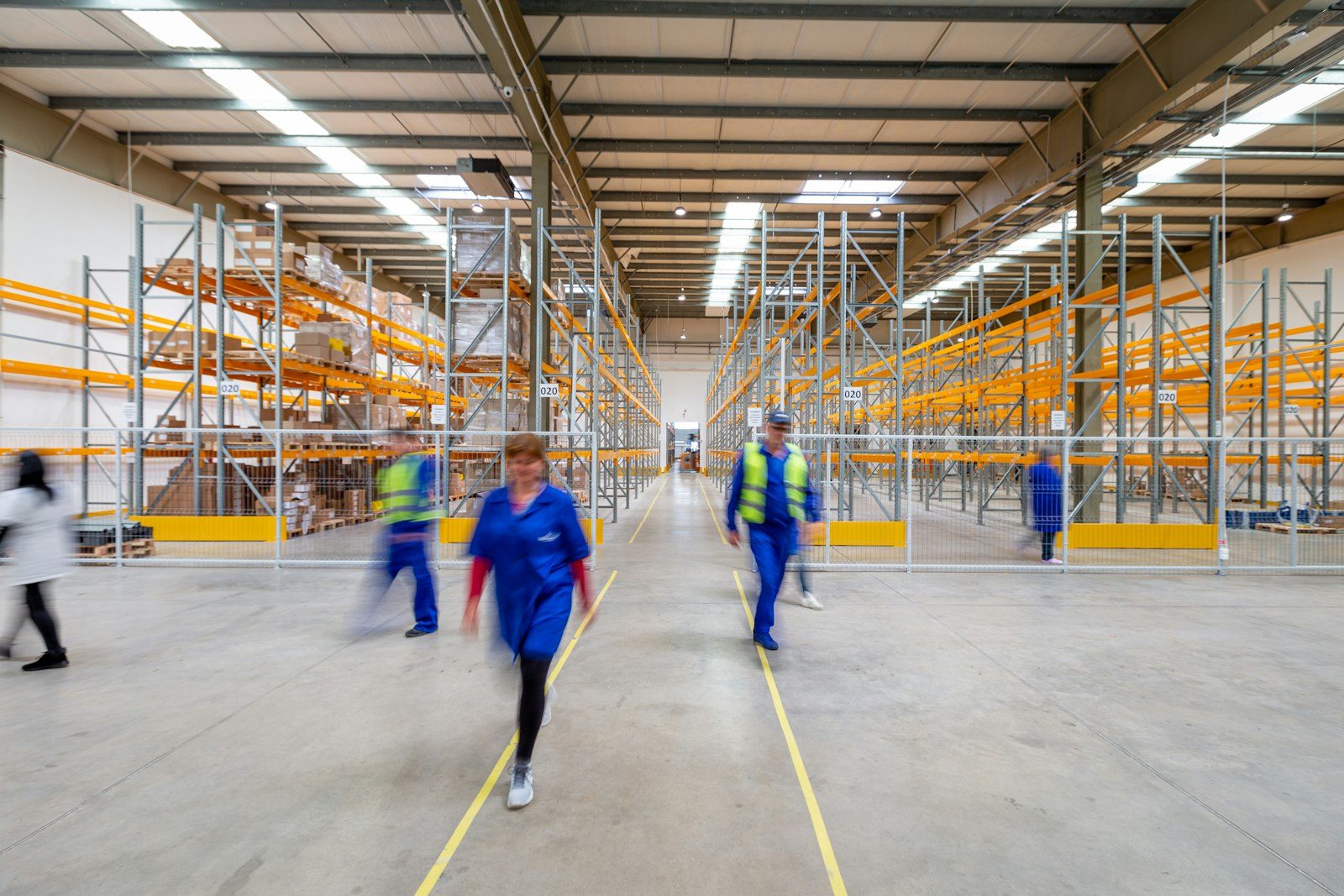
The 401 and 407 corridor is the other Milton. The logistics warehouses along it order crew tees by the forty, in a size run that does not follow a retail curve, with a reorder every quarter as staff turn over, and many of them want hi-vis. Hi-vis has one rule that catches people out every time: the CSA Z96 rating belongs to the garment as it was made. We decorate certified blanks, we do not certify anything, and print and embroidery stay off the reflective tape. Hi-vis is not something the studio builds; it goes on a quote with the garment named, and you see the placement on a mockup of that exact product before anything is charged. Custom hi-vis clothing, the hi-vis workwear guide and custom workwear and hi-vis for the Toronto area cover styles, placement and the reorder plan. Youth soccer and minor hockey order the Oakville way, and the timing advice is identical: the roster three weeks before the first game makes everything relaxed. The Milton page has the rest of the local detail.
Halton Hills: Georgetown, Acton, two main streets and the trades
Georgetown and Acton are small towns with their own main streets, and they order like small towns. Main Street in Georgetown and Mill Street in Acton carry the shops, cafes and salons that want branded staff tees and embroidered aprons in runs of six to twenty. The community theatre in Georgetown orders cast and crew shirts for every production, the fall fair puts volunteer tees on a lot of people in one weekend, and the industrial pockets off Guelph Street and out toward the 401 hold manufacturers and machine shops that order embroidered work polos and hoodies with names on the chest.
Trades are the biggest single buyer, and they leave town at 6 a.m. Landscapers, roofers, electricians and the contractors who work all over Halton and into Peel want gear a crew will actually keep wearing: a heavyweight fleece hoodie with the logo on the chest and the phone number across the back, a tee for July, a cap for the estimator. Embroidery holds up to a work week better than a print does, so the pattern that works is a stitched left chest on the polo and the hoodie with printed tees underneath; custom embroidery in Toronto explains what embroidery does and does not do well, and landscaping uniforms goes trade by trade.
Minor hockey, lacrosse and soccer families order bench jackets and tournament shirts around the Georgetown sportsplex and the Acton arena. Jackets are a quote; the tournament tees and the parent hoodies are a studio job. Glen Williams, Norval, Limehouse and Stewarttown sit on the same courier route as Georgetown South, and a courier does not notice that the drive from Acton to a Toronto printer is an hour each way. The Halton Hills page has the rest.
Screen printing, DTF or embroidery, and what each costs in Halton
Quantity and artwork pick the method almost every time, and the four Halton buyers map neatly onto three methods.
| Method | Typical Halton order | Practical minimum | Colour handling |
|---|---|---|---|
| Screen printing | Festival volunteer runs, spirit days, crew tees in 1–3 bold colours | ~6 pieces | Priced per colour; brightest ink on coloured shirts |
| DTF | Rosters with names and numbers, a Brant Street kitchen’s staff tees, full-colour art | 1 piece | Unlimited colours, every shirt can differ; no setup fee |
| DTG | One-offs and the softest hand on cotton | 1 piece | Unlimited colours; flat per-piece price |
| Embroidery | Office polos, trade hoodies, caps; aprons on a quote | Small runs fine | Thread colours, priced by stitch count; no gradients or tiny text |
Screen printing pushes ink through a stencilled mesh, one screen per colour, which is why it has a cost floor at small counts and a very low ceiling at large ones; over roughly fifty shirts with a simple design it is the answer, and nothing else looks as solid on a bright volunteer tee. DTF prints the design onto a film that is heat-pressed onto the garment, so there is nothing to set up and every shirt can be different at the same price; under about twenty pieces, or whenever names change per shirt, it wins. Machine embroidery stitches the logo in thread, never cracks or fades in the wash, and is the wrong tool for fine detail, gradients or text under a quarter inch; it is what the office polo and the trade hoodie want.
On price, anyone quoting custom shirts in Oakville or Burlington from a single number is guessing, because five inputs move it: the blank, the method, the number of ink colours, the number of print locations and the quantity. The honest anchor: a screen-printed t-shirt runs roughly $12–$18 CAD each at 50 pieces and drops under $10 each in the hundreds. Full-colour DTF sits slightly higher per piece with no setup fee, so on a fifteen-player roster or a dozen cafe tees the total is usually lower. Embroidery is priced by stitch count, not by colour, so a small clean left-chest logo is affordable and a large detailed one is not. Every quote is free and includes a mockup. Bulk t-shirt printing across the GTA shows where the volume breaks land, and if the shirt is a school or club fundraiser the maths is simple: a tee that costs under $10 in the hundreds sells for two to three times that.
The lever most people pull wrong is the blank. If the budget is tight, drop a print colour before you drop to a thinner shirt; a clean one-colour print on a standard cotton tee outlasts a full-colour print on something papery, and a plant-floor tee that pills after ten washes gets replaced. Ask any shop for the style number and fabric weight in the quote, because two quotes are only comparable if they are for the same shirt. You can watch the number move yourself in the studio as you change garment, quantity and colours.
Shipping to Halton, and sizing the run so you order once
Standard turnaround on clothing is 1–2 weeks. Most apparel orders can rush — 4–5 business days or 1–3 business days, priced at checkout — and every order shows the dates it will be ready before you pay. The production clock starts only when two things have both happened: you have approved the free mockup, and the order is paid. Not when you first email, and not when the sizes are “almost in”. Then it is typically 1–2 days in transit from Ottawa once the order leaves the shop, with shipping quoted for your postal code and shown before you pay. For a tournament in Oakville or an opening on Brant Street, three weeks of runway is comfortable; tighter than that is a rush conversation to have before you order, not after, and we would rather lose the job than take it and miss the date.
The delays that actually happen are almost never the printing. They are a logo that turns out to be a screenshot, a size list still living in a group chat, and an approval sitting unread in a team manager’s inbox for four days. Lock those three and almost any date works.
Sizing is where the reorder gets expensive. Collect real sizes on one form with one deadline and one person chasing it. Where you cannot collect them, for a festival crew or a spirit day, order a fixed spread weighted toward medium, large and extra-large and add spares in those three. If you need 44 and the price improves at 50, the extra six may cost almost nothing per piece. Then plan the reorder in round one, because a crew shirt, a team shirt and a staff polo are all subscriptions you did not know you signed up for: we keep your approved artwork and setup on file so the second run matches the shirts already in the building, and if the logo only exists as a JPG off a website our vectorization service rebuilds it once, permanently. How to reorder company uniforms has the full process.
A human checks the file, and how to start the order
What makes ordering from a shop four hundred kilometres away safe is not the preview. It is what happens after you click order. Every order is reviewed by a human designer before it goes to press. A person checks artwork resolution, colour, sizing and placement, and either fixes the file or tells you what is wrong. It is not an automated preflight that passes anything above a file-size threshold.
That matters because of what actually arrives from Halton, which is rarely print-ready art: a club crest as a screenshot from a registration page, a cafe logo pulled off the website at 300 pixels wide, a school crest that only exists as a scan, a roster with two number sevens, a left-chest logo sized like a back print. We clean those up or redraw them as vector art, then show you the result on a free digital mockup on the actual product before any payment. Nothing prints until you approve it, and if a file cannot carry the size you want, you hear that before you pay rather than see it on two hundred shirts at the fair.
Starting is simple. Decide roughly how many shirts and how many colours, then drop your logo on a real garment in the free studio at yayaprints.ca/mockup-creator: upload a PNG, JPG, SVG or PDF, place it on a real t-shirt, long-sleeve, hoodie, polo, cap, onesie or youth tee in a real colour, add print-quality text with sports-number fonts included, pick sizes and quantities, and the price updates as you build. No account, no deposit, and you can order right there. For jerseys, jackets, aprons, hi-vis and anything else the studio does not build, use the free quote form, email order@yayaprints.ca, or call or WhatsApp 613-666-9292, in English or French. Approve the mockup, pay, and the boxes arrive in Oakville, Burlington, Milton or Georgetown without anyone seeing the QEW. That is the point of t-shirt printing done this way; where to print custom shirts in the GTA is the fair comparison if you want one, and business uniforms is the starting point for an office programme.
Frequently asked questions
Do you have a shop in Oakville, Burlington, Milton or Georgetown?
No. We print in-house in Ottawa, Ontario and ship to every Halton postal code. There is no storefront, counter or pickup anywhere in Halton, the GTA or Hamilton, no delivery van and no local rep. In exchange you get a shop that handles the whole job remotely: a free digital mockup on the actual product before any payment, a human designer checking the file, printing in Canada with no customs holds or surprise duties, and typically 1–2 days in transit from Ottawa once the order leaves the shop. Shipping is quoted for your postal code and shown before you pay.
How much does custom t-shirt printing cost in Oakville or Burlington?
It depends on the blank, the method, the number of ink colours, the number of print locations and the quantity, so treat any single number with suspicion. As a realistic anchor, a screen-printed t-shirt runs roughly $12–$18 CAD each at 50 pieces and drops under $10 each in the hundreds. Full-colour DTF sits slightly higher per piece with no setup fee, so on a fifteen-player roster or a dozen staff tees it is usually the cheaper total. Embroidery is priced by stitch count, not by colour. Every quote is free and includes a mockup.
How long does an order take to reach Halton Region?
Standard turnaround on clothing is 1–2 weeks. Most apparel orders can rush — 4–5 business days or 1–3 business days, priced at checkout — and every order shows the dates it will be ready before you pay. The clock starts only when you have approved the free mockup and the order is paid, not when you first get in touch. Then it is typically 1–2 days in transit from Ottawa once the order leaves the shop. For a tournament, a festival or a store opening, three weeks of runway is comfortable; if you are tighter than that, tell us the date before you order and we will say plainly whether it is realistic.
What is the minimum order for custom shirts in Milton or Halton Hills?
There is no minimum on DTF and DTG; we will print a single shirt at the same per-piece price. Screen printing starts around 6 pieces, because screens have to be made regardless of the count, and it becomes the best value past roughly 24–50 pieces. Six staff tees for a Main Street cafe in Georgetown, twelve shirts for a new business in Hawthorne Village and a three-hundred-shirt volunteer run for a lakeside festival are all ordinary jobs here, and all three get the same free mockup before anything is charged.
Can you do names and numbers for an Oakville or Milton youth team?
Yes. Individual names and numbers are printed digitally, so every shirt can be different at the same flat price with no per-player setup. Send one row per player with size, name spelled exactly as it should print, and number, and have a second parent check the spelling. Printed bench gear such as warm-up tees, hoodies and parent shirts can be built in the free studio, which has sports-number fonts and youth sizes built in. Sublimated game jerseys are quoted separately through the quote form, and running both as one order keeps the crest matching between the jersey and the bench tee.
Can you print or embroider hi-vis for a Milton warehouse crew?
Yes, on a quote rather than in the online studio. The one thing to plan around is the reflective tape: print and embroidery stay off it, so the usable area depends on the exact garment style. The safety rating (CSA Z96) belongs to the garment as it was made; we decorate certified blanks and we do not certify anything, so your safety officer and the manufacturer own the compliance question. Tell us the garment and we will show you the placement on a mockup of that exact product before you pay anything. Crew tees, hoodies and embroidered polos for the same crew can run as one order.
Can I design the shirts myself instead of emailing back and forth?
Yes. The free studio at yayaprints.ca/mockup-creator needs no account and no deposit: upload a logo as a PNG, JPG, SVG or PDF, place it on a real t-shirt, long-sleeve, hoodie, polo, cap, onesie, youth tee or youth hoodie in a real colour, add print-quality text with sports-number fonts included, pick sizes and quantities, watch the price update, and order online. If you would rather a person built it, send the file to order@yayaprints.ca or use the quote form. Both paths end at the same free mockup and the same human designer check before anything prints.
What if our logo is just a screenshot or a scan?
Send it anyway. Every order is reviewed by a human designer before it goes to press, not by an automated preflight. A person checks artwork resolution, colour, sizing and placement, and either fixes the file or tells you what is wrong. A phone screenshot, a small website PNG, a scanned club crest or an AI-generated image are all things we clean up or redraw as vector artwork, and you see the result on a free digital mockup on the actual product before any payment. Nothing prints until you approve it.
Design it yourself. A human designer still checks every order.
Our free studio gives you the price and the mockup in the browser. What it doesn't do is print your file blindly — every order is reviewed by a real designer before it reaches the press.
- Step 1You design it — free
Upload your logo, drop it on a real garment, set the size and placement, pick colours and quantities. No account, no deposit, no waiting on a reply.
- Step 2A human designer checks it
Before anything prints, one of our designers opens your file and checks resolution, colours, sizing and placement. If it won't print well, we fix it or tell you exactly what's wrong — a person, not an automated preflight.
- Step 3You approve, then we print
You get the corrected mockup back on the actual product. Nothing goes to press until you say yes — then it's ready in 1–2 weeks, or in 1–3 business days with a rush.
Skip the QEW. See it on the shirt first.
Upload your logo, drop it on a real garment, pick colours, sizes and quantities, and watch the price update as you build. No minimum on DTF or DTG, screen printing from around 6 pieces, printed in-house in Ottawa and shipped to Oakville, Burlington, Milton and Georgetown, typically 1–2 days in transit once it leaves the shop.
Every order is reviewed by a human designer before it goes to press. A person checks artwork resolution, colour, sizing and placement, and either fixes the file or tells the customer what is wrong — it is not an automated preflight.