
Bulk T-Shirt Printing for the GTA: What Changes at 50, 100, 250 and 500 Pieces
Bulk t-shirt printing is priced in bands, not per shirt. Here is what actually changes at 50, 100, 250 and 500 pieces — which method wins, where the per-piece price lands, what the shop needs from you, and what goes wrong at each scale. Plus size-curve planning, split shipping to multiple GTA offices, staged deliveries and reorder pricing.
- Where price breaks
- Screen printing starts around 6 pieces and becomes the best value past roughly 24–50. Below that, DTF and DTG have no setup fee and no minimum at all.
- Cost at volume
- Roughly $12–$18 CAD per screen-printed tee at 50 pieces, sliding under $10 each once you are ordering in the hundreds.
- Turnaround to the GTA
- Standard turnaround on clothing is 1–2 weeks. Most apparel orders can rush — 4–5 business days or 1–3 business days, priced at checkout — and every order shows the dates it will be ready before you pay. Then typically 1–2 days in transit from our Ottawa shop.
- Artwork check
- A human designer reviews every order before it goes to press — resolution, colour, sizing and placement. It is a real person, not an automated preflight.
- Design it yourself
- Free studio at yayaprints.ca/mockup-creator — no account, no deposit, and the price updates as you enter sizes and quantities.
- What we need from you
- A real size breakdown, usable artwork, every delivery address, and a firm deadline. Those four things set the schedule more than the press does.
- Where it is printed
- In-house in Ottawa, Ontario, then shipped across the GTA. Printed in Ontario, so no cross-border customs holds or surprise duties.
Why quantity changes the job, not just the invoice
A bulk order is not a small order multiplied. Every decorated garment carries two costs stacked on top of each other: a fixed cost that happens once no matter how many shirts you order, and a per-piece cost that repeats. The entire pricing story of bulk t-shirt printing in Toronto and across the GTA is what happens when you divide the first number by a bigger and bigger second number.
Screen printing is the extreme version of that. Burning a screen for each colour, mixing ink to match, setting registration on the press and pulling test prints until the first good shirt appears all happen once. After that, another shirt costs almost nothing. That is why screen printing starts around six pieces but only becomes the obvious choice past roughly 24 to 50 — at ten shirts you are paying for setup that gets washed off an hour later.
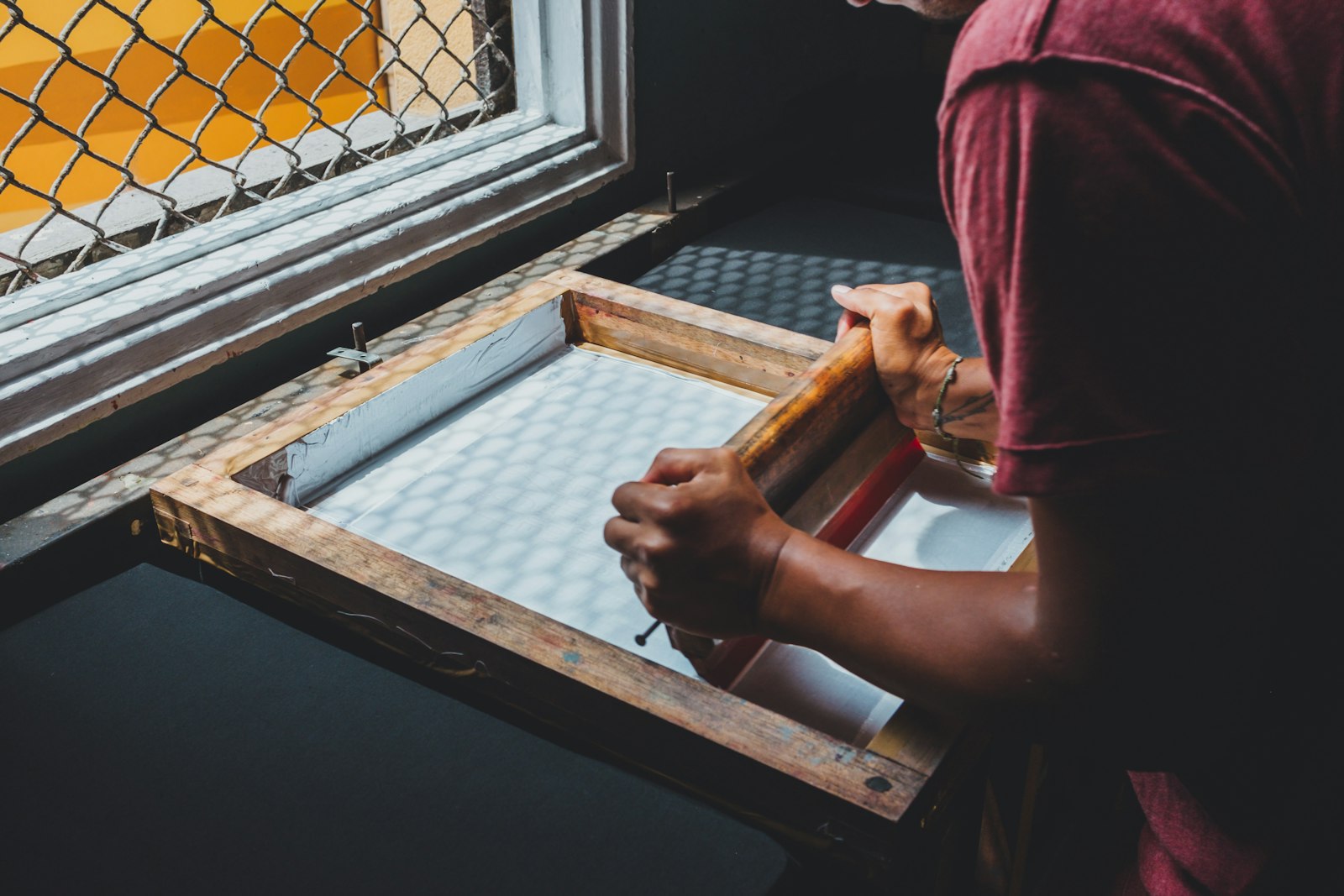
DTF and DTG are the mirror image: no screens, no setup fee, no minimum, and a per-piece price that sits slightly higher but stays almost flat whether you order one shirt or two hundred. Full colour costs the same as one colour. We have a longer comparison in DTF versus screen printing if you want the mechanics.
The second thing volume changes is risk. At 20 shirts, a wrong size guess costs you a few shirts and an apology. At 500, the same guess produces eighty garments nobody can wear, and no discount you negotiated makes that back. Past roughly a hundred pieces, the money is won and lost in planning, not in haggling.
50 pieces: the crossover band
Fifty is where most GTA orders actually land — a department, a tournament team, a volunteer crew, a small conference. It is also the point where the method flips. A one-colour screen print on a standard cotton tee runs roughly $12 to $18 each at 50 pieces in Canadian dollars, depending on the blank you pick and how many print locations you want. Full-colour DTF sits a little higher per piece at this quantity, but it carries no setup at all, so a six-colour illustration costs the same to run as a wordmark.
Which method wins: screen printing, if the art is one to three flat colours. DTF, if the art is photographic, has gradients, or every shirt needs a different name on the back. There is no penalty for asking us to price it both ways — we usually do that anyway.
Timeline: the standard 1–2 weeks in production once you have approved the mockup and paid, then 1 to 2 days in transit from Ottawa to Toronto and the rest of the GTA. The clock does not start when you email us; it starts at approval.
What we need from you: a size breakdown with real numbers, artwork we can actually print, and the date it has to be in hands. That is it.
What goes wrong at 50: people split the order evenly — ten of each size — because it feels tidy. It is almost never right, and it is the reason leftover boxes exist. The other classic is changing the shirt colour after approval, which at this quantity can mean re-sourcing the blank. For a full cost breakdown across methods, read what custom t-shirts cost in Canada.
100 pieces: where the per-shirt price gets interesting
"What is the price for 100 custom t-shirts?" is the single most common bulk question we get, and the honest answer is a shape rather than a number. Doubling from 50 to 100 halves the share of setup each shirt carries, so a simple one-colour screen print on a standard cotton tee starts moving toward the under $10 per piece range that holds through the hundreds. A heavier ringspun blank, a second print location or a third ink colour all push it back up, which is exactly why nobody can quote this off a title alone.
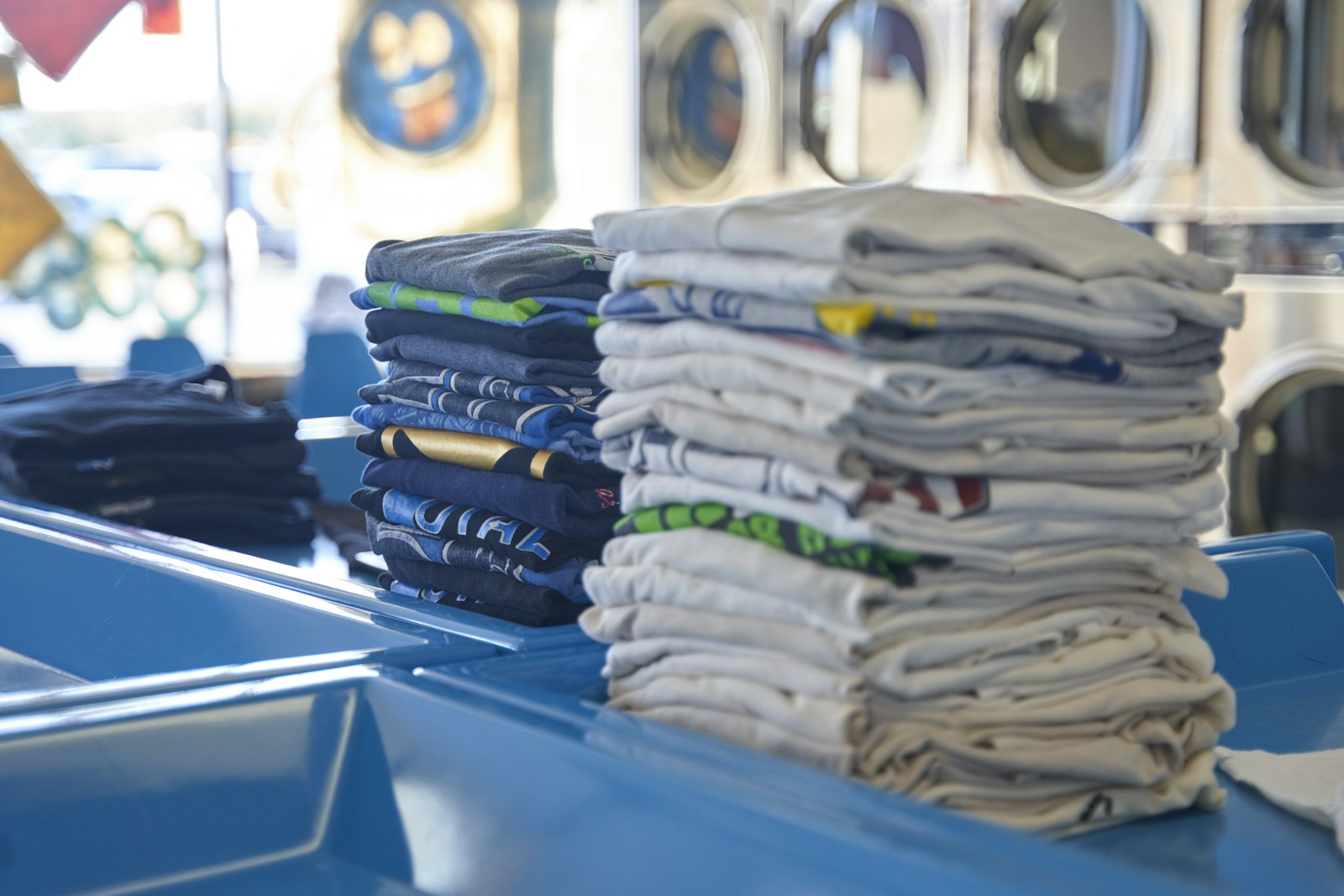
Which method wins: screen printing, comfortably, for anything with a limited colour count. This is the band where the extra screen for a back print or a second colour genuinely earns its keep — the setup is spread across a hundred shirts instead of ten, so the design can be more ambitious than it could at 20 pieces without wrecking the per-shirt number.
What goes wrong at 100: two things, reliably. The first is assuming a mixed order prices like a single one — 60 tees plus 40 hoodies is two runs on two different garments, not one order of a hundred, and the hoodie price is driven by the blank rather than the ink. The second is approval by committee. Six people with opinions on a logo will cost you more calendar days than the press ever will. Nominate one decision-maker before you start. If your project is a Toronto job specifically, our guide to screen printing for Toronto orders covers the local logistics in more depth.
You can sanity-check all of this yourself before you talk to anybody. Drop your logo onto a real garment in the free design studio, enter 100 across your sizes, and watch the price settle. No account, no deposit.
250 pieces: it stops being an order and becomes a project
At 250, the printing is the easy part. What changes is sourcing. Two hundred and fifty of one blank, in one colour, across a full size run has to physically exist in a warehouse on the day we order it. Popular colours in mid sizes usually do. An unusual heather in 3XL sometimes does not, and finding that out late is the most common cause of a slipped date at this volume. Give us the quantity early and we confirm stock before anyone commits.
Which method wins: screen printing, and by this point the remaining savings come from the design rather than the negotiation. Dropping from four ink colours to two saves real money at 250 pieces. Dropping from two print locations to one saves more. If a quote drops sharply without anything about the job changing, ask which blank it is priced on — the garment is usually where the difference went.
What we need from you: the size breakdown by group, not just in total. If 250 shirts are going to four different sites, we want to know that at quote time, not at boxing time — it changes how the run is sorted and how it ships.
What goes wrong at 250: late additions. Once blanks are ordered against your count, "can we add twelve more mediums" is a second purchase order, a second print setup and possibly a second delivery. Set an internal cut-off a few days before you send us the numbers, and treat it as real. Event and conference orders live or die on this — there is more on that in our event shirt guide and in staff uniforms if the shirts are going to be worn on shift. The backwards timeline from the event date is worked through in custom event shirts in Toronto.
500 and up: the deadline becomes the constraint
Past 500 pieces, price per shirt has mostly finished moving. A simple design on a standard blank is already in the under-$10 territory, and squeezing it further usually means accepting a garment your people will not wear. The variable that actually matters now is time.
Standard turnaround on clothing is 1–2 weeks after approval and payment, and that holds for a great many jobs. A five-hundred-piece run with multiple sizes, multiple garment styles or split destinations gets scheduled into the shop calendar rather than slotted in, so the honest move is to confirm your date when you book instead of assuming it. Rush is available on most apparel jobs, but rush at this volume is a conversation, not a checkbox — call 613-666-9292 and we will tell you plainly whether your date works.
What we need from you: everything frozen earlier than feels comfortable. Final artwork, final size counts, final garment colour, final addresses. At 500 pieces a change after approval is not an edit, it is a reprint.
What goes wrong at 500: the size curve gets applied to a headcount rather than to people. A company with 500 staff on a list is not 500 known bodies, and ordering as though it is produces the single biggest pile of unwearable stock we see. The second failure is delivery: one address receiving twenty boxes nobody has room to store. Both are solvable, and both have to be solved before printing, not after.
If the design is untested — a new brand mark, a new garment, a first run for a client — ask whether it makes sense to run a small batch first and the balance after. It costs a little more per piece across the two runs and it has saved more than one large order. Our bulk printing guide for Ottawa orders walks through the same bands from the pickup side, and for a run of a thousand, what printing 1,000 custom t-shirts involves covers cost, scheduling and delivery at that scale.
The size curve: the mistake almost every first-time buyer makes
Here is the one thing worth more than any discount you will negotiate: do not order by gut. An even split across sizes is not a size curve, it is a refusal to collect data, and it reliably produces a stack of smalls and a shortage of extra-larges. Every group we have ever printed for has a shape, and the shape is different for a downtown Mississauga office than it is for a construction crew, a high school, a running club or a union local.
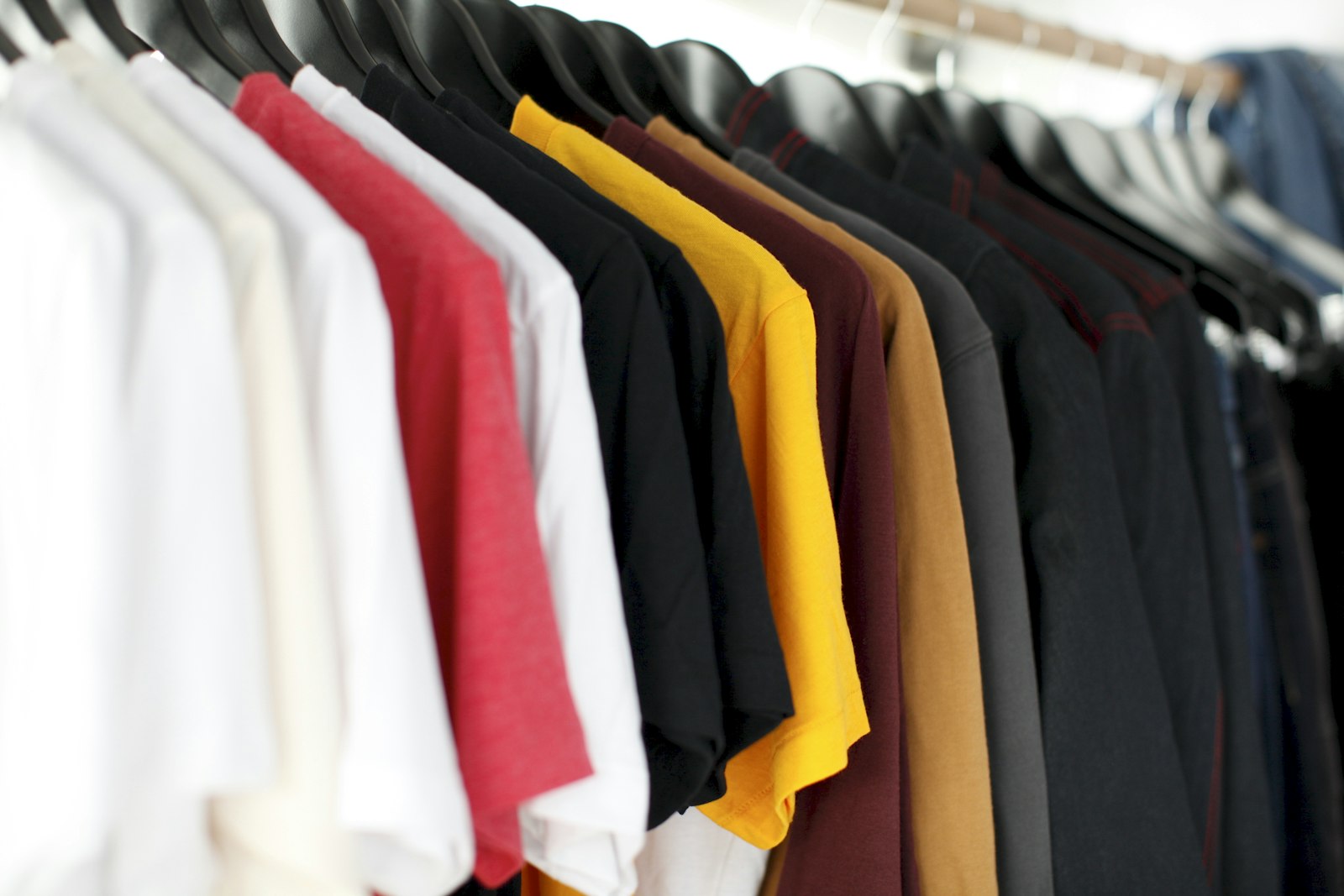
The fix is unglamorous and takes about ten minutes: send a form and collect actual sizes from actual people. A shared sheet works. So does a single message with a deadline attached. Whatever you use, get names against sizes, because that list is also what you will use to hand the shirts out, and it becomes the baseline for your next order. Our walkthrough on organising a group apparel order is the single highest-leverage read on this page, and the size breakdown for 100, 250, 500 and 1,000 shirts gives a starting count for every size when you cannot collect them all.
A few things people forget when they build the list:
- Add a buffer in the middle, not across the board. Spare shirts get used — new hires, a spill, someone who guessed wrong. Buy those spares in the sizes most of your group already wears.
- Ask about extended sizes before you quote. Sizes above 2XL usually carry a small upcharge from the blank supplier. It is not a surprise if it is in the quote, and it is an unpleasant one if it is not.
- Decide unisex versus fitted cuts up front. Modern unisex blanks run slimmer than the boxy tees people remember. Offering both cuts doubles the size list but prevents the "can I swap mine" conversation entirely.
- Count the people who are not on the staff list. Volunteers, family, the client, the photographer. They always want one.
We cannot guess this for you, and any shop that says it can is guessing. What we can do is tell you what a curve like yours usually looks like once you send us the group, and flag anything in your list that looks off before it prints.
Split shipping, staged deliveries and getting boxes to the right office
We are an Ottawa shop. Everything is printed in-house here in Ontario and then shipped to you — there is no walk-in pickup counter in the GTA, and we would rather say that plainly than let you find out at the end. What you get in exchange is worth the day or two in transit: one building where the art, the press and the person answering the phone are all in the same place, no cross-border customs holds or surprise duties because nothing leaves the country, and 1 to 2 days of transit once the boxes leave.
Split shipping is normal at volume and should be arranged at quote time. If 250 shirts are going to a head office in Toronto, a branch in Mississauga and a site in Brampton, tell us the split when you send the size breakdown. The run then gets sorted and boxed per destination with the contents labelled, so nobody at the receiving end is opening cartons to find out what is in them. Each address is its own shipment, so it belongs in the quote rather than being discovered later.
Staged deliveries work the same way. Plenty of bulk orders do not need all 500 shirts on day one — a launch takes 150 and the rest gets handed out over a season. Printing the whole run at once keeps the volume price and the colour match identical across every shirt, while shipping in waves keeps them off your floor. Say so up front and it gets planned rather than improvised. There is more on the logistics in shipping custom apparel across Canada.
One note on geography, because it matters for planning: free local pickup and delivery are an Ottawa–Gatineau thing. For the GTA, treat production and transit as two separate numbers and add them together. A three-day print job landing in Scarborough on Friday needs to be approved on Monday, not Wednesday. The same arithmetic holds past the GTA line, and custom t-shirt printing in Hamilton walks through it for a plant floor or a campus club there.
Artwork at volume, and the human who checks it
A bad file at 12 pieces is an annoyance. A bad file at 500 is a five-hundred-shirt mistake, which is why the artwork step is the part of a bulk order we are strictest about — and the part we do the most work on for you.
Every order is reviewed by a human designer before it goes to press. A real person on our team opens your file and checks resolution at the actual printed size, checks the colours against the garment you chose, and checks that the sizing and placement are right for the shirt rather than for the screen it was designed on. If something is wrong, they either fix it or tell you exactly what is wrong and why. It is not an automated preflight that spits out a warning code and moves on.
That is also why you do not need to arrive with a print-ready file. Send a phone screenshot, a PNG pulled off your website, a PDF from whoever built your brand, or an image you generated with AI. We clean it up or redraw it properly as vector art, and you see the result on a free digital mockup of the actual product before you pay anything. Nothing prints until you approve it. If you want to see the placement before you even send the file, you can drop your logo onto a real shirt in the studio and check the size against the print area yourself. If you want to get ahead of it, preparing logo files for printing covers what makes a file easy.
One volume-specific point: colour count is a price lever at every band. Each ink colour in a screen print is another screen, another setup and another pass. A design that reads well in two colours will cost less at 50, less at 250 and less again at 500, and it usually looks better on a shirt than the four-colour version did on a monitor. Ask the designer reviewing your job whether the art can lose a colour without losing anything — the answer is often yes.
Reorder pricing, and how to make the second run easy
The cheapest bulk order you will ever place is your second identical one. Nothing about a reorder needs re-deciding: the artwork is on file and already approved, the separations and setup have been worked out once, the blank and colour are known, and the size curve is no longer a guess — it is data from what people actually took last time.
Change the design and you reset most of that. A new logo means new setup, a new mockup and a new approval, which is fine, but it is a new job rather than a repeat. If you know you will be ordering again, a few habits keep the second run simple:
- Write down the blank. Brand, style number, colour name. "The black one from last time" is not a specification, and blanks get discontinued.
- Keep the print size and placement noted so run two matches run one on the same rack.
- Reorder before you run out. Reorder pricing is best at the same volume band, and rushing a top-up in a hurry costs more than ordering fifty spares did.
- Track what sizes went first. That is your real curve for next year.
For company apparel that repeats on a cycle — onboarding boxes, seasonal crews, annual events — our guide to reordering company uniforms covers how to set the whole thing up so it takes one email. If the repeat items are polos, caps or jackets rather than tees, embroidery behaves the same way: the digitizing is done once, and every run after that is just stitching.
How to get a real bulk quote in ten minutes
There are two paths, and neither requires a phone call unless you want one.
Do it yourself. You can build and price the whole run on screen without an account and without a deposit. Upload your logo, place it on a real garment, add text in print-quality fonts, pick your garment colours, enter your sizes and quantities, and watch the price update as you go. You can order straight from the studio when you are happy. For HR teams and event organisers who need a number for a budget line before anyone approves anything, this is the fastest honest answer you will get — and the same human designer reviews the file afterwards, so designing it yourself does not mean you are on your own.
Or send it to us. The quote form takes a minute, or email order@yayaprints.ca and call 613-666-9292. Include four things and you will get a real quote rather than a range: quantity with a size breakdown, the artwork or a description of it, where it needs to go, and the date. We work in English and French.
Either way, the sequence is the same. You get a free digital mockup on the actual product, a designer checks the file, you approve it, you pay, and then the production clock starts — the standard 1–2 weeks plus 1 to 2 days of transit to the GTA. If you are still deciding between tees, hoodies and polos for the same logo, the t-shirt printing page and the studio itself will show you all three on screen faster than we can describe them.
Frequently asked questions
How much does it cost to print 100 custom t-shirts in the GTA?
Treat any single number with suspicion, because the blank, the ink colour count and the number of print locations move it more than the quantity does. As a realistic anchor: a one-colour screen print on a standard cotton tee runs roughly $12 to $18 each at 50 pieces, and starts moving under $10 each once you are ordering in the hundreds. Full-colour DTF sits a bit higher per piece but has no setup fee at all. Every quote is free and includes a mockup, and you can price a 100-piece run yourself at yayaprints.ca/mockup-creator in a couple of minutes.
What is the minimum order for bulk t-shirt printing?
There is no minimum on DTF or DTG — we will print a single shirt. Screen printing starts around 6 pieces because screens have to be burned and the press set up regardless of how many shirts you run, and it becomes the best value past roughly 24 to 50 pieces. If you are ordering in the hundreds, screen printing is almost always the method that wins on price.
How long does a bulk order take to reach Toronto or the GTA?
Standard turnaround on clothing is 1–2 weeks, counted from the moment you approve the free mockup and pay, then 1 to 2 days in transit from our Ottawa shop. The clock starts at approval, not at your first email. Rush is available on most apparel jobs, but a very large run gets scheduled into the shop calendar, so confirm your date when you book rather than assuming it. Call 613-666-9292 and we will tell you honestly whether a date is realistic.
How do I work out the size breakdown for a bulk order?
Collect real sizes from real people rather than splitting the order evenly across sizes — the even split is the most expensive habit in bulk apparel. Send a form with a deadline, get names against sizes, and buy your spare shirts in the middle sizes your group already wears rather than spreading them across the whole run. Ask about the upcharge on sizes above 2XL so it is in the quote, and decide unisex versus fitted cuts before you collect, not after.
Can you ship one bulk order to several different GTA offices?
Yes, and it works best when you tell us at quote time rather than after the shirts are printed. Send the size breakdown split by destination and the run gets sorted and boxed per site with the contents labelled. Each address is its own shipment, so it belongs in the quote. Staged deliveries work the same way: we print the whole run at once so the colour match and the volume price stay identical, then ship it in waves.
Does a real person check my artwork before hundreds of shirts get printed?
Yes. Every order is reviewed by a human designer before it goes to press. A person on our team checks the resolution at the actual printed size, the colours against the garment you chose, and the sizing and placement — then either fixes the file or tells you exactly what is wrong with it. It is not an automated preflight. Send a phone screenshot, a website PNG, a PDF or an AI-generated image and we will clean it up or redraw it as vector art, and you see the result on a free mockup before you pay.
Can I design and price a bulk order myself online?
That is what yayaprints.ca/mockup-creator is for. It is free, needs no account and no deposit. Upload a logo, place it on a real garment, add text in print-quality fonts, pick colours, enter your sizes and quantities, and the price updates as you go — then order online. It is the quickest way to get a defensible number for a budget line, and a human designer still reviews the file before anything prints.
Is a reorder cheaper than the first bulk run?
Usually, as long as nothing changes. On a repeat the artwork is already approved, the setup has been worked out once, and the size curve is real data instead of a guess. Change the design and it becomes a new job with new setup and a new mockup. Note the blank brand, style number and colour name from your first order, keep the print size and placement on record, and reorder before you run out — a rushed top-up costs more than ordering spares did.
Design it yourself. A human designer still checks every order.
Our free studio gives you the price and the mockup in the browser. What it doesn't do is print your file blindly — every order is reviewed by a real designer before it reaches the press.
- Step 1You design it — free
Upload your logo, drop it on a real garment, set the size and placement, pick colours and quantities. No account, no deposit, no waiting on a reply.
- Step 2A human designer checks it
Before anything prints, one of our designers opens your file and checks resolution, colours, sizing and placement. If it won't print well, we fix it or tell you exactly what's wrong — a person, not an automated preflight.
- Step 3You approve, then we print
You get the corrected mockup back on the actual product. Nothing goes to press until you say yes — then it's ready in 1–2 weeks, or in 1–3 business days with a rush.
Price your bulk run before you ask anyone for approval
Upload your logo, drop it on a real garment, enter your sizes and quantities, and watch the per-piece price settle — free, no account, no deposit. Printed in-house in Ottawa and shipped across the GTA in 1–2 days once it leaves the shop.
Every order is reviewed by a human designer before it goes to press. A person checks artwork resolution, colour, sizing and placement, and either fixes the file or tells the customer what is wrong — it is not an automated preflight.